
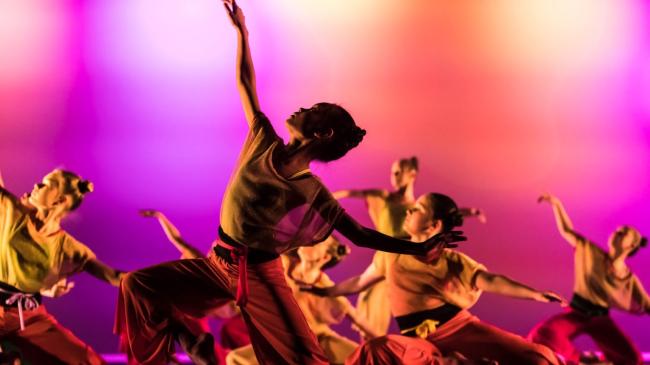
Hello! Thank you for taking the time to read my second Blog Post. For my semester 2 project, I have decided to research into the inquiry question “How does storytelling through movement and performance create a deeper impact than spoken language?” In this blog post, I will be exploring three different steps of research, that link to my inquiry question. These separate understandings can bring me closer to the question and becoming more confident in the answer.
Step 1: Understand How Movement Communicates Emotion and Meaning
The first stage of my research will focus on how movement can express emotion and meaning without the use of spoken language. This includes investigating body language, facial expressions, and various forms of dance or performance that rely on physical storytelling. I will also be exploring how music will affect movement, and how that plays into the physical expression. By learning how performers utilize their bodies to portray ideas, emotions, and tales, I can lay a solid foundation for my research. This stage will help me discover the techniques that make movement effective and how it may sometimes communicate more generally than words.

Step 2: Comparing Audience Impact Between Movement and Spoken Language
The second phase of my research will compare how audiences react to storytelling through movement and spoken words. I will investigate how each strategy influences emotions, memory, and overall involvement. This could include examining psychological viewpoints or audience reactions to performances such as speeches, plays, or dance works. This applies when it is a piece that comes from the heart, which will assumingly have a bigger impact on the audience. By comparing these responses, I may begin to assess if movement has a deeper or longer-lasting influence with the audience, then spoken words.

Step 3: Analyzing Real Performance Examples
The final phase in my research will be to analyze real-life performance examples that use dances that portray storytelling and compare them to performances that rely on spoken language. This could include modern dance performances, physical theatre, or sequences from plays and films. By breaking down how each performance communicates its message and impacts the audience, I can put my study into practice. This stage will help me reach a well-supported conclusion regarding how and why storytelling through movement may have a greater impact than spoken language.

Implications on Myself and Community:
This inquiry issue has significant consequences for both me and my community since it investigates how individuals connect, interact, and express meaning beyond words. As a dancer, learning how storytelling using movement has an impact will help me improve as a performer and become more deliberate about how I portray emotions and ideas on stage. It can also help me connect with an audience and give my performances greater meaning. For my community, particularly in dance and performance settings, this study will allow people to express themselves more confidently and can help individuals allow them to understand what their expression means. It can encourage people to value movement as a powerful storytelling tool and offer more inclusive ways for people to convey their experiences and feelings, even if spoken language is not their strong suit.

Sources
https://www.frontiersin.org/journals/psychology/articles/10.3389/fpsyg.2020.579518/full
https://peakperformance101.com/services/storytelling-and-spoken-word/