
Hi everyone, and welcome back to my second blog post! For this term’s inquiry project, I plan on researching whether food is considered healthy based on science or influenced by trends and social media. To better understand whether food is considered “healthy” based on these factors, I plan to conduct my research in three stages.
- Investigate and Understand Scientific Definitions of Healthy Eating: What does scientific research say about healthy eating?
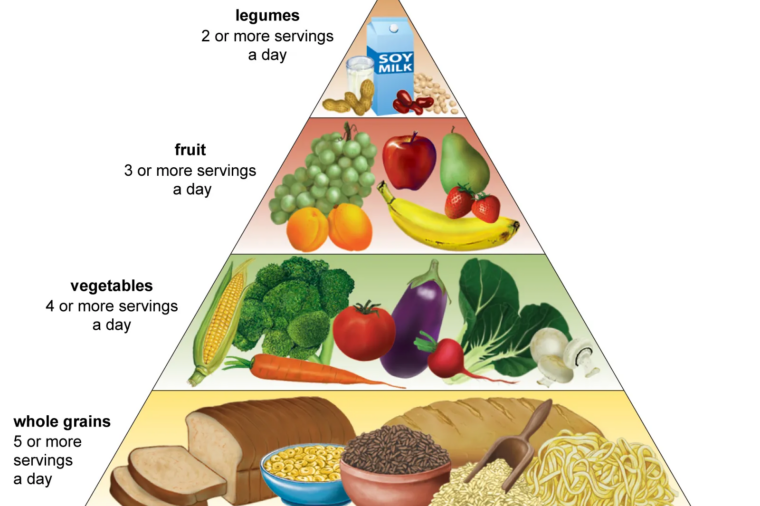
For my first round of research, I will be examining various credible sources, such as the Canadian nutritional guidelines or other studies, to understand what experts define as “healthy eating”. This research will allow me to identify what the body needs and why. This includes examining macronutrients, micronutrients and how they contribute to our overall health. Other concepts, such as balanced diets, portion sizes, and other health outcomes like disease prevention, will deepen my understanding. Additionally, I hope to understand how studies are tested and validated, which will help me better evaluate whether this information is reliable. This step allows me to create a strong, evidence-based foundation for my inquiry. By clearly understanding what the term “healthy” means based on science, I will be able to compare claims on social media to valid, experimental evidence.
2. Analyzing Social Media and Diet Culture: How do social media trends influence our understanding of “healthy” food?
In my second round of research, I will be shifting my focus to the portrayal of healthy eating online, specifically on platforms such as TikTok and Instagram. I intend to analyzing popular diet trends such as keto diets, “clean eating”, low-carb diets, detoxes and other related content. This will help me to observe how influencers and brands label food as “healthy” or “unhealthy”, and identify whether these claims are supported by evidence or strictly personal opinions. I will also explore how algorithms and repeated exposure to specific content will also allow me to understand how it shapes an individual’s beliefs about food. For example, I will examine how certain foods are demonized or overly praised without scientific reasoning. Another focus will be on how trends impact teenagers and youth specifically, causing pressures to follow unrealistic diet cultures in order to achieve a certain body standard.
Such evidence will allow me to understand the extent to which social media influences our perception of health, and whether these influences are accurate, misleading or harmful.
3. Compare Scientific Evidence with Media Evidence: To what extent does social media align or contradict scientific evidence of healthy eating?
In my final round of research, I will be directly comparing the information gathered from various scientific sources with what is commonly promoted on social media. Through this, I will evaluate whether online claims align with scientific evidence or contradict it. This will allow me to identify specific examples where trends may oversimplify nutrition or spread misinformation. Additionally, I will analyze why these differences and gaps persist. For example, considering the role of marketing, sponsorships and influencer culture would allow me to understand what is labelled as “healthy”. Reflecting on how easily misinformation can spread in comparison to scientifically accurate information will also further my understanding of this gap. This step is essential in connecting and directly addressing my inquiry question. By comparing both perspectives, I will be able to determine whether our understanding of “healthy eating” is primarily based on science or influenced by trends on social media.
Implications On Society
This inquiry topic has important implications for my community and me, as it allows me to develop a more accurate and clear understanding of what it means to eat “healthy”. Instead of relying on social media, I will be able to make informed decisions based on scientific evidence. This is vital on a personal level as I have always been interested in health and fitness, and hope to ensure my habits support both my physical health and mental well-being sustainably. This research will also allow me to become more critical of the information I consume daily by learning how to distinguish between credible sources and misinformation. This will allow me to avoid being influenced by unrealistic expectations and trends. For my community, this topic is highly relevant as many youth struggle with their body image due to the content they are exposed to online. An unrealistic understanding of diet culture and the definition of health results in confusion, unhealthy habits and negative impacts on mental health. By exploring this issue, my research can help raise awareness about the importance of questioning what we see on social media in comparison to advice that is scientifically accurate. This encourages others to think critically when online and encourages them to rely on credible sources to develop a stronger approach to eating.
Overall, I believe this inquiry has the potential to strengthen my understanding while also encouraging informed perspectives within my community.


Sources:
- https://www.google.com/search?client=safari&rls=en&q=Blog+Post+2%3A+What+Truley+Defines+%22Healthy%22+Eating%3A+Science+or+Social+Media%3F&ie=UTF-8&oe=UTF-8
- https://www.nycfoodpolicy.org/healthy-eating-defined-and-deconstructed/
- https://sunbasket.com/blog/what-it-means-to-eat-a-healthy-diet/?srsltid=AfmBOoo4s0It38JExgA2ybF4Ho50nL-qrb8JuFvLfyqrMLS63nTOa_31
- https://pmc.ncbi.nlm.nih.gov/articles/PMC12847655/
- https://www.lih.lu/en/article/how-social-media-is-shaping-our-eating-habits/
- https://recsports.ufl.edu/nutrition-blog-the-truth-of-social-media-diets/