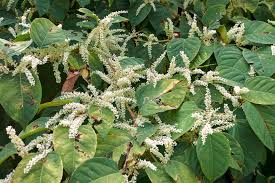
The action that I came up with was to create a tool that helps people identify and deal with invasive plants. With support from experts, I hope to code an AI that is able to identify local invasive plant species from photos and provide accurate/simple steps to removing it, based on the information that I researched and put together. So far, I have made a list of six common invasive species in Coquitlam.
Below is my list of common invasive species (6/10):
– English ivy
– Yellow Lamium
– Periwinkle
– Morning glory
– Japanese Knotweed
– Giant Hogweed
I’ve also reached out to David Sands, who is the Principal of Technology Implantation for SD43, for an expert perspective on my passion project idea. As I’ve successfully received an email response back today, I am currently in the process of setting up a teams meeting with him to discuss my ideas! I’ve also found a great document that includes the basic six common invasive species in Coquitlam. This will allow me to gain some initial information about these invasive specifies (hovering over “great document” will reveal the link to the document!).

Currently, I am struggling to find the correct information for the invasive specifies and their removal process. There are so many different sources which describe their specificality that I don’t know which ones to trust, so I have decided to cross check from a minimum of three different credible websites to based my information off of from now.
After my meeting with Mr. Sands, I want to create a simple timeline for my project, and fill in more details for my goal list of 10 common invasive species. This way, I have a rough plan for how my project will fold out.

When I am faced with these challenges, I think of the challenges Olivia Zhang (the CEO of Cancer Kids First) had to face in her initial years of starting a non-profit. In her first year, over 60 hospitals and potential partners declined meeting invitations with her non-profit. In addition to this, she had experienced both her grand father and elementary school teacher pass away from cancer. Nonetheless, she continued to work on her project. She practiced her public speaking, improved her pitch decks and intentionally looked for guidance from experts and teachers. This February, she wrote her first book titled “YOUth: The Young Person’s Guide to Starting a Nonprofit. I admire her willingness to look forward in life and take reject as feedback for improvement and hope to face my challenges the way she did.