As I delve into this week’s blog post, I hope to understand whether food is considered “healthy” based on scientific evidence or whether social media trends and popular culture play a larger role in shaping public opinion. With the rise of influencers, diet trends, and conflicting nutritional advice online, people struggle to determine what healthy eating truly means. By examining scientific research, nutritional guidelines, and expert recommendations, I can better understand how health professionals define healthy eating and why evidence-based nutrition is crucial. This topic allows me to question whether society’s idea of “healthy food” is truly accurate or if it is heavily influenced by marketing tactics and social media trends, rather than science itself.
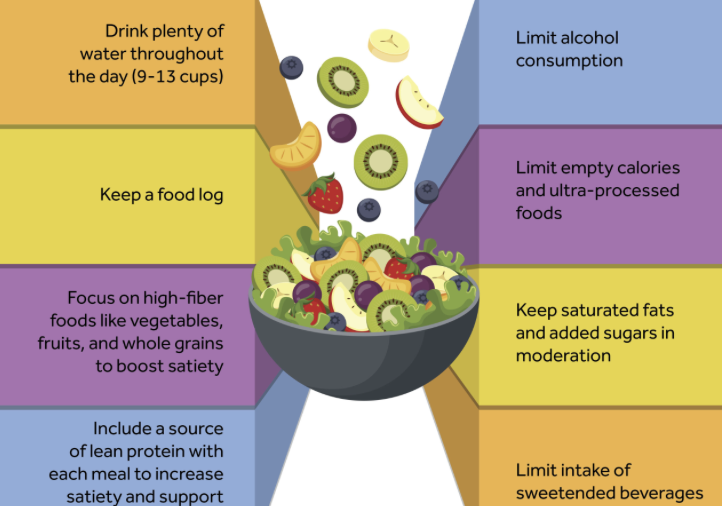
Scientific research consistently shows that healthy eating is essential for maintaining overall health and preventing chronic diseases such as diabetes, heart disease, and certain cancers (1). A healthy diet includes a balance of fruits, vegetables, whole grains, healthy fats, and proteins while limiting salt, sugars and highly processed foods (1). These recommendations are based on years of scientific studies examining how nutrients affect the body and long-term health outcomes (1).

Healthy eating is also closely connected to obtaining the correct balance of macronutrients and micronutrients (2). Macronutrients, including carbohydrates, proteins, and fats, provide the body with energy and support growth and bodily functions (2). Micronutrients such as vitamins and minerals help strengthen immunity, maintain bone health, and regulate body systems (2). Scientists have found that deficiencies or imbalances in these nutrients may negatively affect both physical and mental health (2).
The Harvard School of Public Health developed the Healthy Eating Plate as a visual guide for balanced nutrition (3). This model recommends filling half of one’s plate with fruits and vegetables, one quarter with whole grains, and one quarter with healthy protein sources (3). This demonstrates that healthy eating is not about restriction, but rather about balance and variety.

Similarly, Health Canada explains that healthy eating includes both nutritious food choices and healthy eating habits (4). Canada’s Food Guide encourages individuals to cook more often, eat meals with others, and be mindful when it comes to marketing tactics (4). These recommendations highlight how social environments and advertising can influence people’s perceptions of healthy eating (4).
Scientific studies also emphasize the importance of evaluating nutrition information carefully (5). Researchers use peer-reviewed studies, clinical trials, and long-term observational research to determine whether nutritional claims are reliable (5). This process helps experts separate evidence-based recommendations from misleading diet trends often promoted online (5). Understanding how research is tested and validated makes it easier to identify trustworthy health information.
Social media, however, often presents unrealistic or inaccurate ideas about healthy eating (6). Many influencers promote restrictive diets, detox products, or “miracle” foods without scientific evidence to support their claims (6). Healthy eating should focus on long-term sustainable habits rather than extreme dieting or quick fixes (6). This demonstrates how scientific recommendations may differ from popular trends online.
Additionally, the Centers for Disease Control and Prevention explains that healthy eating can improve energy levels, strengthen the immune system, and support mental well-being (7). The CDC also recommends practical habits such as eating more fruits and vegetables, reducing added sugars, and planning balanced meals (7). These guidelines are supported by extensive scientific evidence and public health research (7).
Recent discussions about nutrition also focus on how people eat rather than just what they eat (8). Scientists are increasingly studying how meal timing and eating patterns affect metabolism and overall health (8). Researchers suggest that consistent eating schedules and mindful eating habits may play a significant role in maintaining good health (8). This shows how nutritional science continues to evolve as new research emerges.
Overall, my first round of research helped me understand that scientific definitions of healthy eating are based on balance, nutrients, moderation, and long-term health outcomes. While social media trends may influence public opinion about food, scientific evidence provides a more reliable understanding of what the body truly needs. This research also highlights the importance of critically evaluating online health information rather than accepting every trend as scientifically accurate.
- https://www.who.int/news-room/fact-sheets/detail/healthy-diet
- https://pmc.ncbi.nlm.nih.gov/articles/PMC6650179/
- https://nutritionsource.hsph.harvard.edu/healthy-eating-plate/
- https://www.canada.ca/en/health-canada/services/food-nutrition/healthy-eating.html
- https://pmc.ncbi.nlm.nih.gov
- https://www.ama-assn.org/public-health/prevention-wellness/what-doctors-wish-patients-knew-about-healthy-eating
- https://www.cdc.gov/nutrition/features/healthy-eating-tips.html
- https://www.theguardian.com/international