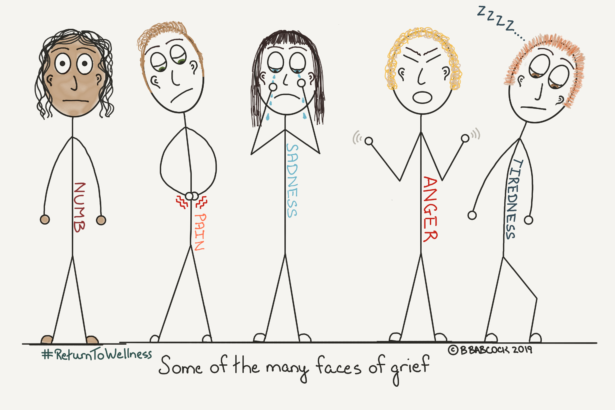

Hi everyone, welcome back to my blog. In this first round of research, I will be focusing on the mental and emotional effects of losing a parent during the teenage years. My inquiry question is: How does the loss of a parent affect teenagers? For this post, I wanted to learn more about how grief affects a teen’s mental health, emotions, and behaviour, and why this stage of life can make loss especially difficult.
One thing I found during my research is that teenagers can experience grief in many different ways. According to the American Psychological Association, grief can cause strong emotions like sadness, anger, confusion, guilt, anxiety, and loneliness. Teenagers may also struggle to express these feelings because they are still developing emotionally and mentally. This means that grief can sometimes appear through mood swings, isolation, or changes in behaviour instead of obvious sadness. [1]

I also learned that grief can have long-term effects on mental health if teens do not have enough support. The Kids Help Phone grief and loss resources explain that many teenagers dealing with loss feel overwhelmed, emotionally exhausted, or disconnected from others. Some teens may even try to hide their emotions to avoid attention or because they think they need to stay strong. [2] This stood out to me because people often expect teenagers to “move on” quickly, even though grief can last a long time and affect daily life in ways others may not notice.

Another thing I researched was how teenagers cope differently depending on the support they receive. A study from the University of Copenhagen Research Portal found that coping strategies and emotional support can make a big difference in how teens deal with parental loss. Teens who had healthier coping methods and support systems showed fewer severe grief symptoms over time. [3] This shows how important support from friends, family, counselling, or school can be after losing a parent.

I also found information from the Canadian Mental Health Association explaining that grief affects people differently and there is no “normal” timeline for healing. [4] Some people may start feeling better after a few months, while others continue struggling for years. This helped me realize that grief is very personal, especially for teenagers who are already dealing with stress, identity changes, and pressure from school or social life.

Overall, this first round of research helped me better understand the mental and emotional effects of losing a parent as a teenager. I learned that grief is more complicated than just feeling sad, and that it can affect emotions, behaviour, and mental health in many different ways. In my next blog post, I will be researching the social effects of parental loss and how it can impact relationships and communication with others.
Sources: