
In this post, I have decided to explore my sub question that mainly focuses and investigates on the quality of sleep and not just the quantity. I wanted to know how the quality of our sleep shapes how we perform in everyday tasks from completing assignments at school or even work. While much attention is places on how many hours we sleep, research shows that the depth and consistency is just as important if not more.
Many people believe that as long as they are getting 6-8 hours of sleep, they are sleeping well enough to perform at their best. The quality of our sleep, or more clearly, the depth of our sleep, plays a major role in determining how sharp and focused we are throughout the day (3). Even though you may be sleeping for 8 hours, waking up frequently throughout the night does not allow your brain to do the work it needs to do to catch yourself up for the following day. As we explored in the previous post, our brains rely heavily on sleep when it comes to regulating our emotions; however, they also rely on it to improve our memory, ability to process information, and help us learn in general (1). Without sleep, all of these basic functions can be compromised before the day has even begun.

for adolescents our age, poor sleep quality is overly underestimated when it comes to our academic performance. Research has shown that students who consistently experience low quality sleep often struggle with attention, memory retention, low quality sleep often struggle with attention, memory tension, retention, and problem-solving which is critical for success within academics (2). Students who often study the night before feel that they cannot remember information as easily. This is due to a lack of deep, slow wave sleep, which is needed for the brain to actively transfer a short-term memory into a long-term (1). If the process is interrupted, learning is not as easy as it should be. The quality of our sleep, matters a lot when it comes to our schooling.
the same factors apply to adult in the workplace. Poor sleep quality has been directly linked to a reduced concentration reaction time and likeliness of making mistakes on a job (4). Although a person with less sleep may seem present and engage, that is often the opposite as they’re operating significantly below what they should be. Studies shown that workers who have consistent poor sleep are often to experience burnout, lower job satisfaction, and reduced overtime(3). This is regardless of the time that has been in their bed, but the amount of Deep Sleep that occur occurs (3).

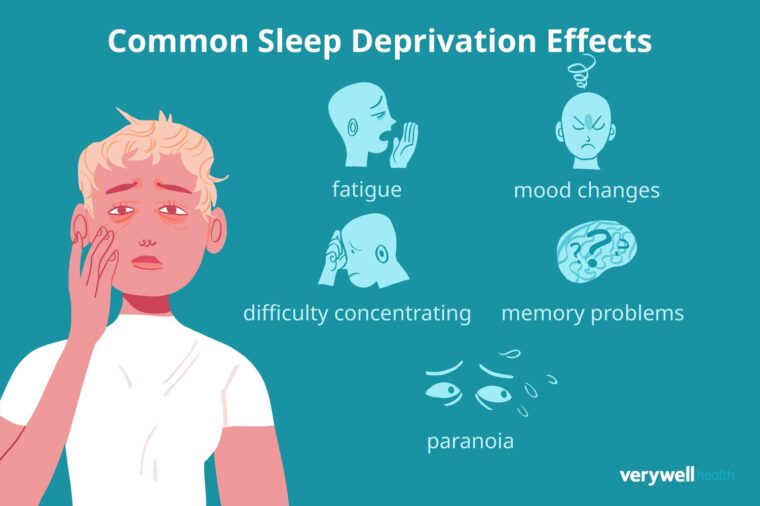
unlike sleep deprivation, which produces clear fatigue throughout the day, low sleep, quality can be very subtle as it has small effects that affect our days. A person may feel like they slept fine while still missing critical stages of rest that are needed for the brain to be prepared for the day (4). Common habits that damage sleep quality often include using phones or consuming large amount of caffeine close to bedtime (5). Inconsistent patterns that could cause low sleep quality could be weekends versus weekdays, sleeping in warm environment, and no noisy or bright areas (5). Each of these factors can contribute to reducing the depth and efficiency of sleep that is needed to occur for our performance to be at its highest potential.
However, improving sleep, quality does not require large changes to our lives, all that is needed are small and consistent habits, such as reducing screen time before bed maintaining a regular sleep schedule on weekends, and ensuring that our rooms are dark and are regulated temperature. All these factors can meaningly improve how deeply we rest and turn our daily performance into our best (5). According to the sleep foundation, prioritizing sleep quality over quantity leaves to more improvement in our focus mood and productivity, which helps us do better in school and work in general (5). The goal is to not just spend more time in our bed, but ensure that the time we are spending is actually in deep sleep.

overall performance is not only built through our dedication throughout the day, but it is also built around the amount of deep sleep we get at night. The quality of the rest determine how capable we are to achieve our best work such as retaining information and showing up at our full potential. If we continue to treat sleep as unimportant in our routine, we will continue to wonder how our efforts can improve. Taking sleep quality seriously is not a form of weakness, but it is an effective weight to improve.
- https://www.sleepfoundation.org/mental-health
- https://pmc.ncbi.nlm.nih.gov/articles/PMC6996482/
- https://hbr.org/2018/02/senior-executives-get-more-sleep-than-everyone-else
- https://www.cbsnews.com/news/sleep-deprivation-mental-health-effects/
- https://www.healthline.com/health/sleep-deprivation/effects-on-body