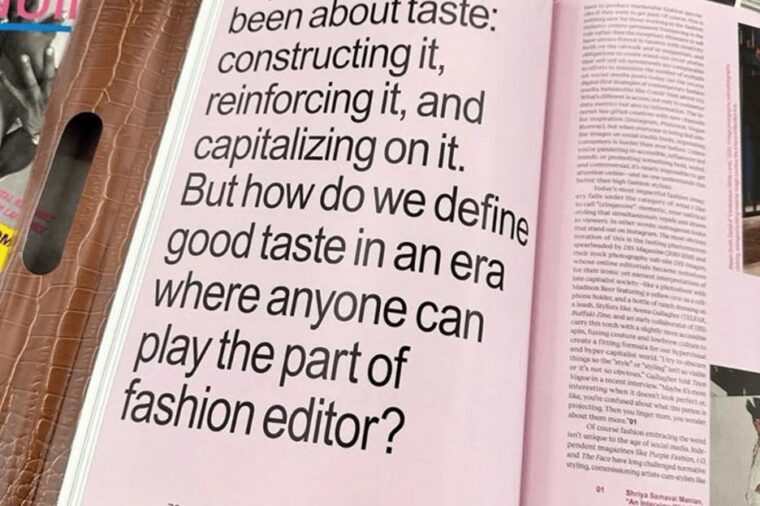

Does society influence fashion or is it the other way around? Hi my name is Lina and this is my 4th blog post on the subject and my second round of research. Today, my goal is to find out if the fashion in the nineties and the early 2000’s impacted or was impacted by society.More specifically I will be researching the body standards at the time and if fashion contributed to the issue or was merely affected by the change.

The events I will be researching are how the film and magazine industries affected beauty standards, how day to day clothes changed during this time and how we might be affected by these styles coming back into fashion.

Firstly, I will be researching how the rise in ultra thin celebrities affected 2000s fashion styles. With the as teenage ‘chick flicks’ gained popularity in the early 2000s, so did the propaganda of the ‘perfect body’ (1). Women in films such as Mean Girls or The Devil wears Prada were depicted in low rise jeans or skintight clothing to show off their perfect figure (2).

There was also rising popularity in makeover shows (2). Programs such as ‘what not to wear’ showcased people who didn’t meet the societal beauty standard and gave them a new ‘look’ (2). Beauty ‘icons’ gained popularity through these forms of media and created bad body image for the girls consuming it (3) which made millennial women have the lowest body confidence out of all the generations (3). Celebrities such as Kate Moss, Paris Hilton, Britney Spears and several Victoria’s Secret models became symbols of this body standard (3).

Popularity of magazines in the early 2000s also affected this change. Paparazzi photos were often taken of celebrities to be taken apart by these tabloids. (4) There were titles such as “Best and worst Beach Bodies of 2004” or “The Thinnest Celebs” (5).

The people who were truly profiting from this change in body standard was not the girls consuming this media but the executives behind it (7). It has been stated that if movie stars weren’t people, we aspire to look like then that could mean the end of the Hollywood industry as we know it (7). This gives executives motivation to alter looks of the people in their media and create unrealistic beauty standards (7). This media being the only thing portrayed affected women’s beauty standards and also had a part in changing fashion.

As these body standards started to change so did the clothing. Vanity sizing, introduced in the early 2000s was a way for corporations to make more money off of young girls’ insecurities (6). Size 0 was introduced in America to make buyers of these clothing items feel better about themselves (6). The double zero and even triple zero were introduced slightly after. (6)

This inflated the other sizes and made it so a size 14 in the 80s would be a size 8 today (6). The popularity of clothes such as low-rise leggings or baby tees highlight the change in body standard (1).

There were also fewer clothing options in plus sizes (1) and sizes such as size 6 were considered plus size (2). Although the change in styles can be attributed to the change in popularity of these sizes there can be malintent behind them. If companies sold clothes that resembled the ones that celebrities popular for their body wore, teen girls trying to emulate their appearance would be likely to purchase them (8). This drives popularity and sales for the company (8).

While it might seem innocent, fashion like this coming back into fashion could have serious effects on our generation. As seen in the past, the fashion in popularity directly relates to society and since the two are so closely related in the 2000s, the change might be sooner than we think. As our generation starts to romanticize this time period the social beauty standards might feel the switch.

For this round of research, I believe society impacted fashion since the changing beauty standards affected the clothes in popularity but there are different ways to view it. If these fashions hadn’t originally become popular, would ultra thin celebrities be pictured wearing; them changing views of girls around the world?

For my next round of researching, I will look at the fast fashion and micro trends present in society today and whether or not it’s rooted in consumerism.

From this I will be able to find my deciding point to answer my inquiry question: “Does society influence fashion or is it the other way around?”. The score is currently tied, one round resulting in society influencing fashion and the other reversed. I hope to see you in the next round to finally answer my question!
Sources :
- https://alextolhurst.medium.com/the-toxic-body-image-of-the-2000s-165c928b50c3
- https://www.glamour.com/story/if-you-survived-the-early-2000s-without-body-issues-congratulations
- https://chatelaine.com/sponsored/dove-y2ks-toxic-beauty-standards-then-and-now/
- https://fashionmagazine.com/sponsored-content/dove-y2k-was-not-okay-rebuilding-toxic-beauty-standards/
- https://nordicnews.net/15481/oped/toxic-skinny-culture-in-the-2000s-beauty-standards-still-rooted-deep/
- https://en.wikipedia.org/wiki/Vanity_sizing
- https://www.theguardian.com/commentisfree/2026/mar/12/hollywood-beauty-ideal-altered-gaunt-face-ozempic-glp-1-drugs
- https://sariilustra.medium.com/the-early-2000s-fashion-46d28bdbaaa7