
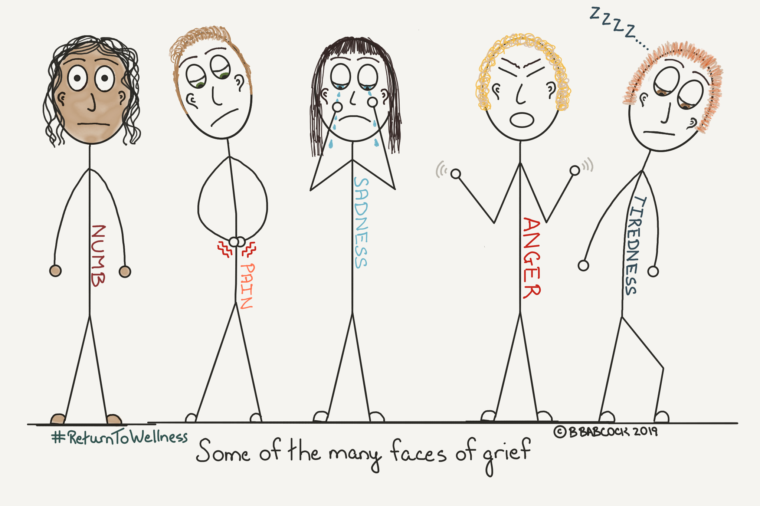
Welcome back to my blog! In this second round of research, I am exploring how grief affects identity through real-life experiences and social changes. While my first research round focused on psychological theory, this round focuses more on how grief is actually experienced in everyday life.
One of the main ways grief changes identity is through the loss of roles. Many people define themselves through relationships, such as being someone’s child. After losing a parent, that role changes, which can deeply affect how a person sees themselves. Some individuals feel like they have lost a part of who they are, especially if that relationship was a major influence in their life (1). Grief can also affect social relationships. People cope with loss in different ways, which can sometimes lead to feelings of isolation or disconnection. According to the American Psychological Association, there is no single way to grieve, and differences in coping can affect how people relate to others (2). This can impact identity because social interactions play an important role in shaping how we see ourselves.
In addition, grief often leads people to question their beliefs and values. After losing a parent, individuals may rethink their priorities, goals, and understanding of life. This process can be difficult, but it may also lead to personal growth. Research shows that grief can create opportunities for self-reflection and help individuals redefine their identity over time (3).Grief can also impact daily functioning, including concentration, decision-making, and emotional stability. These challenges can affect a person’s confidence and independence, which are both important parts of identity. For example, people may struggle to maintain routines or make decisions after a significant loss (4). Despite these challenges, grief can sometimes lead to long-term growth. While the loss itself remains painful, individuals may develop resilience, empathy, and a new sense of purpose. This shows that identity is not only changed by grief but can also evolve in meaningful ways.
Overall, this research shows that grief affects identity through changes in relationships, roles, social connections, and personal beliefs. These real-life experiences demonstrate how deeply grief can reshape a person’s sense of self.
Thank you for reading!

Sources
- https://www.empathy.com/grief/when-grief-makes-you-lose-sight-of-who-you-are
- https://www.apa.org/topics/families/grief
- https://www.myfarewelling.com/article/grief-and-identity-rediscovering-yourself-after-a-loss
- https://www.nia.nih.gov/health/grief-and-mourning/coping-grief-and-loss