
Hello everyone, and welcome to my last inquiry post of the year! This past semester, I began understanding whether food is considered healthy based on science or is generally influenced by trends across social media platforms. This inquiry post allows me to reflect on my research journey further;
a. What challenges did you overcome throughout this inquiry project? How did you go about overcoming these challenges?
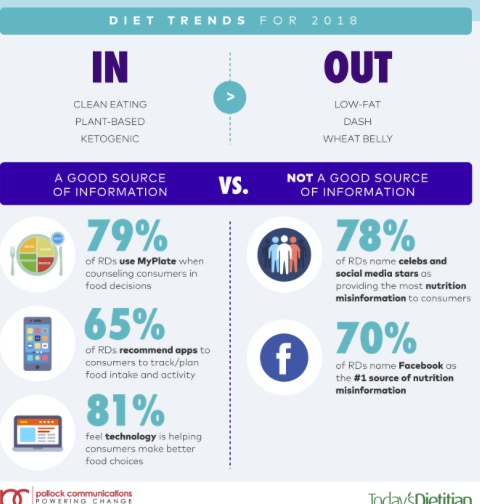
One recurring challenge I encountered during this inquiry project was finding reliable information to base my research on. As there is a significant amount of conflicting evidence about whether food is considered healthy, especially on social media, it was extremely vital to find credible sources. To do so, I compared information across sources and ensured all evidence was focused on scientific evidence (unless I was specifically researching information based on myths, trends, etc.). For example, certain sources promote diets or foods as “health-friendly”, while many others argue the opposite. This makes it challenging to identify what is trustworthy. To overcome this challenge, I used information from numerous scientific studies, health organization and expert opinions in order to identify patterns and research. This allowed me to further distinguish research patterns alongside information from trends and personal opinions. Throughout this process, I believe I strengthened my research skills while becoming more confident in evaluating information.

b. How did this inquiry change the way you think?
This inquiry led me to acknowledge the lack of reliable information across social media platforms that are utilized by millions of individuals. It also led me to acknowledge that the way I think about food, nutrition and information I encounter online may not be the most accurate. Prior to this project, I often assumed that foods are labelled as healthy or promoted online by those who have the “perfect body” or “ideal lifestyle”. However, my research proved that the concept of healthy eating is not determined by a single food or diet, but ones overall lifestyle and individual needs. I also became aware of how social media, advertising and food trends often influence people’s perceptions of health. This project taught me to think critically when it comes to information online instead of accepting everything at face value. I now understand the importance of analyzing scientific evidence and considering numerous perspectives prior to forming conclusions.

c. How did this investigation impact your future decisions?
This inquiry impacted my future decisions, especially those related to nutrition, health, and evaluating information. In the future, I plan on being more careful about trusting health claims made on social media or by influencers. Instead, I will focus on finding information from reliable sources in order to consider whether each claim is supported by evidence. It also encouraged me to focus on balance and moderation rather than following popular diets. Beyond nutrition, this inquiry has strengthened my ability to think and analyze information critically, allowing me to make more informed decisions in the future through each aspect of my life. This not only includes academics, but also health choices, career search and everyday decision making.
d. What impact will this investigation have on others locally and/or globally?
Such investigations have the potential to positively impact the way others look at social media and understand how trends may influence an individual’s understanding of healthy eating. Locally, students and community members may benefit from learning how to identify reliable sources to make informed decisions when it comes to living a balanced lifestyle. This is especially crucial as youth spend a significant amount of time on social media, where misinformation spreads rapidly. Globally, the findings of this inquiry highlight the importance of promoting evidence-based research and encouraging critical thinking. As misinformation continues to spread, helping individuals understand how to distinguish between facts and myths contributes to healthier choices and a better-informed society. Moreover, this investigation emphasizes the value of education, media analysis and scientific evidence when supporting public health.

Thank you so much for reading and following my research journey!