
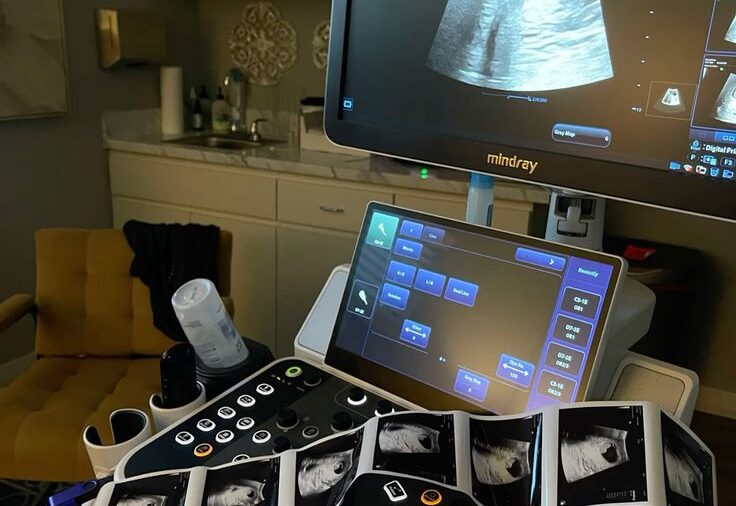

Inquiry Question: How has ultrasound technology changed the way medical conditions are diagnosed and treated, and how could future advancements improve patient care?
I am interested in this question because I have always wanted to pursue a career in the medical field. Since I was younger, I have been interested in healthcare and learning about how the human body works. One career that has caught my attention is becoming an ultrasound technician, also known as a diagnostic medical sonographer. This career interests me because it combines science, technology, and helping people. I like the idea of being able to use specialized equipment to help doctors understand what is happening inside a patient’s body and assist them in making important medical decisions. I also want to learn more about what ultrasound technicians do on a daily basis and how their work contributes to the healthcare system.
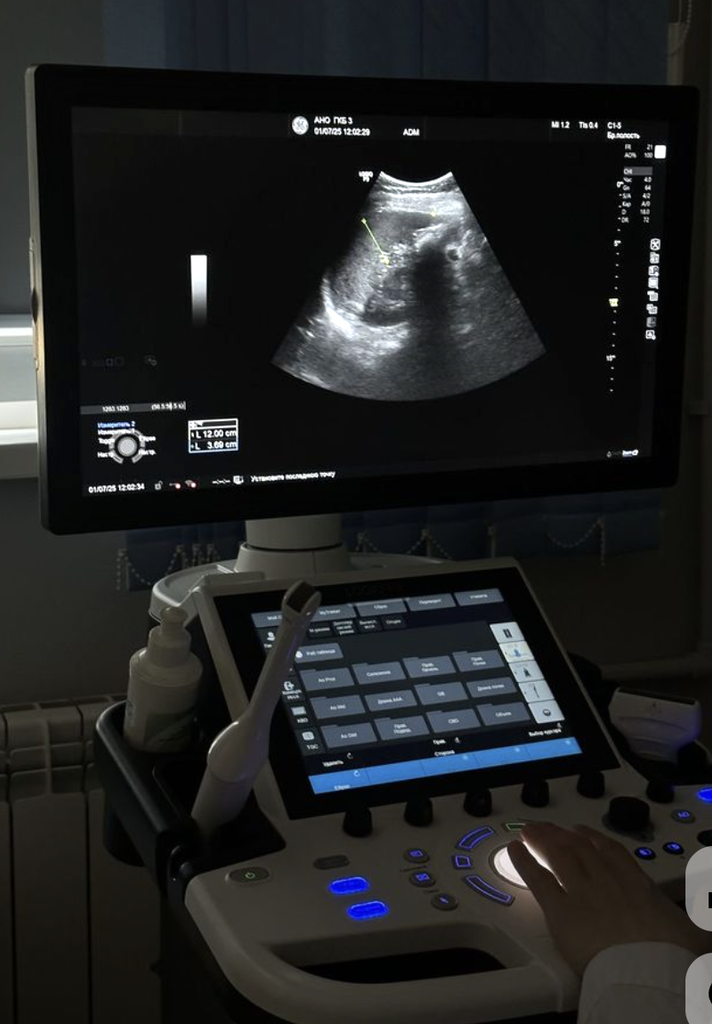
I chose this inquiry question because ultrasound technology is an important part of modern medicine, and I want to understand how it has developed over time. Ultrasound machines use high-frequency sound waves to create images of structures inside the body. These images can help healthcare professionals examine organs, monitor the development of a baby during pregnancy, and identify certain medical conditions. Before researching this topic, I knew that ultrasound was commonly used during pregnancy, but I did not know how many other purposes it had in healthcare. I want to explore how ultrasound can be used to examine different parts of the body, including the heart, abdomen, blood vessels, and other organs. I am also curious about how ultrasound can help doctors identify potential health problems without using ionizing radiation, which is used in some other medical imaging techniques.
Another reason I find this topic interesting is that medical technology continues to improve as scientists and healthcare professionals discover new ways to diagnose and treat illnesses. I want to investigate how ultrasound machines have changed from earlier, less detailed imaging systems to the more advanced machines used today. For example, modern ultrasound technology can produce clearer images and provide more information about blood flow and the movement of structures inside the body. I am curious about how artificial intelligence, improved imaging software, and portable ultrasound machines could change the way healthcare professionals work in the future. These advancements could potentially help doctors identify certain conditions earlier, make examinations more accessible, and provide better care for patients in different healthcare settings.
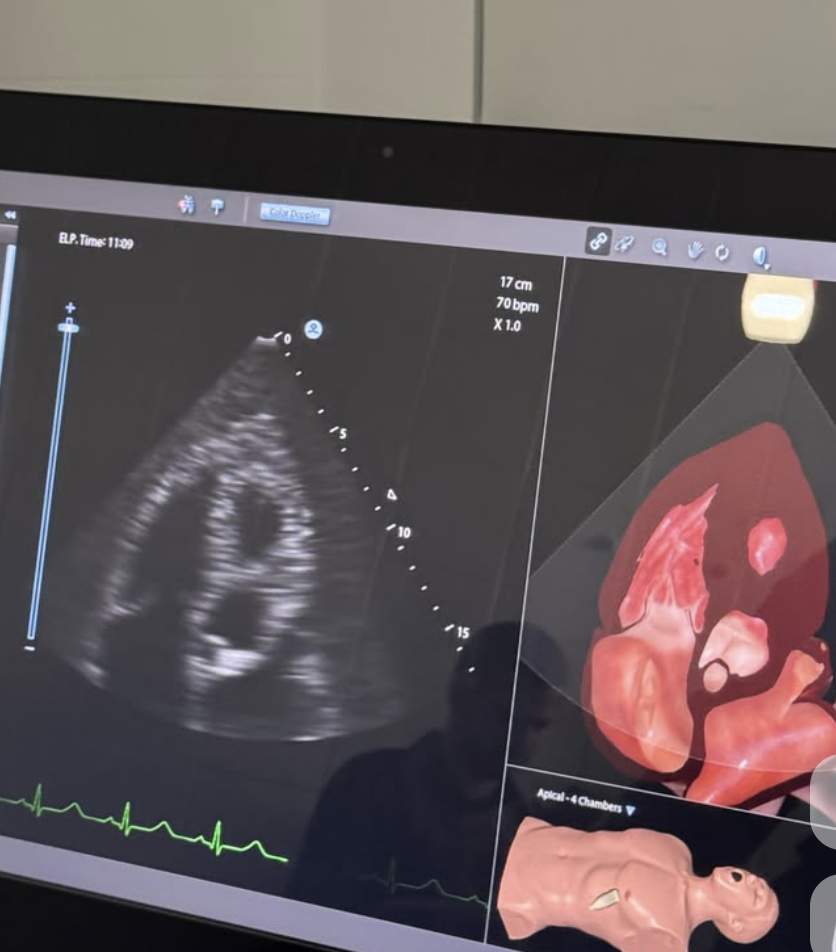
While ultrasound has many benefits, I also want to learn about its limitations. For example, ultrasound images can sometimes be difficult to interpret, and the quality of the images can depend on the equipment, the area being examined, and the experience of the person performing the examination. I want to understand why ultrasound is preferred for certain medical situations but may not be the best choice for others. Comparing ultrasound with other imaging methods, such as X-rays, CT scans, and MRI scans, could help me understand how doctors decide which technology is most appropriate for a patient. This would allow me to look beyond simply learning how an ultrasound machine works and consider the reasons behind medical decisions.
This inquiry is also important to me because it connects to my future career goals. I have considered different careers in healthcare, including sonography and cardiology technology, so researching ultrasound could help me decide whether this is a field I would like to pursue after high school. I want to learn about the education and training required to become an ultrasound technician, the skills needed for the job, and the responsibilities involved in working with patients. I am especially interested in understanding the balance between the technical side of the career, such as operating equipment and analyzing images, and the personal side, such as communicating with patients and helping them feel comfortable during medical examinations.
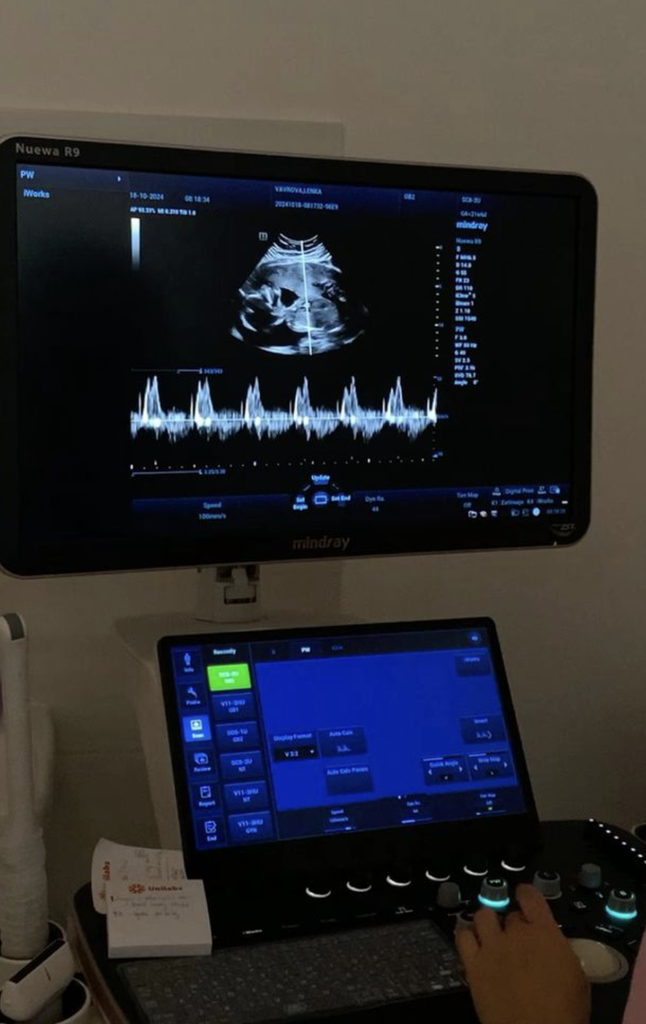
Thank you for reading my first post, I look forward to sharing my findings as I continue to explore this topic