
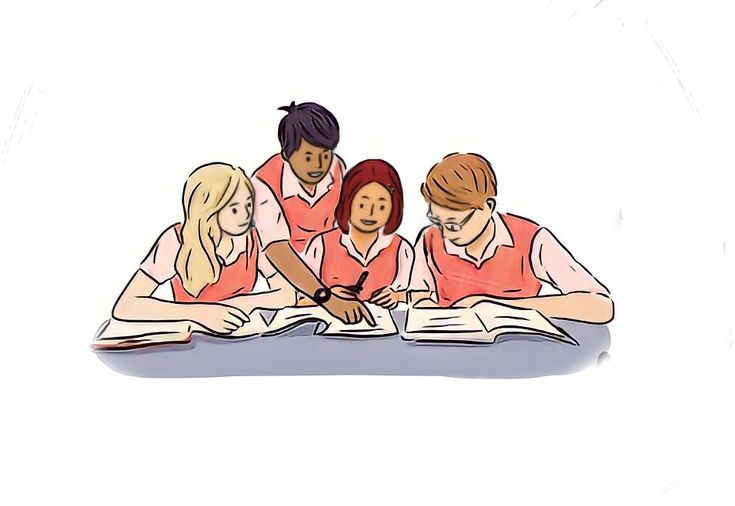
My initial inquiry question is: Can teenagers influence younger students to avoid drugs and other harmful behaviour?
My first round of research stage is : Understanding how teenagers influence younger students.
There are many ways in which teenagers can positively influence younger students. (1) Demonstrating visible refusal skills and showing confidence in denying unsafe actions helps younger peers understand that it’s okay to say no. Considering the younger demographic look up to teenagers because they have had more experience socially and academically, being a good role model is an important factor in guiding them down the right path. (2) Building strong, healthy relationships are vital for youth. It is good for them to have close allies they can rely on to give them advice and to give them a safe space to share. Not only with friends, but youth who have strong relationships with family, siblings and those within the school are more likely to share when they have concerns about mental health.
(3) Programs are a great space for peers to share concerns. As well, they teach young students about things they might not know concerning mental health and the potential risks of using substances. Teaching everyone helps them develop skills and pull them towards healthier choices. Many peers who are caught in pressures often do not have an environment where they feel calm and safe to share. A simple step of creating these programs can change many paths for them. Making sure to create soft environments
(4) Older students can encourage younger peers to seek help. Encouragement from those you look up to can help answer questions that you may be having. As well, older peers don’t need to take all matter into their hands. Helping create a community for themselves and the youth can open many doors and ears for everyone. Encouraging group building within the younger and older teens are important, though understanding when adults should be involved creates a safety net for the communities.
(5) Lastly, making it aware to younger peers that the social norms aren’t normal. Teaching them that smoking, drinking or bullying of any kind isn’t something they’re supposed to do or should feel pressured to. The reasons these are issues are because students believe it is something they should be doing. Sharing accurate information and what happens when others do these acts helps younger students reach clarity and see through the ideas put into the air. Reminding these young peers that there are many that confidently choose no and that there are peers who make healthy choices helps to smooth the misconceptions of substance use.
In conclusion, my research demonstrates there are many places where the two groups can work together, creating a community that is safe and understanding. Relationships, awareness and encouragement are all important in creating a safe circle of people who can keep each other on healthy paths.
Sources for my research stage 1 :
- https://www.mayoclinic.org/healthy-lifestyle/tween-and-teen-health/in-depth/teen-drug-abuse/art-20045921
- https://www.canada.ca/en/public-health/services/publications/science-research-data/young-people-canada-focus-mental-health.html
- https://www.cdc.gov/youth-behavior/index.html
- https://www.ottawapublichealth.ca/media/0jtlgit1/yco_implementation_guide_en_acessible.pdf
- https://www.dovercoalition.org/the-problems/social-norming.html
Thanks for reading my blog post #3 research!