

My inquiry question is: How much does a person’s past shape the life they have today? For my first research round, I wanted to understand how a person’s childhood, family, environment, and past experiences can influence their opportunities and decisions later in life.
There are 5 points I wanted to discuss in this round, which include: The impact of childhood experiences, how our environment affects who we become, social + economic circumstances affecting opportunities, positive experiences to make a difference, and maybe what we can do to help protect children from these difficult experiences.
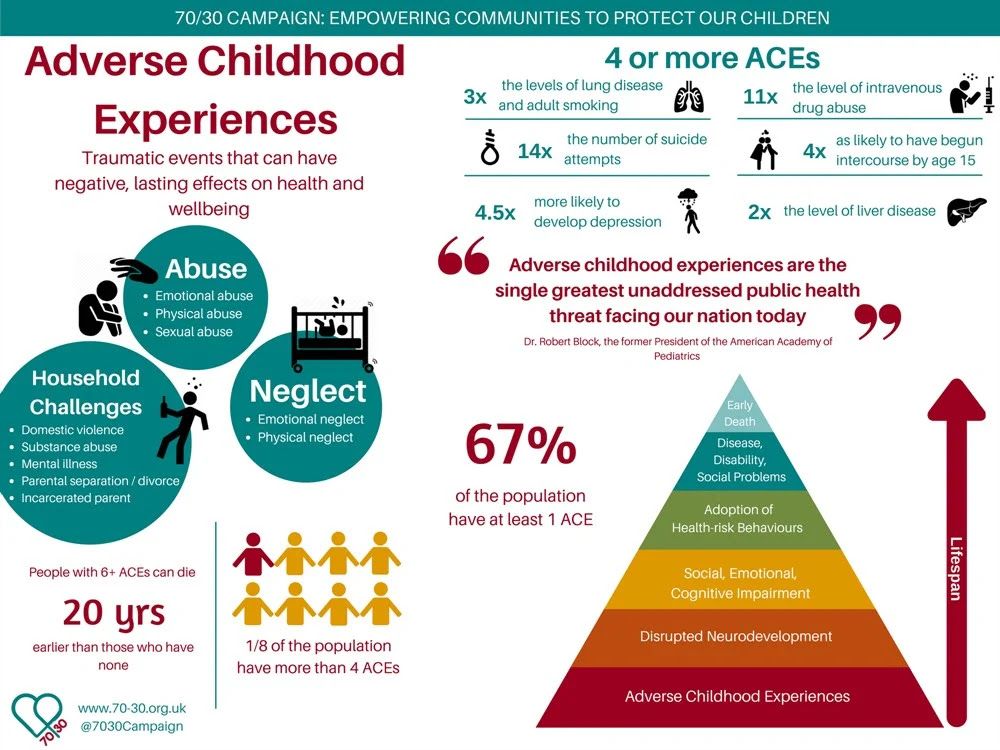
First, I first wanted to know about how childhood experiences can affect someone as they grow older. Adverse childhood experiences, (also known as ACEs), include difficult situations such as abuse, neglect, witnessing violence, or growing up in an unstable household. These experiences can have long term effects on a person’s physical and mental health, education, and future opportunities. Prolonged stress during childhood can affect brain development and areas related to attention, learning, and decision-making (1). It was intriguing to find out experiences from someone’s childhood can continue to affect them even when they become adults. For example, a child who grows up in an unstable household may face challenges with their education, relationships, or emotional well-being later in life. Not everyone starts life with the same advantages, and some people have to deal with difficulties that they never chose to experience in the first place.
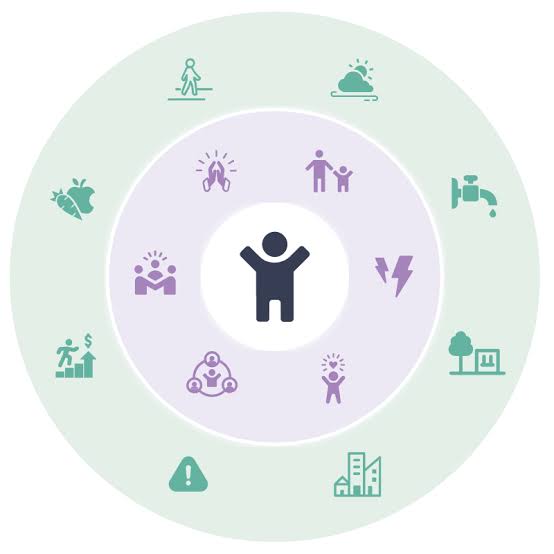
Secondly, I felt that it was important to understand how much a person’s surroundings can influence their development. According to Harvard University’s Center on the Developing Child, a child’s environment includes much more than just their home. It also includes their relationships, school, neighbourhood, and the places where they live, play, and learn. These conditions can influence how their brains develop, how they learn, and their overall health throughout life (2). Two people can grow up in completely different environments, which can give them very different opportunities. Someone who grows up with supportive parents, a stable home, and access to education may have an easier time pursuing their goals. Meanwhile, someone who grows up in an environment with financial difficulties, instability, or limited resources may have to overcome additional challenges.
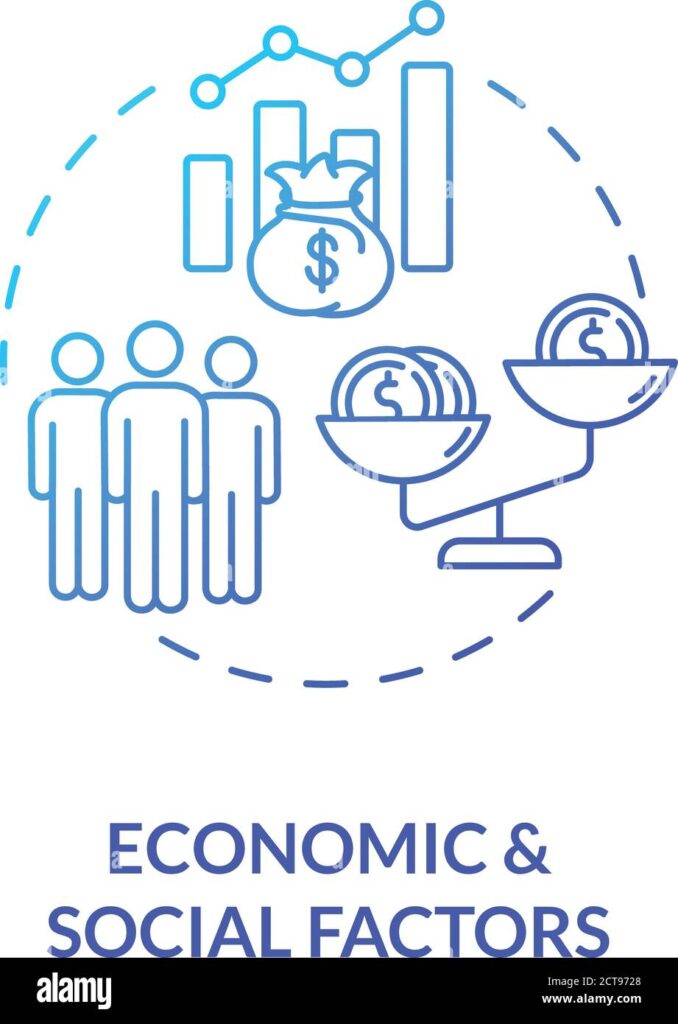
Third, I also wanted to look beyond childhood and family and understand how larger social and economic conditions affect people’s lives. Factors such as income, education, housing, employment, and social support can have a major influence on a person’s health and well-being. People who have fewer resources and less access to opportunities may face disadvantages that affect many different parts of their lives (3). Opportunities are not always equally available to everyone. For example, someone who grows up in a financially stable household may have access to better educational resources, extracurricular activities, and career opportunities. Another person with similar abilities may not have access to those same resources because of their financial circumstances. Of course, this does not mean that someone with fewer opportunities cannot succeed, but it does show that their starting point can make their journey more difficult.
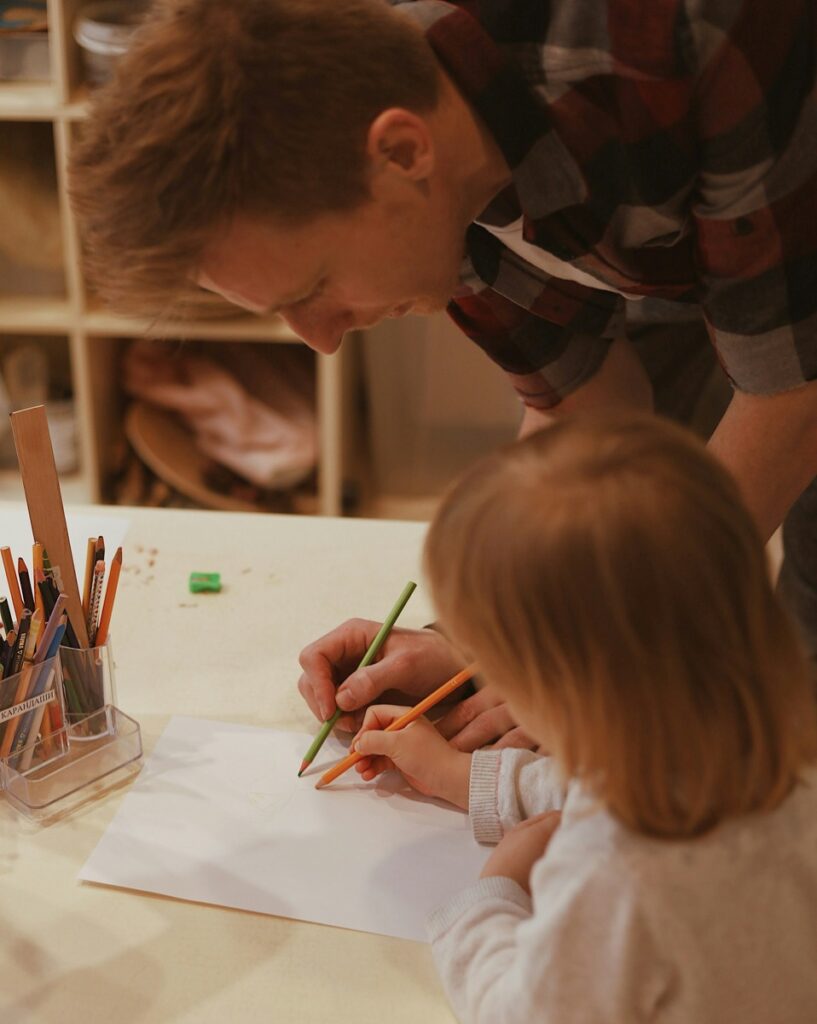
Fourth, while researching the negative effects of difficult childhood experiences, I also wanted to understand whether positive experiences could help balance some of those challenges. It was mentioned in a review published by a journal that experiences such as supportive relationships, feeling safe, and having people to rely on can help protect people from some of the negative effects of childhood adversity (4). This could suggest that a person’s past is not only made up of difficult experiences. Positive relationships and support can also influence their development and future. Having a teacher, relative, friend, or another trusted adult who provides encouragement and support may help someone deal with challenges.
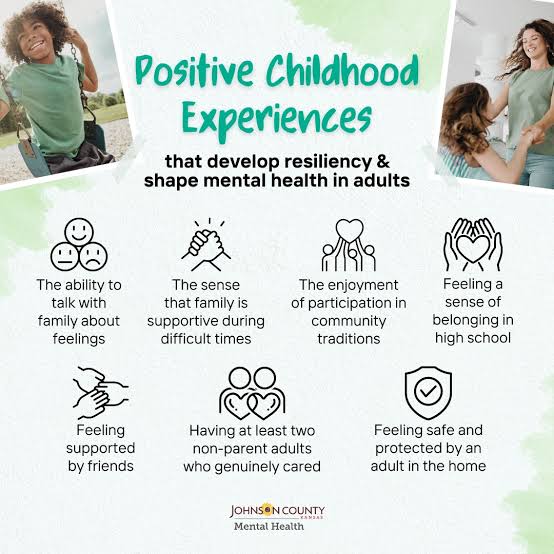
Finally, I wanted to learn about the factors that can protect children from these difficult experiences. Protective factors can include safe and supportive family relationships, positive friendships, supportive school environments, and having caring adults who can act as mentors or role models. These things may help reduce the risk of childhood adversity and support healthier development (5). From this, we can determine that a person’s future is influenced not only by the difficulties they experience, but also by the support they receive. Sometimes, even one supportive relationship can make a difference in how someone handles a difficult situation.
Sources:
- https://www.cdc.gov/aces/about/
- https://developingchild.harvard.edu/key-concept/the-developmental-environment/
- https://www.who.int/news-room/fact-sheets/detail/social-determinants-of-health
- https://pmc.ncbi.nlm.nih.gov/articles/PMC10528145/
- https://www.cdc.gov/aces/risk-factors/
(In each paragraph the sentences before the number means it is from that source but after that it is my opinions on it)
