
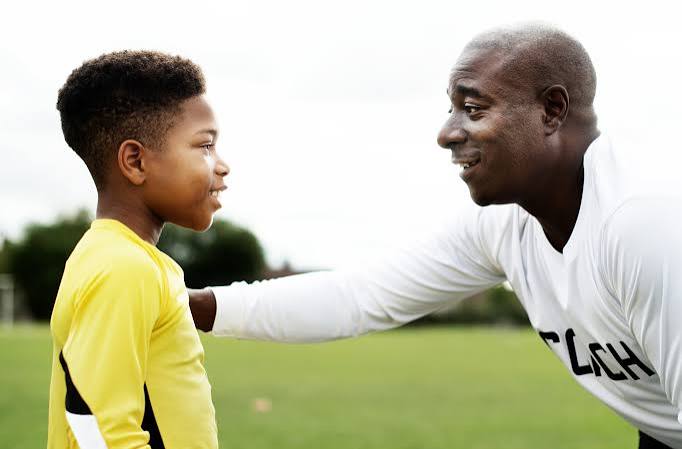
A coach can have a much bigger impact on an athlete than simply teaching them how to play a sport. The way a coach communicates, gives feedback, and supports athletes can shape how confident and motivated they feel. My first research question is: How can a coach influence an athlete’s motivation and confidence? I chose this question because athletes do not always play their best. They can experience setbacks, lose games, make mistakes, or struggle to improve. During these times, a coach’s response can make a difference in how an athlete feels about themselves and whether they want to keep playing their sport. Some research suggests that supportive coaching can help athletes develop confidence and motivation, while negative coaching can have the opposite effect (1)(2).

One way a coach can influence an athlete’s confidence is through the feedback they provide. When athletes make mistakes, the way their coach responds can affect them. Coaches who provide constructive feedback and explain how athletes can improve, let’s them learn from their mistakes. According to Psychology Today, a coach’s attitude can influence an athlete’s mentality and how they respond to challenges (1). For example, an athlete who misses an important shot might feel disappointed or question their abilities. However, a coach who focuses on what they can learn from the experience can help them regain confidence and feel encouraged to try again. On the other hand, constantly criticizing athletes or focusing only on what they did wrong can give them anxiety about making future mistakes (1).

Another important way coaches influence motivation is through encouragement and recognizing improvement. Not every athlete improves at the same pace, and some may need more time to develop certain skills. Sheppard Pratt explains that coaches play an important role in supporting athletes mental health and creating environments where they feel encouraged and valued (2). When coaches recognize an athlete’s effort, celebrate their progress, and set realistic goals, athletes may feel more motivated to continue improving. This is especially important when athletes are struggling or not seeing the results they want. Instead of only focusing on winning, coaches can help athletes achieve smaller goals, which can make them feel like their hard work is paying off (2).
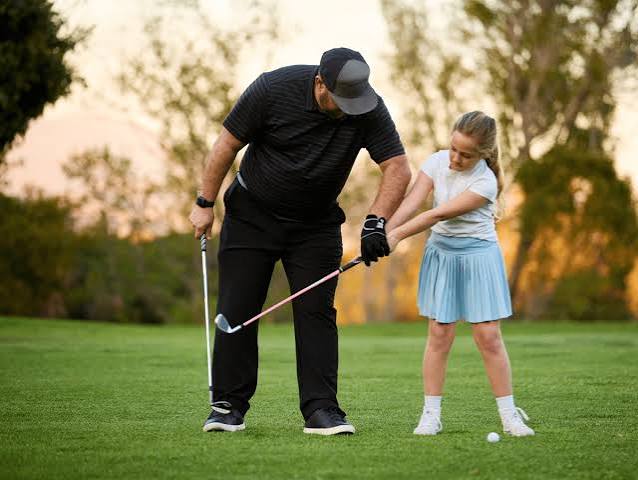
Building trust and having positive communication can also make a difference in an athlete’s confidence. Athletes spend a lot of time with their coaches, so having a good relationship can help them feel more comfortable asking questions and receiving feedback. The Coaching Association of Canada explains that the relationship between coaches and athletes is an important part of their overall well-being (3). When athletes feel that their coach listens to them and genuinely wants them to succeed, they may be more willing to work through challenges and take on new opportunities. Research examining coaching behaviour and athlete well-being also connects supportive coaching environments with more positive experiences for athletes (3).
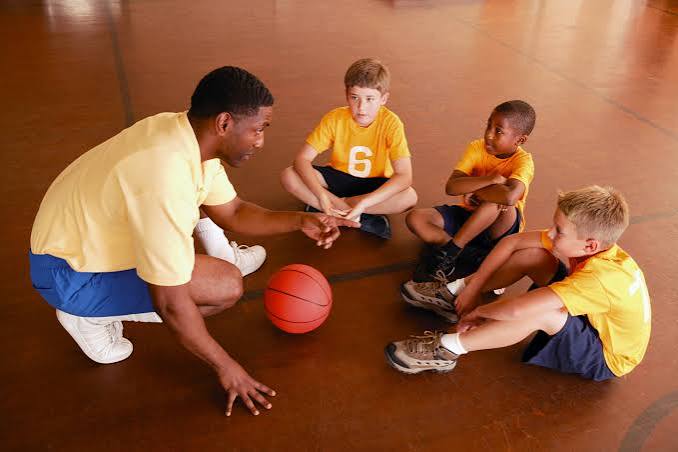
However, not all coaching behaviours have a positive impact. Too much criticism, pressure, or unrealistic expectations can affect an athlete’s confidence and motivation. A systematic review of research on athlete burnout found that controlling coaching behaviours can contribute to burnout, while more supportive approaches are associated with better outcomes (4). Another study examining collegiate athletes found that controlling coaching behaviours were associated with athlete burnout, while communication and the coach-athlete relationship played important roles in athletes experiences (5). For example, if an athlete constantly feels pressured to win or believes their coach is disappointed in them whenever they make a mistake, they may begin to lose confidence in themselves. Instead of enjoying the sport and focusing on improvement, they might become more worried about disappointing their coach. (4)(5).

Overall, the research shows that coaches can have a significant influence on an athlete’s motivation and confidence. Providing positive feedback, recognizing improvement, setting realistic goals, and building trusting relationships can help athletes feel supported and encouraged to continue working toward their goals. On the other hand, constant criticism and pressure can make athletes lose motivation. I think one of the most important things to recognize is that athletes need support not only when they are doing well, but especially when they are struggling. A good coach should help athletes recognize their potential, learn from their mistakes, and feel confident enough to keep trying.
Sources
(1) Miele, L. M. (2022, February 22). How a Coach’s Attitude Can Affect an Athlete’s Mentality. Psychology Today.
https://www.psychologytoday.com/ca/blog/the-whole-athlete/202202/how-coachs-attitude-can-affect-athletes-mentality
(2) Sheppard Pratt. The Role of Coaches in Athletes’ Mental Health.
https://www.sheppardpratt.org/inspire/story/the-role-of-coaches-in-athletes-mental-health/
(3) Coaching Association of Canada. Review of Literature: Coach and Athlete Well-Being.
https://coach.ca/resource/review-literature-coach-and-athlete-well-being
(4) A systematic review of the factors associated with athlete burnout in team sports.
https://www.tandfonline.com/doi/full/10.1080/1750984X.2022.2148225
(5) The Relationship between Coaching Behavior and Athlete Burnout: Mediating Effects of Communication and the Coach–Athlete Relationship. International Journal of Environmental Research and Public Health.
https://pmc.ncbi.nlm.nih.gov/articles/PMC7699703/