

Hi! This is my third blog post on the inquiry question: “Why do students choose to do low-priority tasks, such as cleaning or organizing, over higher-priority academic tasks, such as studying for an exam, when experiencing academic stress, and what techniques can be used to reduce this form of procrastination?” In this blog post, I will be addressing the first round of research from my project plan on the connection between academic stress and procrastination, especially focusing and studying the relationship between them and how they influence our emotions. I feel like this is relevant as a first round of research because it is very common for many students, including myself to feel overwhelmed during stressful situations.
First of all, what is procastination? Procrastination is a self-regulatory failure in which an individual voluntarily postpones or procrastinates when they are faced with a task or responsibility despite anticipating the negative consequences of doing so (1). Quite a huge percentage deal with procrastination, with research findings suggesting that procrastination exists in ~20-25% of the general population, especially in young people (1). A smaller survey of young adults in Japan and China found the same pattern, finding more people in general procastinating due to higher stress responses, such as feeling anxious, down, or helpless (4). Most common types of procrastination include postponement of exam prep, putting of usual assignments, or writing papers (1).
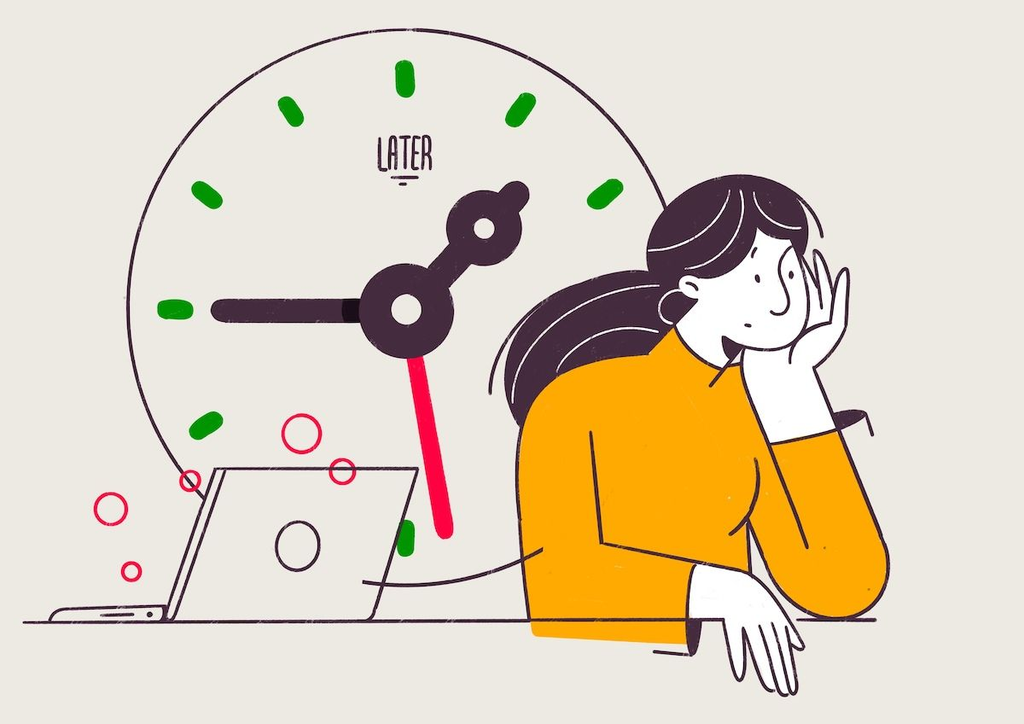
So, why does it happen? The thing is that procrastination is more related to managing our feelings than it is with managing our time. There is an idea called the “short-term mood repair”, which is when a task feels unpleasant, it brings up negative emotions (5). Thus, putting it off gives instant relief and deters that negative emotion (5). That could explain why you would most likely be more motivated to clean than to study, since cleaning is easy and doesn’t make you anxious like a big exam does. A study including Chinese university students found similar results, showing that negative academic emotions like stress & frustration would greatly increase the chance of academic procrastination (3).
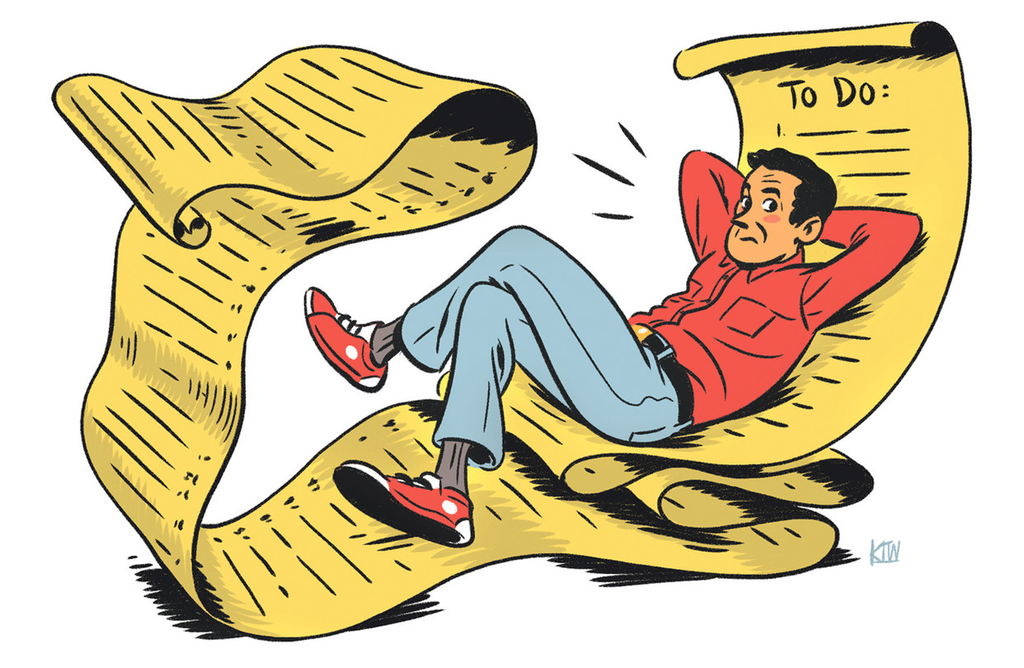
Procrastinating, unfortunately, does not actually relieve the stress. A large review of studies found that procrastination may lead to depression, anxiety, and stress (1). There is actually a cycle where negative emotions lead to procrastination, and then procrastinating adds guilt and even more anxiety, which makes feelings like worry or exhaustion worse (1). This goes to show that procrastination is short-lived and often will backfire (5).
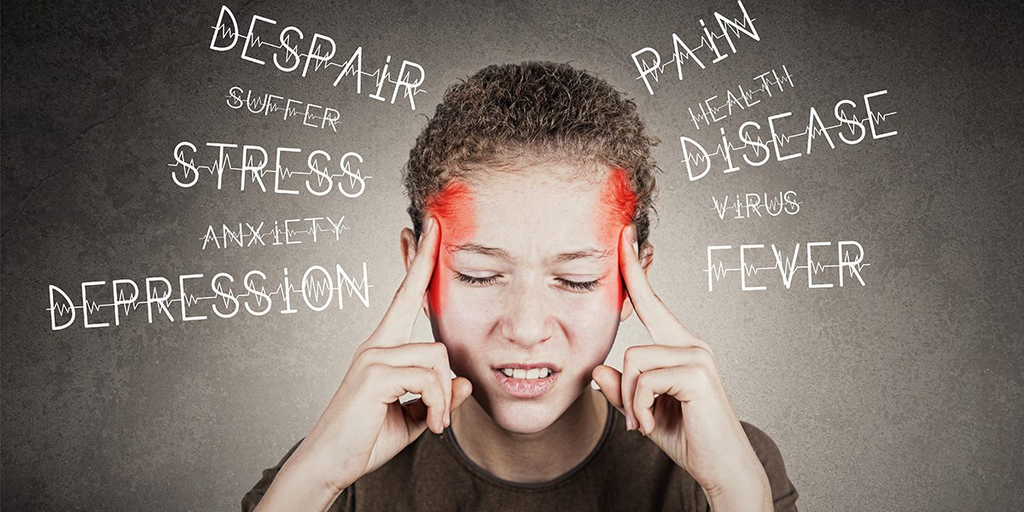
In one study, a two-week online program that taught people to handle unpleasant emotions, such as stress, helped them to procrastinate less (5). It suggests practicing mindfulness and to set up daily goals (3). I hope to get started on my blog post #4, on focusing even more on why smaller tasks seem more appealing & “attractive.”
Sources I used in this blog post:
- Nie, Y., Wang, W., Zhou, F., Wang, T., Li, S., Liu, C., & Gao, J. (2025, October 23). The association between procrastination and negative emotions in healthy individuals: A systematic review and meta-analysis. Frontiers in psychiatry. https://pmc.ncbi.nlm.nih.gov/articles/PMC12588926/
- Cleaning your room instead of doing your homework. DEV Community. (2026, November 16). https://dev.to/ben/cleaning-your-room-instead-of-doing-your-homework-2in
- MDPI. (n.d.-f). https://www.mdpi.com/2227-7102/14/11/1232
- Relationship between procrastination and stress responses – sciencedirect. (n.d.-g). https://www.sciencedirect.com/org/science/article/pii/S187435012100033X
- The relationship between procrastination and emotions Sisi Yang a thesis. (n.d.-j). https://etheses.whiterose.ac.uk/id/eprint/30350/1/The%20Relationship%20Between%20Procrastination%20and%20Emotions_ethesis_SY.pdf
Thanks for reading!
