
﹌﹌﹌﹌﹌﹌﹌﹌﹌﹌﹌﹌﹌﹌﹌﹌﹌﹌﹌﹌﹌﹌﹌﹌﹌﹌﹌﹌﹌﹌﹌﹌﹌﹌﹌﹌﹌﹌﹌﹌﹌﹌﹌﹌﹌﹌﹌﹌﹌﹌﹌﹌﹌﹌﹌﹌﹌﹌﹌﹌﹌﹌﹌﹌﹌﹌﹌

Hello, welcome to my third blog post!
﹌﹌﹌﹌﹌﹌﹌﹌﹌﹌﹌﹌﹌﹌﹌﹌﹌﹌﹌﹌﹌﹌﹌﹌﹌﹌﹌﹌﹌﹌﹌﹌﹌﹌﹌﹌﹌﹌﹌﹌﹌﹌﹌﹌﹌﹌﹌﹌﹌﹌﹌﹌﹌﹌﹌﹌﹌﹌﹌﹌﹌﹌﹌﹌﹌﹌﹌
As I have previously mentioned in earlier posts, my inquiry question revolves around women’s representation and whether unfair representation can be fixed. To begin, I will do my first round of research, which investigates women’s representation over various years.
I have chosen to begin by looking into the 1930s. For historical and societal context, the west, such as Canada and America were experiencing severe drought and The Great Depression. Many more poor weather conditions followed, such as floods and storms, all while radios began to become household staples, famous films, like Snow White, premiered, and landmarks, like The Empire State Building were built. Europe had equally struggled through The Great Depression, meanwhile many political conflicts occurred. Germany became controlled by the Nazi Party, and Joseph Stalin consolidated totalitarian rule. There had been The Spanish Civil War, and the invasion of Poland, and obviously many, many more important events, but I believe that sets the scene for the society and economics of the west and of Europe in the ’30s.
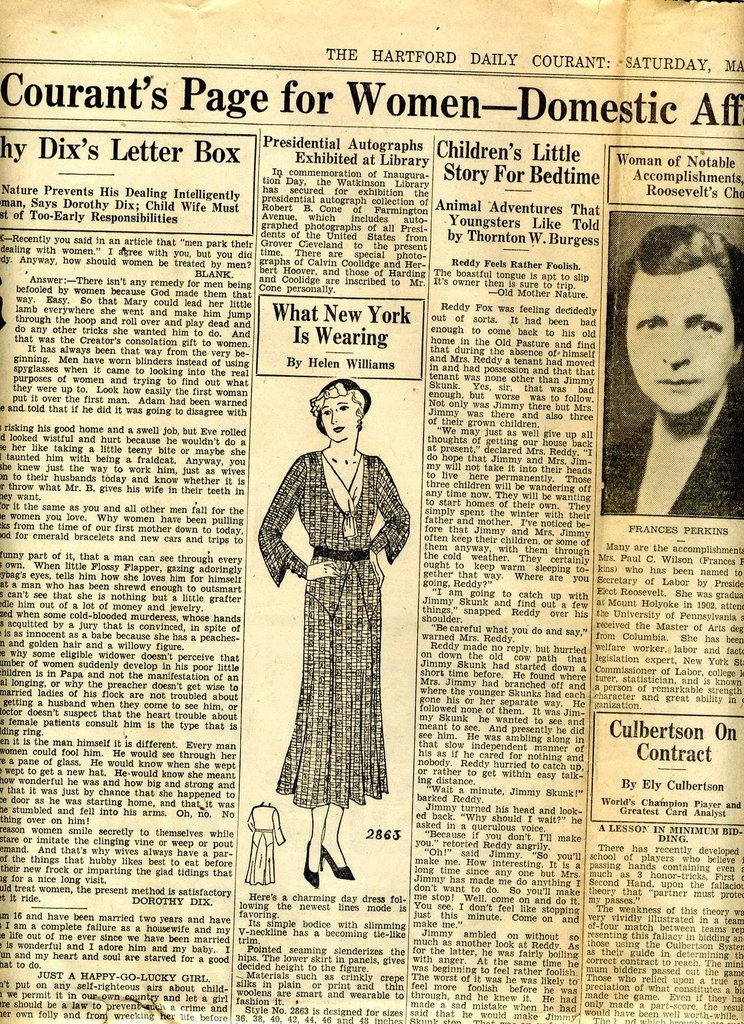
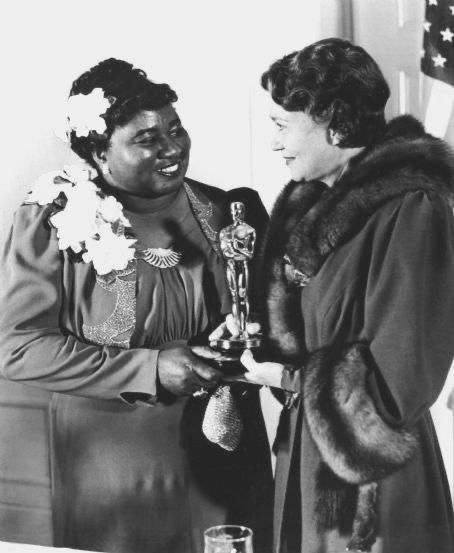
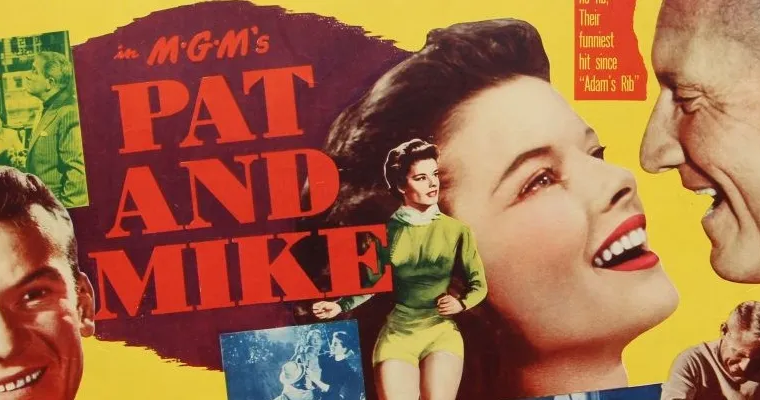
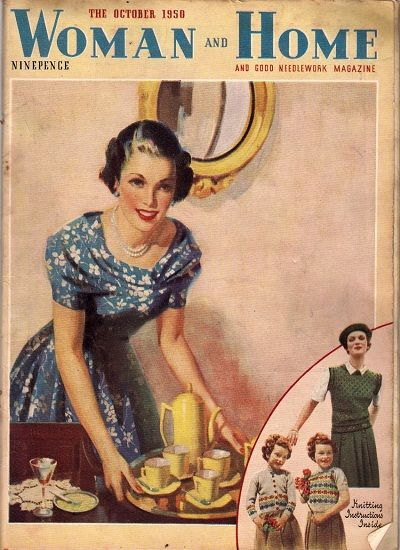
In America, women had been portrayed through many contradictory lenses. At times, women had been shown as bold, independent, and wise, while other times, they were still represented as domestic caretakers, and that came from many narrow stereotypes from The Great Depression. (1)In film and cinema, many women, like Mae West and Greta Garbo, played assertive, complex and bold roles in film, challenging societal norms and stereotypes. But this has all occurred before strict censorship rules took place. Many women of colour faced harsh realities, in which they either couldn’t find roles and job, or they were given parts with narrow, racial biases. Hattie McDaniel is a famous American actress and singer, she had played a role of the mammy stereotype, a pro-slavery stereotyped that emerged in the U.S. Though she played such a racially demeaning role, she became the first African American to win an Oscar for best supporting role. (4) Moreover, during the “30’s, magazines and consumerism relied on women. Media framed women as wives, mothers, and household caretakers. Magazines often advertised things related to their roles and discouraged the woman from working or taking on a job. In addition, beauty standards were actually quite similar to our standards today; they valued slim figures, small waists, and glamorous fashion.
In addition to the “30’s, I research the 1960’s in Europe this time to create a comparison between global location and societal expectation and perception. During this time in Europe, fashion, pop-music, and television began to introduce more female figures, such as Emma Peel in The Avengers, this challenged misrepresentation and created a new perspective for women’s representation. (3) Though that kind of breakthrough was amazing, feminism and feminist activism received pushback and was often ignored by the majority. (2) Journalism at the time was incredibly male dominated, and women and their issues were often dismissed. (5) There existed specific “women’s pages” that wrote and advertised things like fashion, makeup, domestic advice, and gossip. (6) Men were hesitant to allow women on air to present important events or information, even Joan Bakewell, who co-presented BBC Two’s Late Night Line-Up starting in 1965, was famously nicknamed “the thinking man’s crumpet” by male peers.
Thank you for reading!
Bibliography:
- | Star Machine: Power and Politics of Women in 1930s HollywoodRuth Chandler Williamson Gallery. rcwg.scrippscollege.edu/blog/exhibitions/virtual-exhibitions/star-machine-power-and-politics-of-women-in-1930s-hollywood-virtual-intern-exhibition.
2. Admin, and Admin. “The Secret History of Women and Journalism | the Old Shelter.” The Old Shelter | Sarah Zama Historical Fantasy Author, 17 Jan. 2025, theoldshelter.com/the-secret-history-of-women-and-journalism.
3. History Matters – Did the Feminist Challenge Actually Shake up the Print Press in 1969? Press. historymatters.sites.sheffield.ac.uk/blog-archive/2020/did-the-feminist-challenge-actually-shake-up-the-print-press-in-1969-press.
4. Research Guides: Consumer Advertising During the Great Depression: A Resource Guide: Gender and Advertising. guides.loc.gov/consumer-advertising-great-depression/gender-and-advertising.
5. Thorsen, Einar. Three-D Issue 32: Reading Pictures: Women’s Magazine Advertising 1968 – 2018 – MeCCSA. 2 Aug. 2019, www.meccsa.org.uk/nl/three-d-issue-32-reading-pictures-womens-magazine-advertising-1968-2018.
6. Voices of the BBC. www.bbc.com/historyofthebbc/bbc-100/100-voices.
