
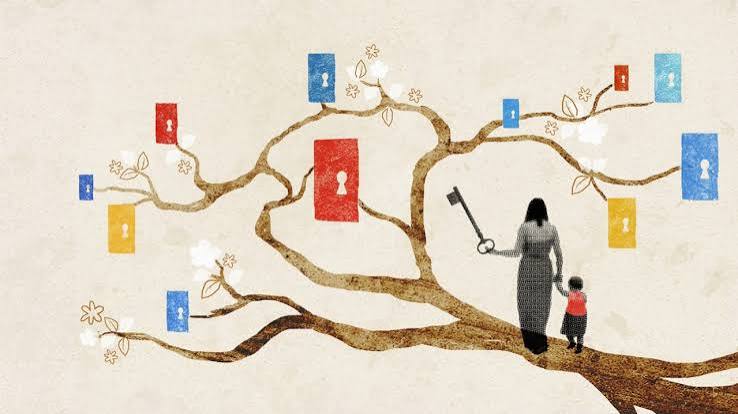
To help me find an answer to my Inquiry question above, I have researched the first phase of my already determined 3-step research plan. The information I learned from doing this research really helped me understand to what extent our familial background and the thigs we go through during life afects us and change us as people. Without further ado:
Step 1 – Research how people’s background and life experiences fundamentally change their identity and beliefs.
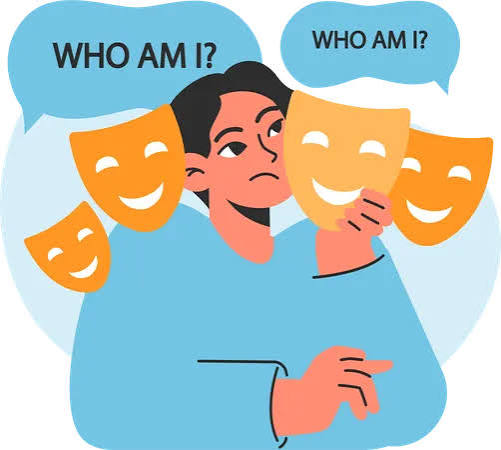
Identity is described by a person’s sense of who they are, and their different relationships. It can involve factors they don’t have control over, such as height, race, or socioeconomic class (1)(2). Identity encompasses the values someone has, and of what they find important in life. We all have many identities because of the many different roles we play in our lives, such as friend, daughter, or spouse. It’s labels we apply to ourselves and others, expectations from society about how we should think, and act (1)(2). Identity makes us feel unique, it separates us from others. We are guided through life, and we make decisions based on the meaning and expectations that our identity imposes on us (2). It can highlight similarities and differences within others, people being more likely to bond with those that share similar senses of self as them. People can emphasize different areas of their identity, some considering their relationships with others and religion to be more important, while others would put more of an emphasis on their personal interests and their profession. Without our identity, we lose what makes us, us (1)(2)(3).

The first real defining factor of our identity is our upbringing. The first few years of our life is spent learning how to live, and how the world works. When we’re babies, we mirror what the adults in our life do, figuring out emotions, feelings and movement (4). As we grow older, we look to parents and other figures in our lives for validation, their empathetic communication and support in pursuing our interests helps define who we are (4). During our adolescent years, we start developing our own strong opinions on the world based on the things we’ve seen and experienced. It is not so much the experiences themselves that shape us though, more so the meaning we assign to those experiences (5). For example, siblings with divorced parents will not all view the experience the same way. Depending on how old they were when their parents separated, how much of an understanding they had on the situation and the support they received, they will all have drastically different experiences and lasting opinions. The meaning they assigned to the event changes their view on it, even though the all witnessed the same event (4)(5). Throughout someone’s life, they establish a coherent life story of all they’ve been through and the meaning they assign all their events, their personal narrative. It’s mostly constructed throughout their adolescence and adulthood, when they can effectively put significance to all they’ve been through. This becomes their truth, a means of understanding the world as they move through it (4).
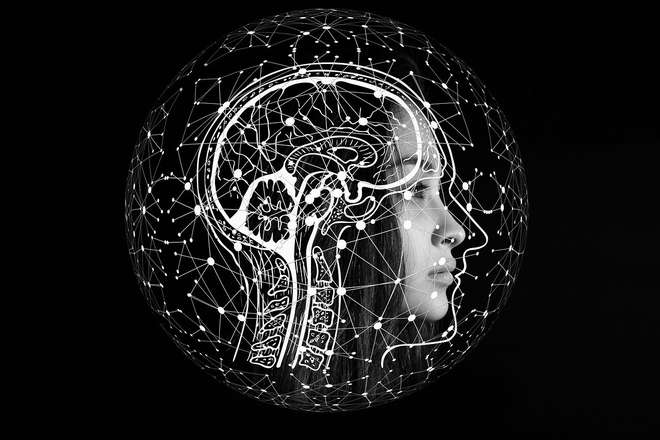
People assign reactions to certain feelings and senses based on their past experiences. The brain groups and makes sense of experiences by figuring out patterns in what someone has went through before (6). The brain uses statistical learning to expect outcomes based on what has been experienced in the past. It makes predictions based on what has already happened in the past, so it will be more prepared to anticipate what is about to happen and how to respond. These predictions, comparing what is going on right now to what has happened in the past, are the base of our emotional reactions and behavior (6). Even when our environment has dramatically changed, our brains continue to anticipate circumstances that are no longer likely to happen (7). This can be harmful in cases, being conditioned to associate alcohol with danger years after we’ve left an alcoholic household. We can be held back from exploring and learning new things because our brains have convinced us that an old threat is still harmful (6)(7). This brain function is overall positive though, helping us function in the world and retain experiences so we don’t have to wake up everyday and learn everything all anew (6).
The research I have done on our identity, and how our life experiences can affect it has helped further my understanding of the meaning we assign to ourselves and our life and how past moments can keep on affecting us now. My next reseach post will be: Research how parents influence their child’s development and childhood. I think this will really help me figure out what parenting techniques, methods of communication and childhood experiences shape a child for the rest of their life.
Sources:
- https://www.psychologytoday.com/ca/basics/identity
- https://www.facinghistory.org/resource-library/exploring-concept-identity
- https://dictionary.cambridge.org/dictionary/english/identity#google_vignette
- https://www.mghclaycenter.org/parenting-concerns/discovering-who-i-am-the-critical-role-of-identity/
- https://climerconsulting.com/experiences-shape-lives/
- https://www.toriolds.com/transformation-series-2
- https://www.bbk.ac.uk/news/study-finds-our-stubborn-brains-use-past-experiences-to-shape-how-we-perceive-the-present
Thank you for reading this post, can’t wait to start the next!