Hi everyone! Thank you so much for reading my 3rd blog post. My inquiry question is: How has feminism shaped the structure of modern society? In this blog post, I’ll be writing about my first research topic of 3: “What does feminism even mean, and why is it so misrepresented in media?” I think this is a great step to learn about inorder to answer my inquiry question, so let’s get started!
Definition & history of Feminism:
According to UN Women, the most basic definition of the word “feminism” is the simple ideology that everyone deserves equal rights and opportunities regardless of gender identity, sexuality, race, class, or ethnicity (1). Just from this definition, you could see where the misunderstandings stems from; Feminism is not all about it women, its about rights for everyone.
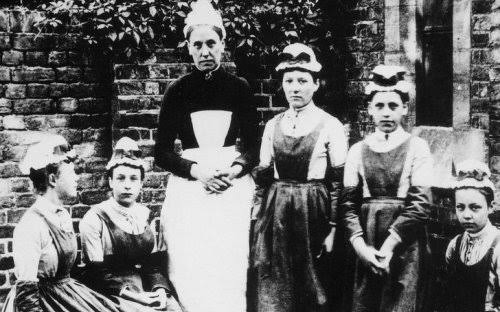
So why is it called “Feminism” instead of something more broad? Well it all starts with the history. Feminism gets its name from the French word, féminime, which originated in 1871, when a French writer, Alexandre Duman used the word, féministe, in an essay to descride men who would advocate for women’s rights (2). You see, Europe in the 1800s was not a great place for women, much like the rest on the world at that time. For everyone, your rights and opertunities were governed by your social rank, however all women generally had fewer rights than men across the spectrum. Legal codes, like the Napoleonic Code, were passed, stating that married women were legally of lesser value under their husbands. Unaccompanied women in public spaces could face backlash and scrutiny. They weren’t allowed to vote or hold high political roles, and very few women were able to obtain a higher education (3). Its not crazy to say that there needed to be a change in the system.
During the late 19th and early 20th centuries, the word “feminism” with women’s rights campaigns spread throughout Europe and North America. Scholars argue that broader terms like “Humanism” or “Gender equality” should be incorperated to avoid confusion, while others bring up that using replacement terms can obscure the historical significance of women’s sufferage campaigns (4).
Why feminism is often misrepresented:
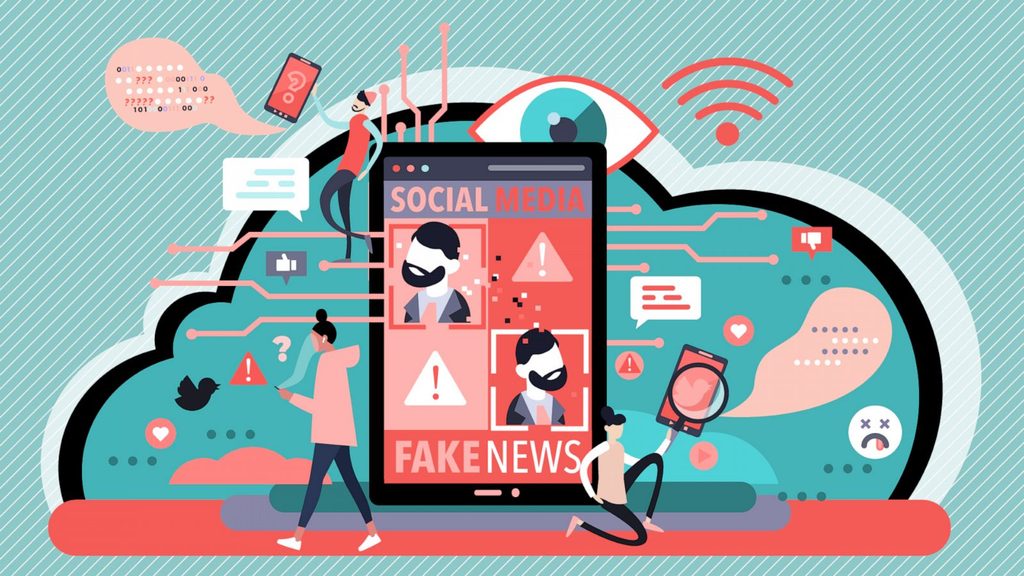
Well, unfortunately, social media and news outlets often only highlight the stories that gather the most attention and/or outrage. In any group of people there are bad actors, that create radical interpretations along the lines of a “man-hating” myth, slapping the label “Feminism” over it. That is where the misinformation comes from. I believe that if everyone understood the genuine definition and intentions of this word, we’d all have a point to stand united as humans.
References:
- UN women – headquarters. (2026). What is feminism?. Retrieved from: https://www.unwomen.org/en/articles/explainer/what-is-feminism
- Bedel, Delphine. (2021). Feminism. What’s in a Word?. Retrieved from: https://futuress.org/stories/feminism-whats-in-a-word/
- Brunell, Laura, Elinor Burkett. (2024). Feminism. Retrieved from: https://www.britannica.com/topic/feminism.
- Why I Call Myself a Feminist. (2018). Retrieved from: https://wave-network.org/why-i-call-myself-a-feminist/.
Thank you for reading!

Hi Samia! Your post is very interesting. I liked how you explained the origin of the word “feminism” and why it has that name. The section about women’s rights movements developed because of unfair treatment in the 1800s was really good, it made me think about how social media can sometimes create misunderstandings about important ideas. One thing I think would be a good addition to research on is, do you think feminism would be viewed differently if it had been given a more gender-neutral name? I’m excited to see what you post next, keep up the good work!