For my inquiry project, I have decided to research the question, why are neurodegenerative and prions diseases so difficult to cure.
Neurodegenerative diseases are diseases that slowly damage the brain and nervous system over long periods of time). Some examples include Alzheimer’s disease, ALS, and prion diseases like Creutzfeldt-Jakob disease and Fatal Familial Insomnia. (1)(3) Brain cells, called neurons, start to die as these diseases progress. This causes the brain to lose its ability to control things like memory, movement, and thinking. (1)

One of the main things that happens during these diseases is that abnormal proteins begin to build up in the brain. (2) Proteins normally help brain cells work properly, but sometimes they fold into the wrong shape and stop working the way they should. These abnormal proteins can build up and interfere with how brain cells communicate and function. (2) In prion diseases, the abnormal prion proteins can actually cause normal proteins to change into the same abnormal shape. This allows the damage to spread throughout the brain. (3)
Brain cells stop working properly as more and more abnormal proteins build up. (2) The brain can also develop inflammation as it tries to respond to the damage. This can make things worse for other healthy brain cells. Eventually, more neurons become damaged or die. (1)(2) This causes different parts of the brain to stop functioning normally. This is why people with these diseases can lose their memory, have trouble moving, struggle with thinking, or lose control of certain body functions. (1)
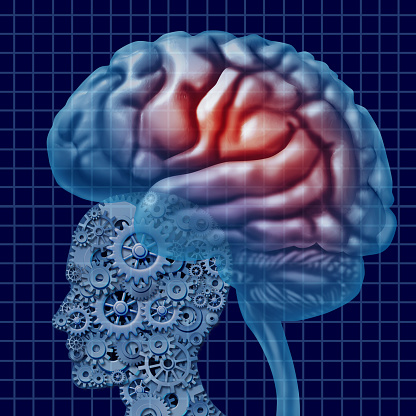
Another reason these diseases are so difficult to treat is because damaged or dead brain cells are very hard to replace. (1) Most neurons do not easily grow back once they have died. The brain also has very complicated connections between its cells, so its hard to get the connection back to the way it was. This means that once a lot of brain damage has happened, it can be very difficult or even impossible to reverse it. (1)(2)
These diseases can also be difficult to detect in their early stages because the first symptoms are often very small and easy to miss. (4) For example, someone might start forgetting things or having trouble concentrating. These symptoms can look like normal aging or other health problems, so it may take time for doctors to figure out what is actually happening. (4) By the time the disease is properly diagnosed, a lot of irreversible damage may have already happened inside the brain. (1)(4)

Finally, treating these diseases is difficult because medications have trouble reaching the brain. The brain is protected by something called the blood-brain barrier. (5) The blood-brain barrier is like a filter that stops harmful substances in the blood from entering the brain. This barrier is important for protecting the brain, however, it also blocks medications that could maybe help treat brain diseases. (5) So, treating the brain is very difficult.
Sources:
- https://pmc.ncbi.nlm.nih.gov/articles/PMC8837071/
- https://www.nia.nih.gov/health/alzheimers-and-dementia/what-alzheimers-disease
- https://www.cdc.gov/prions/about/index.html
- https://www.nia.nih.gov/health/alzheimers-symptoms-and-diagnosis/how-alzheimers-disease-diagnosed
- https://pmc.ncbi.nlm.nih.gov/articles/PMC12242972/
