
My inquiry question: Exploring ways teenagers can prevent harmful behaviour
Welcome back to my blog post #4 on how teenagers can prevent harmful behaviour. Having good role models for younger students is really important, though if teenagers aren’t taking care of themselves, avoiding the poor behaviour or the weight of peer pressure, they cannot be reliable role models for the next generation. Being social is an important factor. Joining sports teams or clubs can have a large effect on academic performance, anxiety rates and more. (1) Students who spend chronic times alone and don’t socialize are 22% more likely to receive lower grades in school. Poor sleep habits are higher, 67% compared to 36.9% in students that are social. Considering all the emotions and hormones teenagers have, being in a group or having a simple outlet that keeps your sharing and talking is super important.
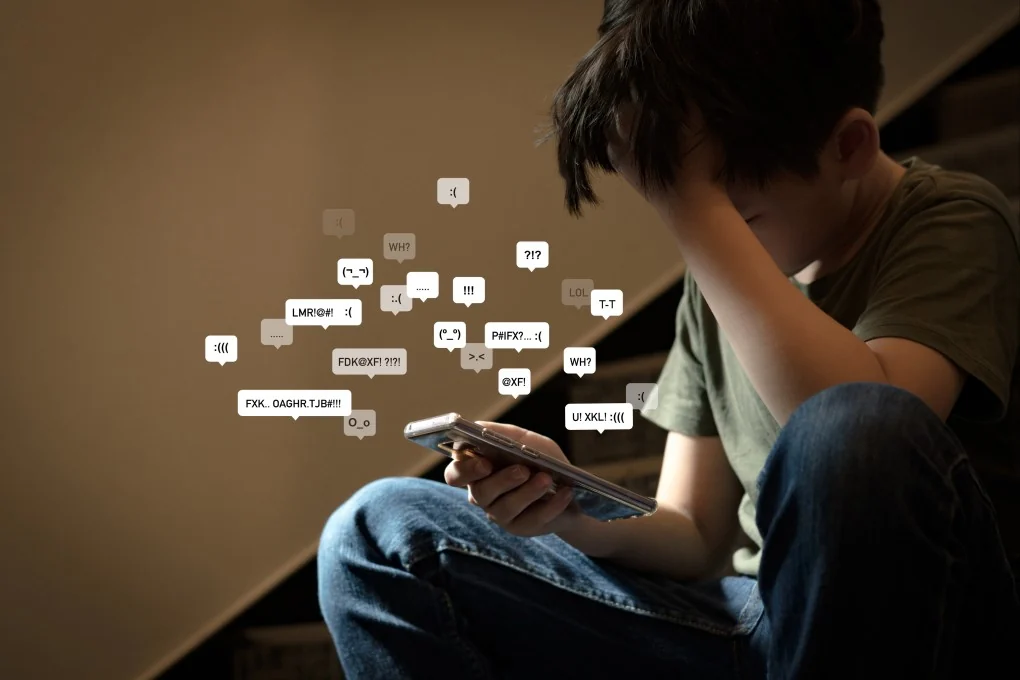
Understanding consent is another important factor. Not solely in person, but many negative, poor decisions happen behind the screen. (2) According to Harvard Medical School, the teenage brain is around 80% developed. Which means there is lots of room for simple mistakes, impulsive decisions and brain fog. We think much can’t happen because our identities are hidden behind a rectangle and roughly 32% of bullying is cyberbullying. This is one factor we need to help the next group of young students avoid. (3)It is important for teenagers to grasp that every text sent and every photo taken can be permanent, especially if sent. Once it is, it is out there and there isn’t a direct way of getting it back or removing it forever. Teenagers are asked not to sent anything personal to anyone in the case of someone getting ahold of it.
(4) A lot of pressure in teens comes from holding a lot of emotions in. If teenagers have access to outlets that can let them relieve stress, harmful behaviour can decrease. Finding a hobby, learning how to navigate emotions or having a person to talk to can help release the weight off of teens’ shoulders. Maintaining a steady sleep routine and overall household routine can help ease off the stress when a teen comes home from school and has work to do.
(5) Lastly, there are things parents or guardians can do to help with the stress load. Research found that teenagers respond easier when rules are set concerning their safety rather than being strict. It is easier for teenagers to feel safe and organized when parents can become a mutual with them and maintain an even level of respect. Teenagers are still managing their emotions and how to control responses. When boundaries are set in a mutually understanding manner, teenagers can get through their days with a clearer mind.
In conclusion, there are many alternate paths students can take to avoid harmful behaviour and there are many people that can lend a hand. Whether it’s a parent or guardian, or you find yourself taking on a new hobby. There are many things you can do that not only prevent poor behaviour, but that bring down stress levels and add ease into your day to day. Thank you so much for reading and I really hope your learned something!
Sources:
(1) World Health Organization. (2025, June 30). Social connection linked to improved health and reduced risk of early death. World Health Organization: WHO. Who.Int. https://www.who.int/news/item/30-06-2025-social-connection-linked-to-improved-heath-and-reduced-risk-of-early-death
(2)Edwards, S. (2010, August 9). Deciphering the teenage brain. Hms.Harvard.Edu. https://hms.harvard.edu/news/deciphering-teenage-brain
(3) Internet safety tips for teens. (2024). Royal Canadian Mounted Police. https://rcmp.ca/en/bc/safety-tips/online-safety/internet-safety-tips-teens
(4) How to prevent and reduce substance use harms for youth: What youth say works. (2025). https://www.ccsa.ca/sites/default/files/2025-05/Youth-SU-Prevention-What-We-Heard-en.pdf
(5) Damour, L. (2024). Teens and risky behaviour | UNICEF parenting. Www.Unicef.Org. https://www.unicef.org/parenting/mental-health/teens-risky-behaviours