
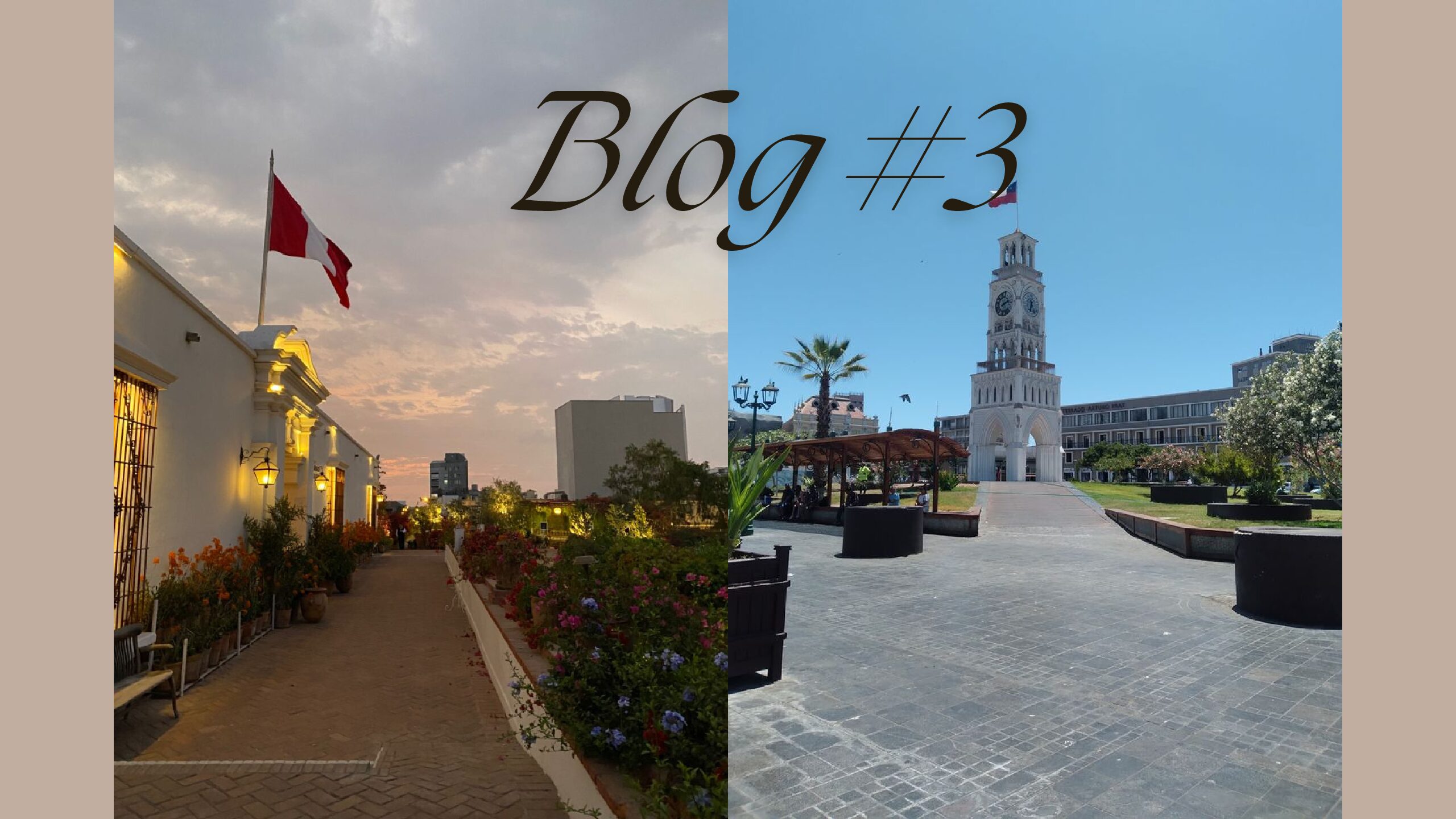
Hi everyone, this is my blog post #3. I’m going to research about my story project with evidence that support my post . It includes the exposition, point of attack and rising action.
Exposition:
Changes in a child’s environment due to migration
When moving to another place it is a big change for many children. Enven if the language is the same, the children can feel disoriented because of the changesin the environment and culture.The research of Mixed Migration Centre in May of 2025 showed that migrating kids can experience a temporary break from social links thereby instigating feelings of not fitting in and emotional instability. [1]
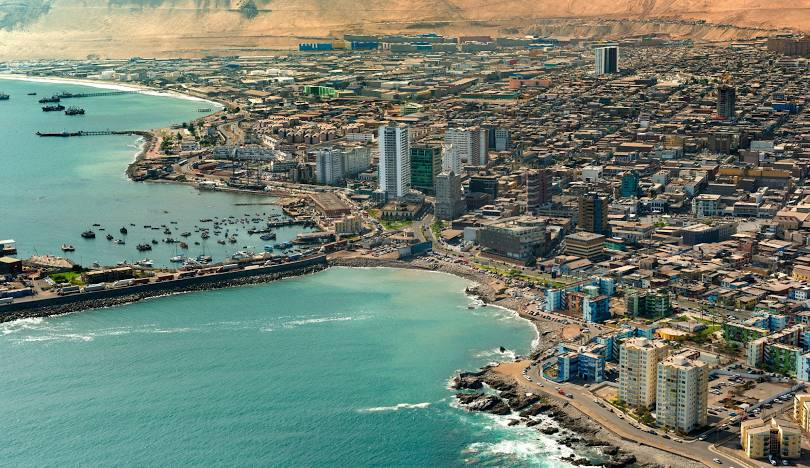
According to my story about moving form Lima, Peru to Iquique, Chile. It was indeed a big environmental and cultural change for me that created many feelings. Research on internal migration in South America suggests that many children often experience a combination of hope and worry when they live in their familiar environment and face new routines in a different place. [1]
Family and Pet Separation
Separation from loved ones, including pets, can increase stress. Pets are considered part of a family and serve as a source of comfort and emotional support, as in many circumstances change completely to someone’s life. Many studies indicate that the separation from one’s pet may lead to the feeling of loss and sadness because of the missing companion. [2]
My blog #2 talks about having Pluton with me in Chile but leaving behind Jupiter with my grandparents. The idea of leaving Jupiter behind was practical, but it also brought me a lot of emotions that can be represented as how migration can force difficult choices.
Identity and Adaptation
Migration as well can challenge a child’s sense of identity and aelf-concept. This can demand negotiation with regard for new social setting, reconding the previous cultural practices with the new one and resilience as well.
Research indicates that this adaptation process is of great importance for future emotional development and may affect personality growth. [3]
My exposition does this by setting the stage for my identity development, in that I was aware of the move and its importance, which is an important first step in the adaptation process.
Point of Attack:
Acculturative Stress
My story mainly has the issue of adjusting to a completely different life, which is based on research on acculturative stress support. Acculturative stress is the level of psychological strain that one undergoes during an attempt to balance the values and behaviors from the original culture with those in the new environment. [3,4]
Even in cases when the language is the same, the accent, social norms, school routines, and local customs may create problems. It means, according to studies, children usually have noticed the little things that are mainly different, like humor, expression, or social etiquette, that make up a sense of “otherness”. [3]
My story means this tension when I mention the strange accents and the unfamiliar school environment, reflecting the real psychological experiences of children in similar situations.
Loneliness and Social Isolation
Children who move can feel lonely, for they temporarily lose established social networks. According to research, feelings of isolation can contribute to worse mental health, lower confidence, and more challenging adaptation depending on the situation. [1,4]
My story reflects this both through early school and community uncertainty and eventually meeting new friends. In fact, the early stages of migration are often typified by a feeling of dislocation where in one is “between worlds,” belonging fully neither to the old home nor to the new one. [4]
Family Dynamics and Support
Migration can affect family dynamics. Sometimes Children adapt more quickly to a new environment than their parents, creating an “acculturation gap”. This gap can sometimes cause misunderstandings and tension. [5]
This emotional burden of leaving Jupiter behind and worrying about Pluton’s loss. In my story, I describe how family dynamics interplay with migration stress.
Rising Action:
Rising Action 1
Culture Shock
Even in same language migrations, children can experience culture shock, which includes phases such as excitement, confusion, frustration, and gradual adaptation. [3]
My description of Iquique during blog #2 is “strange”; while starting school was “magical”, it parallels with the phase of cultural shock.
School as a Site of Adaptation
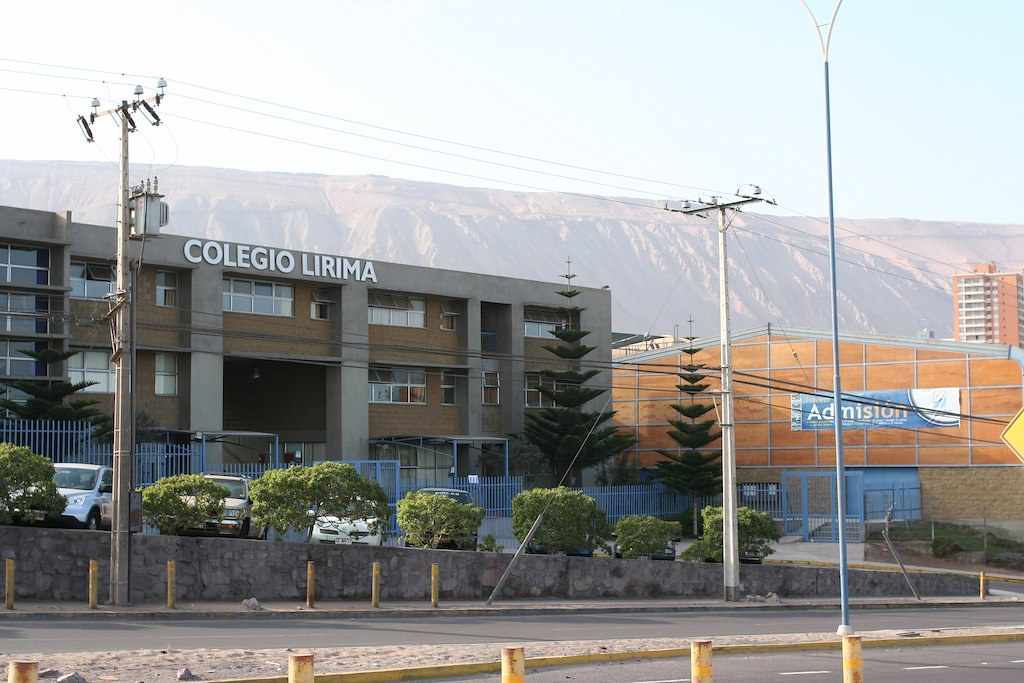
Research highlights that school is one of the most important environments for social adaptation. Children make new friendships, learn to navigate peer hierarchies, and learn interpretative patterns of behavior in different ways. [1,4]
My story tells this with both positive experiences of meeting new friends and as well as challenges, which is according to migration studies.
Accents and Communication Challenges
Even with small linguistic differences, like accents, can affect how a child communicates and integrates with others. Sometimes, children can feel frustraded until they can adapt. [3]
Rising action 2
Role of a Pet in Finding Emotional Stability
Over time pets have become an emotional anchor when someone is experiencing an stressful moment in life, offering companionship, comfort and continuity. [2]
Grief of Lossing a Pet
Pluto’s loss also dramatically became an emotional turning point. Indeed, the loss of a dog may provoke reactions of grief no different from those following the loss of a family member: sadness, anger, helplessness-especially, as some recent studies suggest. [2,5]
The blog is a representation of this, where the emotional burden of losing a loved one and finding out that “not everyone stays with you forever” brings about growth.

Resilience and Adjustment
Psychologists have outlined that losses nourish resilience. As time passes, kids assimilate and develop emotinaol flexibility, empathy and problem-solving skills. [5,6]
The foreboding of this is that my story shows later how I started to accept the loss and adapt to your new environment, which reflects emotional growth and maturity.
- References: Mixed Migration Centre. Dynamics and challenges for child migration in South America. (2025, May). Mixed Migration Centre. https://mixedmigration.org/wp-content/uploads/2025/05/377_Child-Migration-in-South-America-REPORT-EN.pdf (mixedmigration.org)
- Faunalytics. (2020). When people emigrate, what happens to their companion animals? Faunalytics. https://faunalytics.org/when-people-emigrate-what-happens-to-their-companion-animals/ (faunalytics.org)
- Ospina, M., & González, S. (2025). Acculturation Stress and Mental Health in Latin American Migrants: A 2010–2024 Review. Ánfora, 32(59), 22–48. Universidad Autónoma de Manizales. https://doi.org/10.30854/anf.v32.n59.2025.1020 (publicaciones.autonoma.edu.co)
- Marroquín Rivera, A., & colleagues. (2020). Mental health in adolescents displaced by the armed conflict in Colombia. Child and Adolescent Psychiatry and Mental Health, 14(1). https://capmh.biomedcentral.com/articles/10.1186/s13034-020-00327-5 (capmh.biomedcentral.com)
- Weitzman, A. (2024). International Displacement and Family Stress in Latin America: The Family Crisis Migration Stress Framework. Journal of Family Issues. https://journals.sagepub.com/doi/10.1177/0192513X231151291 (journals.sagepub.com)
- Khoudour, D. (2025). Human Mobility and Development in Latin America and the Caribbean. UNDP. https://www.undp.org/sites/g/files/zskgke326/files/2025-10/bp_50_human_mobility.pdf (undp.org)
- National Superintendency of Migration (Peru). (2023). Migrant children and adolescents: a new panorama of study in Peru. https://www.gob.pe/institucion/migraciones/informes-publicaciones/3809749-ninas-ninos-y-adolescentes-migrantes-un-nuevo-panorama-de-estudio-en-el-peru (gob.pe)
Thank you for readinng my post!