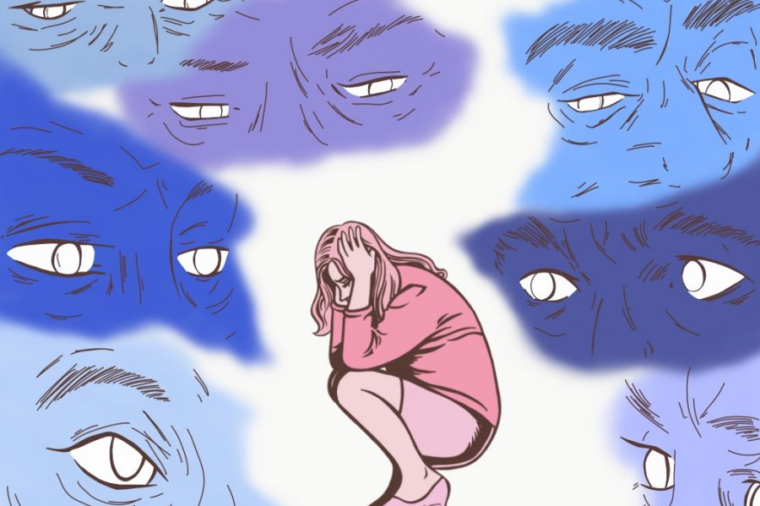
For my inquiry project, I chose to research the topic of “How does the portrayal of beauty standards by the media contribute to the ongoing presence of body dysmorphia?” I chose to research this by breaking my inquiry question into 3 sub questions, and I will be addressing the first sub-question today.
For my first round of research, I wondered, “What are beauty standards and body dysmorphia? How are they related?”
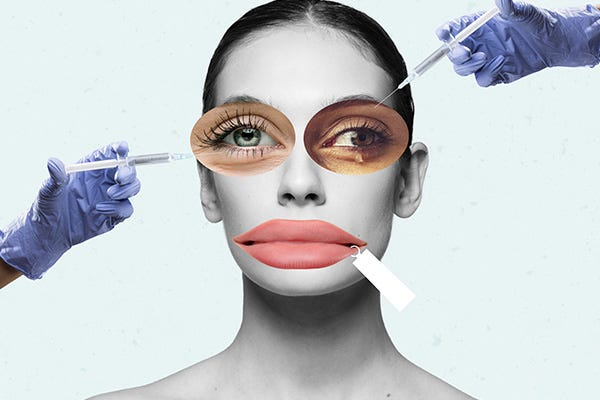
Beauty standards are those societal norms that our society perceives as ideal and that a particular group of people, culture, or community, considers physically attractive or beautiful (1). These standards can vary widely across different cultures and time periods but often include specific traits such as body shape, skin tone, facial features, and hair type. Now you might be wondering, what shape beauty standards and who gets to decide what they are? Media representations, cultural norms, and historical influences all play significant roles in shaping these standards. These standards can be unrealistic and narrowly defined, leading to widespread body dissatisfaction (2). Beauty standards continue to have a massive impact on our society as a whole. These beauty standards often lead to other underlying problems, such as body image issues, sometimes known as body dysmorphia, which often result in very low self esteem and dissatisfaction with one’s own appearance (3).
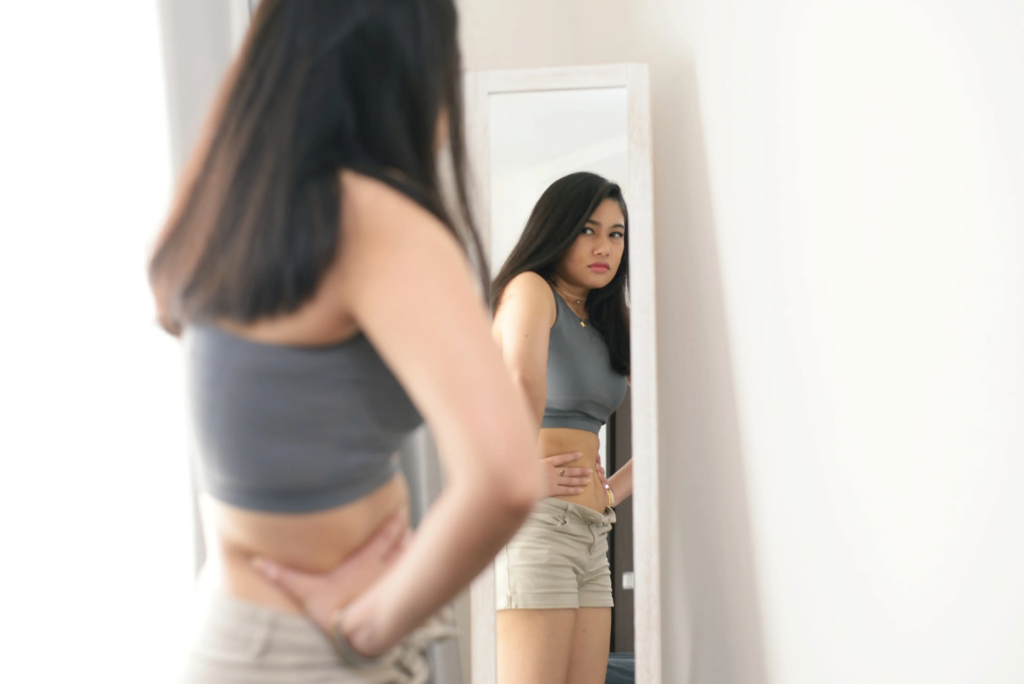
Body dysmorphia disorder, also known as BDD, is a mental disorder that leads individuals to continuously think of and come up with flaws in their appearance. These “flaws” that those who suffer from this disorder see in themselves are often not visible to others. It is common for those who suffer from BDD to become intensely preoccupied with their appearance and body image, frequently checking mirrors, grooming, or seeking reassurance, often for many hours each day. Just like any other mental health disorder / condition, this too comes with it’s own symptoms.
Some of which include (symptoms):
- Attempting to hide perceived flaws with styling, makeup or clothes
- Frequently checking the mirror or avoiding mirrors altogether.
- Seeking reassurance from others about appearance.
- Symptoms of anxiety and depression.
- Avoidance of social situations or photos
It is important to understand that, much like any other physical or mental health condition, you would receive professional help. It is important to take care of any symptoms you may be facing regarding BDD’s, and, when needed,, ask for professional help. This is one of those disorders that does not always “get better on its own” and must be dealt with before it gets untreatable. BDD’s most commonly affect young people in their teenage years and we still don’t have a straight cure for them (4).
Now, after understanding what beauty standards and body dysmorphia are, its pretty evident to understand the connection between the 2. As societal pressure to achieve a certain look intensifies, those who feel they do not meet these standards may experience heightened anxiety and obsession over their appearance. Those feelings of obsessing over what you believe are negative aspects of your physical appearance could result in slowly developing a BDD (6). This can lead to or worsen body dysmorphic disorder, creating a vicious cycle of negative self-perception and mental distress (5). With how big of an impact social media has on our world today, constant exposure to unrealistic beauty standards online can worsen symptoms of body dysmorphia and contribute to feelings of dissatisfaction with one’s appearance.
Thank you for reading my first round of research, where I focused on researching Beauty Standards, Body dysmorphia and how they connect. In my next post, I will be addressing my second mini-question, “What specific types of media (ex. social media, television, etc.) are most influential in shaping beauty standards and contributing to body dysmorphia?“
I look forward to sharing my future research with you! Thank you for reading.
Citations:
- Beauty standards – definition, analogy, and study resources. Fiveable. (n.d.). https://library.fiveable.me/key-terms/ap-spanish-lang/beauty-standards
- Rollero, C. (2022, March 23). Mass media beauty standards, body surveillance, and relationship satisfaction within Romantic Couples. MDPI. https://www.mdpi.com/1660-4601/19/7/3833
- Sussex Publishers. (n.d.). Culture dictates the standard of Beauty. Psychology Today. https://www.psychologytoday.com/us/blog/when-food-is-family/201404/culture-dictates-the-standard-beauty
- Mayo Foundation for Medical Education and Research. (2022, December 13). Body dysmorphic disorder. Mayo Clinic. https://www.mayoclinic.org/diseases-conditions/body-dysmorphic-disorder/symptoms-causes/syc-20353938#:~:text=Body%20dysmorphic%20disorder%20is%20a,may%20avoid%20many%20social%20situations.
- Sussex Publishers. (n.d.-b). The psychology of beauty. Psychology Today. https://www.psychologytoday.com/us/blog/reading-between-the-headlines/201206/the-psychology-of-beauty
- MediLexicon International. (n.d.). Beauty Standards and Mental Health: The Connection and more. Medical News Today. https://www.medicalnewstoday.com/articles/beauty-standards-and-mental-health#:~:text=A%20meta%2Danalysis%20from%202008,eating%20disorders

Hi Anannya,
I really enjoyed reading your post! It was very well-written and it was great to see your points explained so clearly. What beauty standards do you think are the most harmful?
Here’s an article you might find interesting: https://my.clevelandclinic.org/health/diseases/9888-body-dysmorphic-disorder
Good luck with the rest of your project!
Aniela
Hi Anannya!
Great blog post, it’s such a real problem of our current day, I love that your speaking up about it. You made this such a thought-provoking reading experience. I would love to hear your thoughts on how the beauty standard has changed so often.
Here’s a few sites that could be useful: https://projects.iq.harvard.edu/files/isl/files/occidentalisation_of_beauty_standards_eurocentrism.pdf
https://revista.drclas.harvard.edu/beasts-and-beauty-in-colombia/