
a. What challenges did you overcome throughout this inquiry project? How did you go about overcoming these challenges?
I had to overcome some challenges while completing this project. Some challenges that I faced were explaining my research in a simplified manner, tying in research with some of my opinions and finding images that fit with the description that I was trying to express. I was able to do a lot of research on this topic and since it is an area of interest for me, I have been reading about these subjects for a long time now. Since I understood what I was talking about, I had to make sure to be able to explain it in a way that others would understand that do not have background knowledge on neuroscience and early childhood education. Facing this challenge just required simplified words and not going into too much detail that it became wordy and overcomplicated. Similarly, I had difficulty of finding a balance between my research and some of my opinions. Since I have been researching this topic for so long, I have developed opinions and theories which I wanted to make as a part of my blog posts. I was able to intertwine what I learnt during this inquiry project as well as what I have learnt previously by simply citing my sources properly and adding the number of the website in the sentence, then adding in my own thoughts to simplify the idea a little bit at the end of the paragraph. This strategy ended up being very effective. Finally, I had a bit of difficulty with finding good images to put in the blog posts to help the reader understand my content. I was able to research key words on the internet and refine my searches to specify which images came up. These gave me pretty good results, but I think this was still an aspect that I could improve on.

b. How did this inquiry change the way you think?
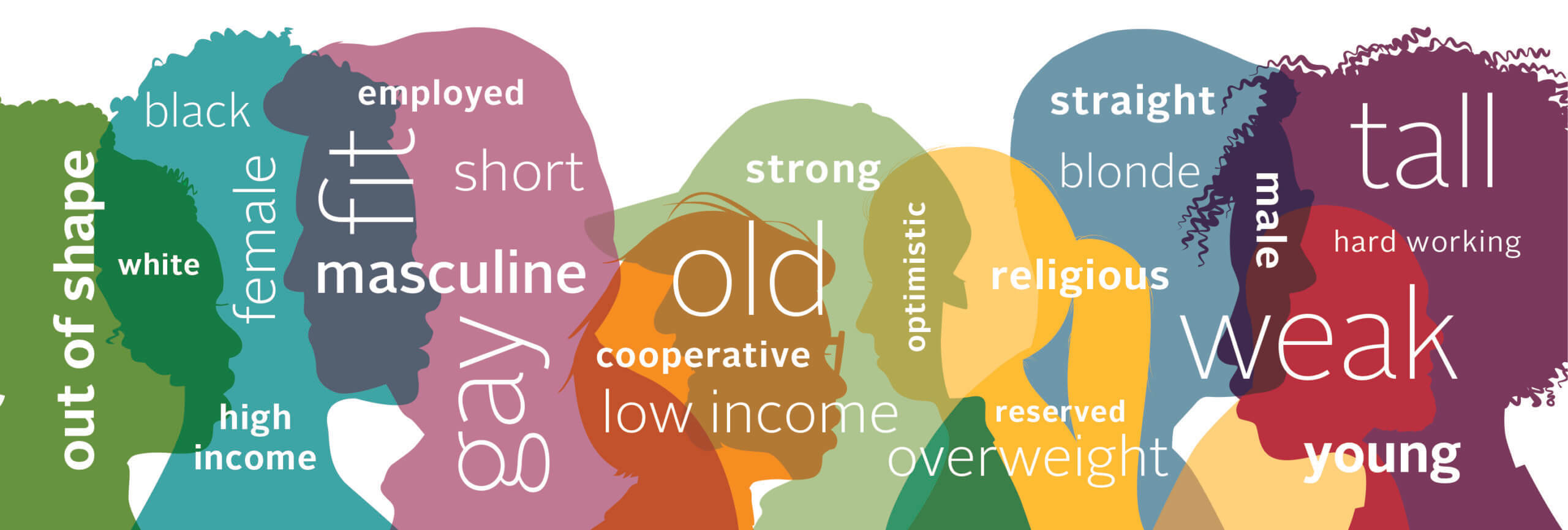
This inquiry project made me reconsider the problems in the world that we overlook and the everlasting impacts of early childhood. As I was researching implicit bias, I saw what a big impact that it has on the world, causing discrimination, hate and war. I was shocked to discover how easily biases are exposed to humans, making it almost impossible to see the world any other way, besides categorizing groups of people. With researching early childhood education, I was able to realize what a big impact the things we learn when we are kids can stay in our core beliefs when we grow up. As we are constantly being exposed to implicit biases, by influence from adults, media representation and educational environments, we are prone to judge other people based on race, ethnicity, gender, religion, socioeconomic background and educational background. This changed how I see humans. Rather than seeing a racist individual as a bad person, I see them as somebody who was badly influenced or exposed to the wrong things in childhood which has impacted how they see others and the world. While I cannot condone their behaviour, I have realized that society has almost made it impossible for humans not to judge marginalized groups.
c. How did this investigation impact your future decisions?
This investigation has reaffirmed that I am going into neuroscience, the study of the brain and that I am going to specialize in early childhood education. I have seen the lasting impact of things that we learn in childhood, such as the way we see ourselves, others and the world. I have realized how many problems this can create in later life and how it can be preventable. I want to work in this field to solve mental health struggles and worldly challenges. It has always been my goal to help other people within my career and I believe that this is the way that I can achieve that goal, because it is an area of interest for me.
d. What impact will this investigation have on others locally and/or globally?
I believe that my research could help the world understand how many problems could be prevented if we valued early childhood education. With proper caretakers, educators and social environments, we could prevent future discrimination in the world and mental health struggles. I believe that my research is such a small niche topic, but it could have a lasting impact on the world. Even more so, it could help us better understand humans and why we are so quick to judge or make assumptions about other people. My research on implicit bias has proven that humans cannot completely control their decision-making and how they see others. If anything, this project can help promote peace and open-mindedness. It is not necessary to force others to be more accepting, because it is practically impossible if it has entered their core beliefs, but rather understanding why we see the world the way we do, can encourage growth.