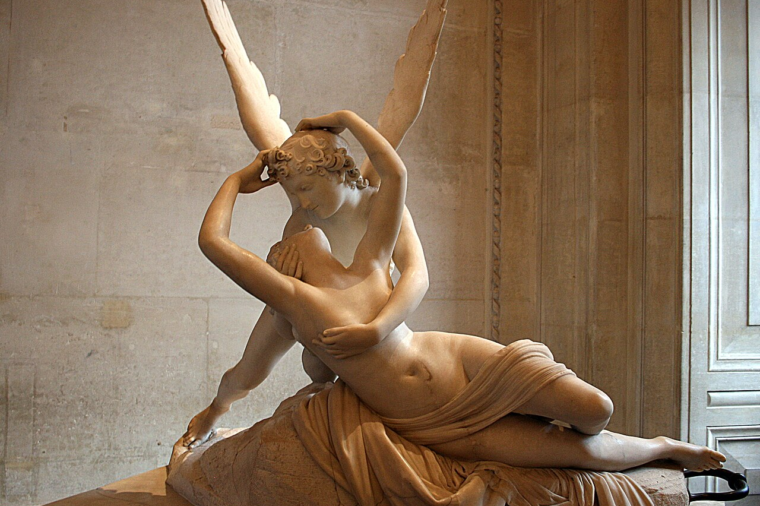
Header Photo is Psyche Revived by Cupid’s Kiss by Antonio Canova c. 1800; Psyche is Cupid’s immortal wife. Good for him.
To restate, my inquiry question is “Why do people love love and why is it everywhere?” (or its alternative title, “The Underlying Purpose to Life”) The three steps for my research all correlate to the blog’s chapter title and its general theme. While these don’t look like steps, this is how my brain works best. By sectioning off parts of things to write, I can then figure out what works best in what areas. For example, a line written in one paragraph could work significantly better in a different chapter’s paragraph.
- Chapter I: The Sweetness of Romance
A general introduction chapter that talks mainly on romantic love. It’ll start with a deep dive into the biology of romantic love, as well as the historical presence of such. From Adam and Eve, to the renaissance, to the modern day, we can find pieces and themes of love in every single era. This is also the chapter/blog post where I talk the most about my inquiry question, since romantic love is a catalyst for every other type of love.
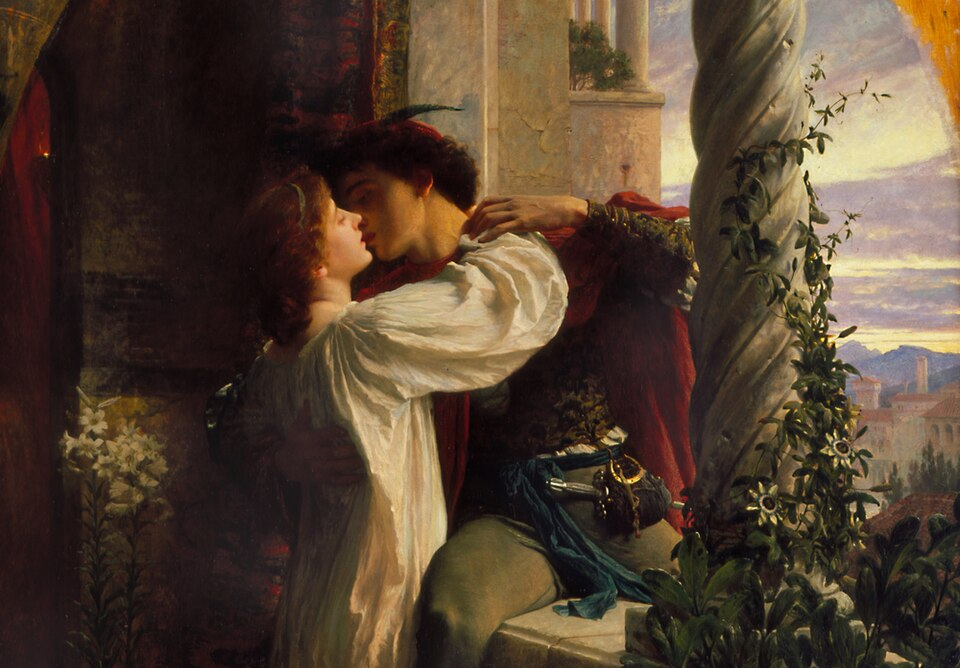
Romeo and Juliet by Frank Dicksee c. 1884; Romeo and Juliet are often the archetypal couple when it comes to romance.
- Chapter II: Of Passion and Companions
This second chapter covers two different types of love, these being companionship (platonic/compassionate love) and passion (autotelic love.) Two very important types of love, and while they may not be romantic, they can exhibit similar emotions and actions to being in love. For one, humans are pack animals. While introverts exist, everyone wants someone to talk to; someone that they can be themselves around. Passion is a very human thing, too. Take painting: during the romance era of humanity, painters and artists were generally quite poor, but they continued to paint either way. They loved their hobby too much for money or tragedy to take that away from them – and that, in itself, is a very special kind of love.
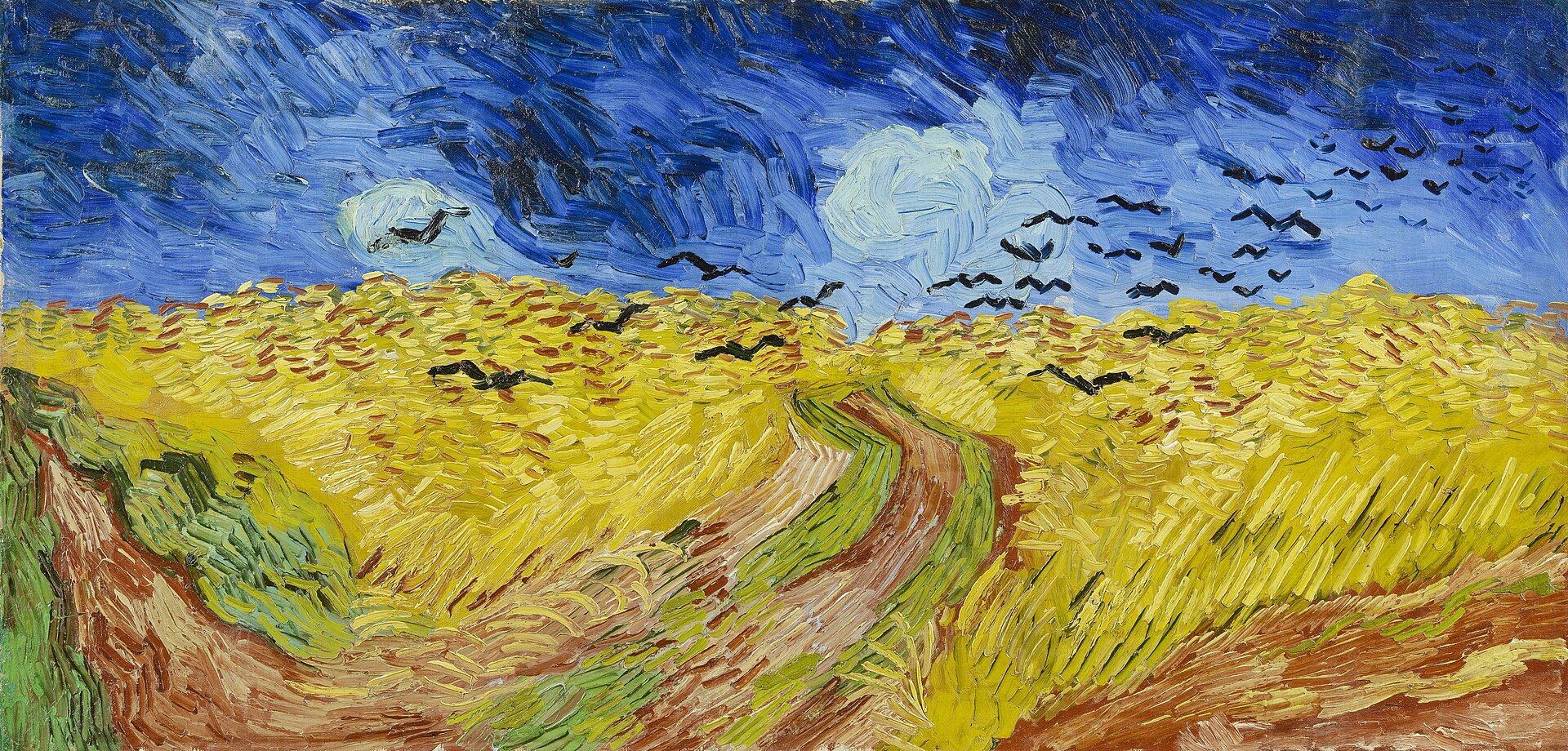
Wheatfield with Crows by Vincent Van Gogh c. 1890; This is generally believed to be Van Gogh’s last painting before his suicide, highlighting his dedication to the arts despite his mental problems.
- Chapter III: Tragedy, Limerence, And Everything In Between
The last chapter of my inquiry question covers anything that hasn’t been covered yet. Namely, tragedy (or heartbreak), limerence (or obsession), and the different types of love.* While loss and tragedy may feel horrible, it is an essential part of love. As they say, to love is to let go. As for its counterpart, limerence is loving someone or something to the point of addiction; the recent film Obsession (2026) explores this concept quite well. Various other types of love will be touched upon, too, such as puppy love (crushes and young love), being lovestruck (an intense and sudden rush of love), and self love.
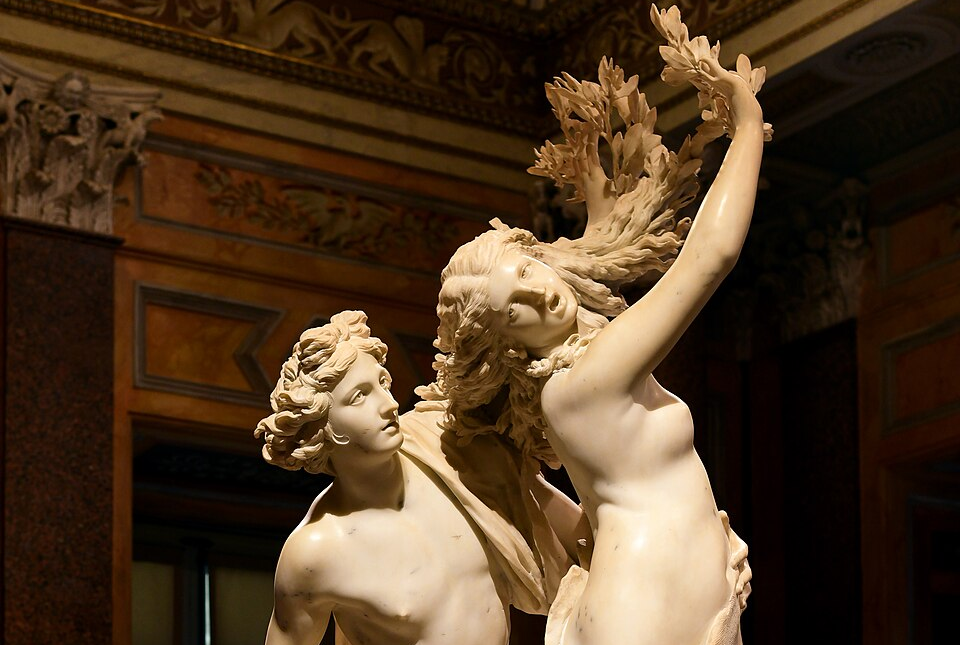
Apollo and Daphne by Gian Lorenzo Bernini c. 1625; the story of Apollo and Daphne involves cupid shooting an arrow of love at Apollo and an arrow of hatred at Daphne, creating an obsessive Apollo and a scared Daphne.
*As a fair warning, the topics are likely to change. Love itself is ever-changing, so this last conclusive-esque paragraph is bound to, too.
As said in my about me blog, love is my biggest moral. It’s a bit corny, I know, but it’s what I earnestly believe is the meaning of life. More interestingly, however, is how much it appears in life. Take the time think any piece of media, and you’ll find out that they all usually relate to one singular thing: Love. It’s also a topic I know, and don’t know, a lot about. Being an adolescent and all, I’m obviously discovering things about myself (for one, I’m bi), but that doesn’t mean I have to learn on my own.
There’s more to love that meets the eye, and I hope that you will soon see it, too.
Sources: