

Research – Room 201
Hi! For my third blog post, I will be researching and referencing some of the phycology behind my exposition, point of attack, rising action, climax, falling action and resolution!
Solitary confinement involves keeping prisoners isolated for 22 hours or more a day with very limited human contact. This type of isolation can have serious effects on a person’s mental health. Research has linked solitary confinement to anxiety, depression, emotional distress, and other psychological symptoms. This supports my choice of a solitary confinement cell as the setting for my psychological horror story. The isolation will help create an unsettling atmosphere before anything supernatural happens. [1][2]
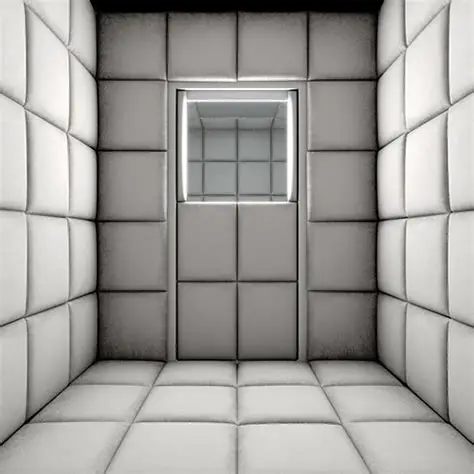
Research also suggests that prolonged isolation can affect a person’s mental state and perception of their surroundings. Without regular human interaction, a person may experience increased psychological distress and difficulty coping with their environment. This supports the point in my story where the protagonist begins noticing strange coincidences inside his cell and becomes increasingly suspicious of what is happening around him. [2][3]

As the story progresses, the protagonist will try to investigate the unusual events himself. Research on solitary confinement shows that isolation can contribute to psychological deterioration and increased distress. This helps make his growing fear and obsession with small details more believable. When his attempts to understand the situation fail, he decides to involve the prison staff. The United Nations’ Nelson Mandela Rules establish that prisoners should be able to make requests and complaints to prison authorities. This gives the protagonist a realistic reason to seek help from the staff. Their reaction can also make the situation more mysterious if they dismiss his concerns or cannot explain what is happening. [1][2]
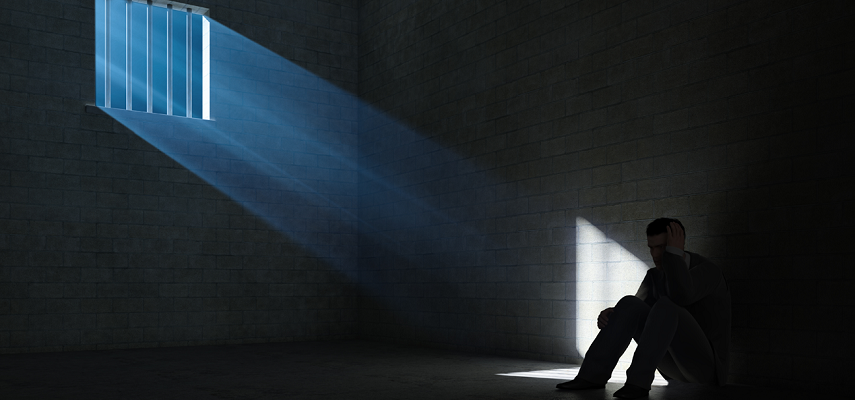
Overall, this research supports the psychological foundation of Room 201. Although the supernatural presence is fictional, the effects of isolation and the protagonist’s psychological reactions are based on real research. This will help make the horror more believable while keeping the mystery of what is actually happening in the cell.
References
[1] United Nations (2015). United Nations Standard Minimum Rules for the Treatment of Prisoners (the Nelson Mandela Rules).
https://digitallibrary.un.org/record/816764
[2] Luigi, M., et al. (2020). Shedding Light on “the Hole”: A Systematic Review and Meta-Analysis on Adverse Psychological Effects and Mortality Following Solitary Confinement in Correctional Settings. Frontiers in Psychiatry.
https://doi.org/10.3389/fpsyt.2020.00840
[3] Haney, C. (2018). Restricting the Use of Solitary Confinement. Annual Review of Criminology, 1, 285–310.
https://doi.org/10.1146/annurev-criminol-032317-092326
Thank you for reading!