Inquiry Question: How does sleep deprivation affect reaction time and decision-making in high-school athletes?
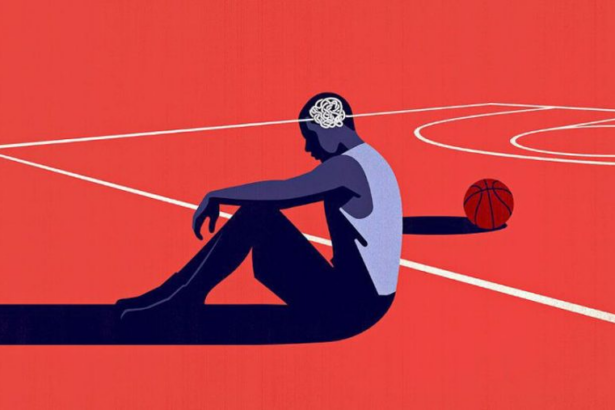
For my first round of research, I wanted to see what actually happens inside the nervous system when an athlete does not get enough sleep. In fast sports like soccer, basketball, or volleyball, you only have a split second to react to a pass, a shot, or a defender stepping up. When you are running on five or six hours of sleep after staying up late to finish homework, that reaction gets noticeably slower.
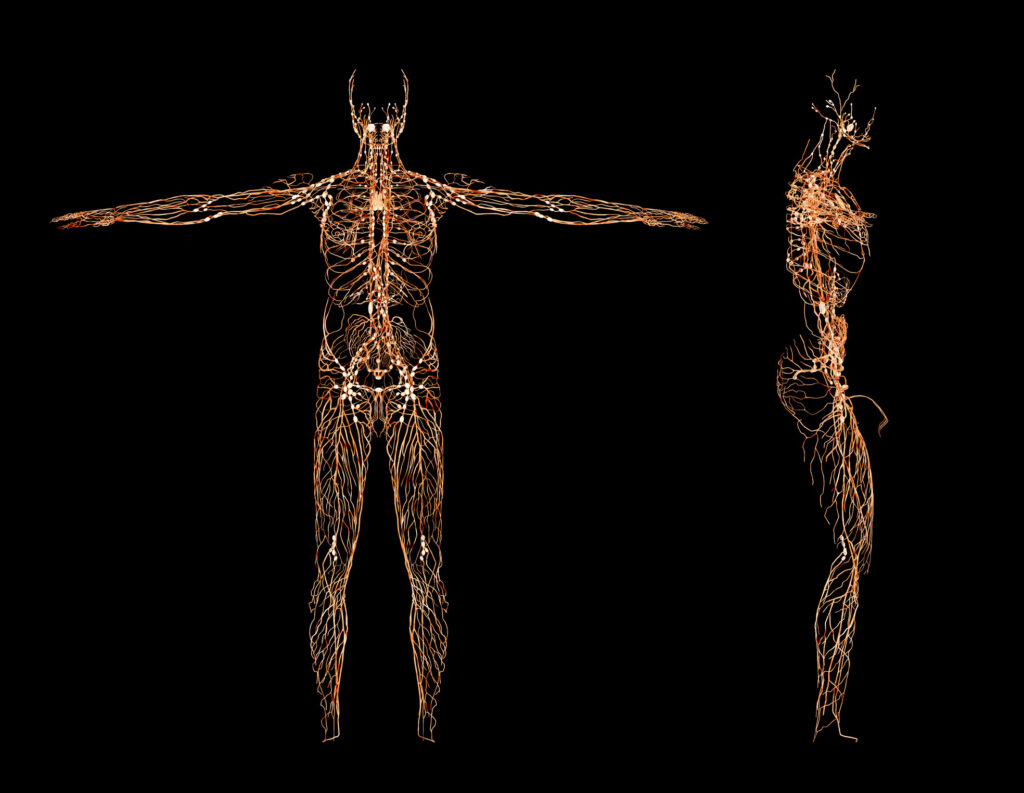
When you see a ball coming toward you, your eyes send that info to your brain, where the prefrontal cortex figures out what is going on and sends a signal down your spinal cord to move your muscles (1). Studies show that when you are tired, the neurons in your brain fire more slowly and weakly than normal (1). Instead of a fast signal, the message between your eyes, brain, and muscles gets delayed, which slows down your visual-motor reaction time (1, 2).
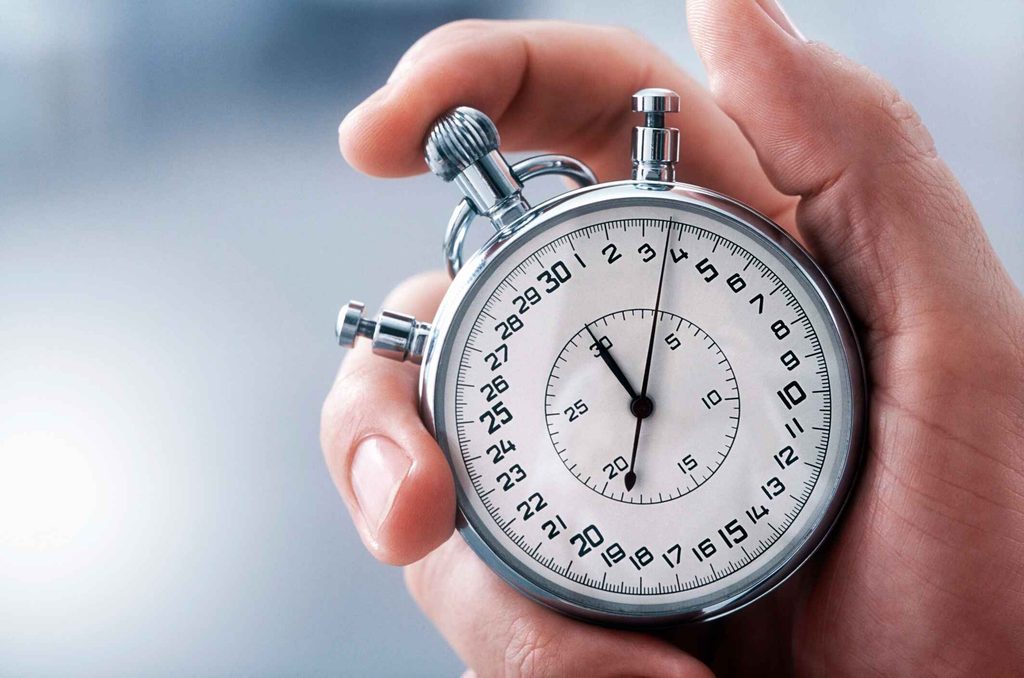
In sports science, researchers split this into simple reaction time and choice reaction time. Simple reaction time is just reacting to one basic thing, like sprinting when a whistle blows. Choice reaction time is what you actually use in a game, where you have to read a few options and pick the right play fast, like deciding whether to pass or shoot when a defender closes in (2). Research on student athletes found that even one night of bad sleep causes a big drop in choice reaction time, even when raw strength or sprint speed stays mostly the same (2). That is why a tired athlete can still run fast in a straight line, yet still get beaten to a loose ball or react too late on defense.
This gets even worse when sleep debt builds up over a normal school week. Teenagers have a natural body clock that makes it harder to fall asleep early, while early morning classes and practices cut sleep short (3). A study on basketball players showed that when athletes got more sleep over a few weeks, their reaction times got sharper and their shooting accuracy went up (4). Without enough rest, the brain has brief attention lapses where you miss things happening on the court or field without even realizing you zoned out for a second (1, 4).

Next, I will look at how this slower processing affects decision-making, spatial awareness, and mistakes during pressure moments in a game.
References
- Nir, Y., Andrillon, T., Marmelshtein, A., Suthana, N., Cirelli, C., Tononi, G., & Fried, I. (2017). Selective neuronal lapses precede human cognitive lapses following sleep deprivation. Nature Medicine, 23(12), 1474–1480. https://pubmed.ncbi.nlm.nih.gov/29106402/
- Taheri, M., & Arabameri, E. (2012). The effect of sleep deprivation on choice reaction time and anaerobic power of college athlete students. Asian Journal of Sports Medicine, 3(1), 15–20. https://pubmed.ncbi.nlm.nih.gov/23727260/
- Paruthi, S., Brooks, L. J., D’Ambrosio, C., Hall, W. A., Kotagal, S., Lloyd, R. M., … & Wise, M. S. (2016). Recommended amount of sleep for pediatric populations: a consensus statement of the American Academy of Sleep Medicine. Journal of Clinical Sleep Medicine, 12(6), 785–786. https://pubmed.ncbi.nlm.nih.gov/27250809/
- Mah, C. D., Mah, E. K., Kezirian, E. J., & Dement, W. C. (2011). The effects of sleep extension on the athletic performance of collegiate basketball players. Sleep, 34(7), 943–950. https://pubmed.ncbi.nlm.nih.gov/21731144/