1.) Where are you with your action? (e.g. what involvement have you had so far? Describe with examples)
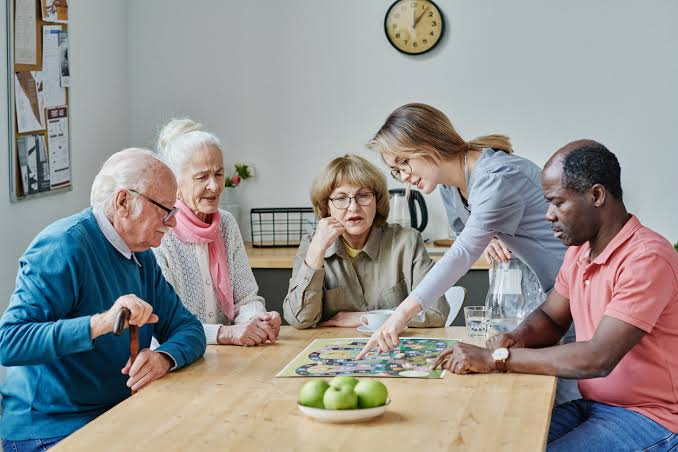
So far, my three peers and I have contacted a senior home facility that we plan on visiting for our project. We included detailed information like the reasons, benefits, and our goal. We have not heard back yet but plan on either calling them or switching to a different senior home. We have also have a date planned for when we will be visiting. A list of some activities that we will conduct is still in the process of brainstorming, but we do have a couple of ideas in mind. Moreover, we are waiting for a response back to help us finalize the list of activities. We are keeping in mind the comments and suggestions that we have received from other students in the class that can help make our project fulfill its highest potential.
2.) What are some successes that you have had? Provide specific examples.
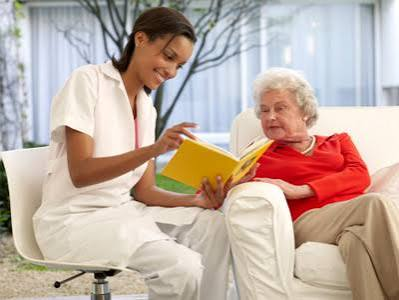
Some successes that we have had was agreeing to a place and time and contacting a senior home facility. We have made lots of planning on which senior home and which activities we will be doing with them. We brainstormed and sent a formal email to two senior homes and are some still waiting for a response. For the activities, we have some ideas like bingo, cards, karaoke, and many more!
3.) What are some challenges that you have faced? Have you been able to overcome them? If so, how? Provide specific examples. If not, can you problem-solve some ideas that might work for next time or if a similar situation arises? Again, provide specific examples.
One of the biggest challenges we faced was figuring out how to make our project feel fun and engaging rather than just another visit for the seniors that they wouldn’t enjoy. We also had to focus on creating activities in a way that was memorable and exciting, so that the seniors are able to interact and participate instead of just watching or listening from afar. For example, we are planning on making a karaoke session for the seniors to sing along and connect with friends while having a lively time. Research says that singing karaoke for those of old age supports cognitive health, emotional well-being, physical breathing, and social connection (1). Moreover, singing releases feel-good hormones like endorphins and serotonin, helping lift spirits, lower stress, and ease anxiety (2). Caregivers and activity directors often use large-print boards, thick easy-grip chips, or themed variations like musical bingo to match different vision and hearing levels (3). Playing for small prizes or bragging rights keeps the atmosphere supportive rather than stressful (4).
4.) What are you doing next and why?
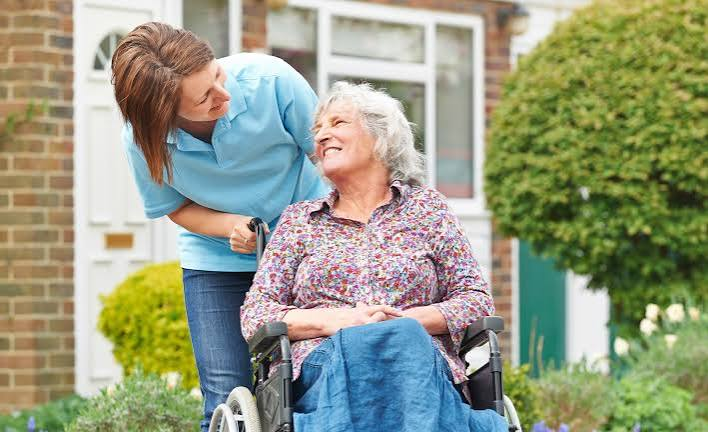
We are planning on hearing back from the senior home and discussing with them what date works best for them. Our next steps will be prepping our activities and finalizing our list. Coming up with which words to use for bingo, and which songs or rhythms they might like can be influenced by the suggestions that the senior home facility owners give us. Furthermore, we can do some more research on how we can work well with elders since we don’t have much of a background. These steps ensures that we are on track on working towards our goal which will help our project come to life!
2. https://archwellhealth.com/blogs/the-surprising-health-benefits-of-karaoke-for-older-adults/
4. The Benefits of Bingo for Seniors in Retirement Residences | Bonjour Residences