
1. Where are you with your action? What involvement have you had so far?
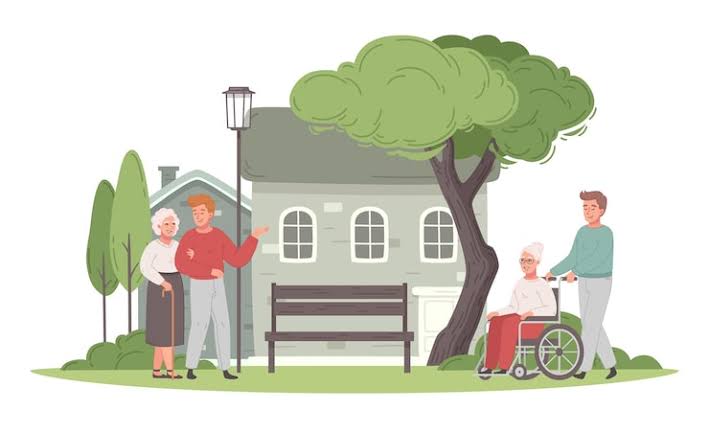
For our action project, my friends and I are planning to visit a local senior home to spend time with the residents and help reduce loneliness among older adults. So far, we have decided on the senior home we want to visit and have reached out to them through email to explain our project and its purpose. We are currently waiting for a response so we can confirm a date and discuss what activities would be appropriate for the residents. In the meantime, we have been brainstorming different ways to make our visit enjoyable and meaningful. Some activities we have considered include bingo, card games, karaoke, and colouring. We have also been looking at the feedback we received from our classmates to see how we can improve our plans. Although we haven’t completed our visit yet, we have made progress in organizing our project and are looking forward to putting our ideas into action.

2. What are some successes that you have had? Provide specific examples.
One of our biggest successes so far has been deciding on a senior home and taking the initiative to contact them. This was an important step because it brought us closer to turning our idea into an actual experience. Another success has been working together to come up with activities that would encourage the residents to interact with us and each other. Instead of simply visiting and talking with the seniors, we wanted to prepare activities that would make our time together more enjoyable. For example, we thought bingo would be a fun way to get everyone involved, while karaoke could allow residents to listen to familiar songs and sing along if they wanted to. I also think we have been successful in considering different perspectives while planning. Through the feedback we received, we realized that it is important to consider the residents’ interests rather than assuming they will enjoy everything we prepare.
3. What are some challenges that you have faced? Have you been able to overcome them?
One challenge we have faced is waiting for a response from the senior home. Although we have already contacted the facility, we cannot finalize our plans until we know what dates are available and what activities they allow. This has made it a little difficult to move forward with certain parts of our project. However, instead of waiting without doing anything, we have been using this time to brainstorm activities and think about the materials we might need. If we do not receive a response soon, we plan to follow up with a phone call to make sure they received our email.
Another challenge is figuring out how to plan activities that will be enjoyable for residents with different interests and abilities. Since we don’t have much experience organizing activities specifically for seniors, we want to be careful about choosing activities that everyone can participate in comfortably. For example, some residents may enjoy singing karaoke, while others might prefer quieter activities such as colouring or playing cards. To overcome this, we plan to prepare several options and ask the staff for suggestions before making our final decisions.
While researching, I learned that social activities can provide opportunities for seniors to interact with others and stay connected to their community (1). This encouraged us to consider activities that are not only entertaining but also allow residents to connect with the people around them. I also found that the Alzheimer Society of Canada encourages care homes to plan activities based on each resident’s interests and abilities (2). This could help us overcome our challenge of making sure everyone feels included by offering different activities and allowing residents to choose what they enjoy.
4. What are you doing next and why?
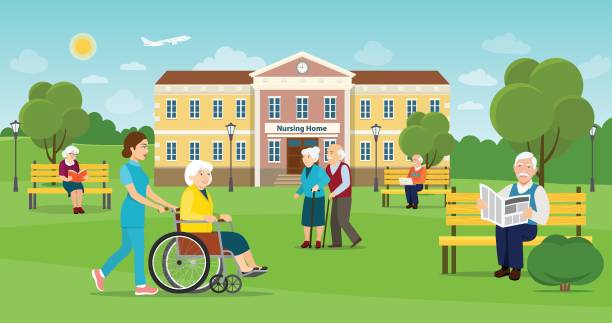
Our next step is to follow up with the senior home and confirm a date for our visit. Since we have already chosen the facility and contacted them, we can now focus on preparing the activities and organizing the remaining details. Once we hear back, we plan to ask the staff about the residents’ interests and whether there are any guidelines we should follow. This will help us decide which activities would be most suitable.
We will also divide responsibilities among our group members so everyone knows what to prepare. For example, some of us could organize the bingo materials while others prepare music or card games. We also want to do some additional research on how to interact with seniors, especially those who may have difficulty hearing or communicating. I think preparing ahead of time is important because we want the residents to feel comfortable and included throughout our visit. Ultimately, our goal is not just to complete a school project but to create a positive experience where we can build connections with members of our community.
References
- National Institute on Aging (n.d.). Loneliness and Social Isolation: Tips for Staying Connected. Retrieved from: https://www.nia.nih.gov/health/loneliness-and-social-isolation/loneliness-and-social-isolation-tips-staying-connected
- Alzheimer Society of Canada (n.d.). Providing Person-Centred Care. Retrieved from: https://www.alzheimer.ca/en/help-support/im-healthcare-provider/providing-person-centred-care

