

Hiii this is my 3rd blog post, I will be talking about the main ideas of my story. My story is fictional, in a fictional place with many fictional, magical animals like dragons. This is more about how different struggles she (main character) faces sways her to make different decisions throughout the story. This is just about the general of the different struggles, not to her personally. (Just as a little heads up, rumination means focus on negative thoughts). Anyways enjoy!
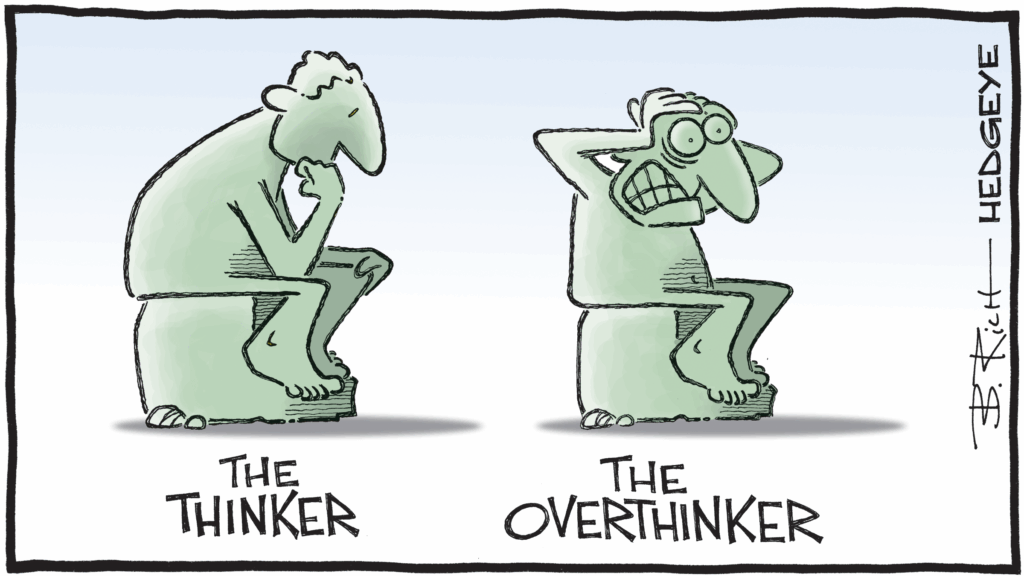
Overthinking (via Rumination / Repetitive Cognition)
- Rumination mediates the relationship between childhood trauma and later anxiety/depression. In non-clinical adults, higher levels of childhood trauma predicted more rumination, which in turn predicted greater anxiety and depressive symptoms.
- Impaired attentional control contributes to overthinking via rumination. People with poorer attentional shifting and focus tend to brood more, which mediates their depressive and anxious symptoms.
- Rumination is a transdiagnostic factor for both anxiety and depression. In longitudinal studies, rumination fully mediated the relationship between depression and anxiety symptoms in both adolescents and adults, showing its broad role in internalizing disorders.
- Overthinking increases sensitivity to stress. Individuals with generalized anxiety disorder or major depression ruminate more in response to stressful events, and this rumination predicts worse mood and symptoms later.
- Rumination escalates after stressful life events and predicts future anxiety. In both adolescents and adults, exposure to stress leads to more rumination, which then predicts increases in anxiety over time.

Self-Sabotaging
- Self-critical rumination increases distress after perceived failure. When people repeatedly reflect on their shortcomings (self-critical rumination), they experience significantly more shame and stress, especially under high-performance expectations.
- Trait self-critical rumination predicts greater acute distress. In an experimental task where participants anticipated failure, those with higher levels of trait self-critical rumination reported more distress after failing.
- Rumination (brooding) mediates perfectionism’s link to low self-esteem. Self-critical ruminative thoughts and metacognitions about them explain how perfectionistic tendencies reduce a person’s self-esteem.
- Avoidance and rumination together explain some self-destructive patterns. Depressive rumination acts as an avoidance strategy: people ruminate and simultaneously avoid facing problems, reducing their motive satisfaction and contributing to depressive symptoms.
- Rumination contributes to suicidal ideation in perfectionistic, low self-esteem individuals. In depressed adults, the combination of perfectionistic concerns, low self-esteem, and high rumination was linked to greater suicidal thoughts.
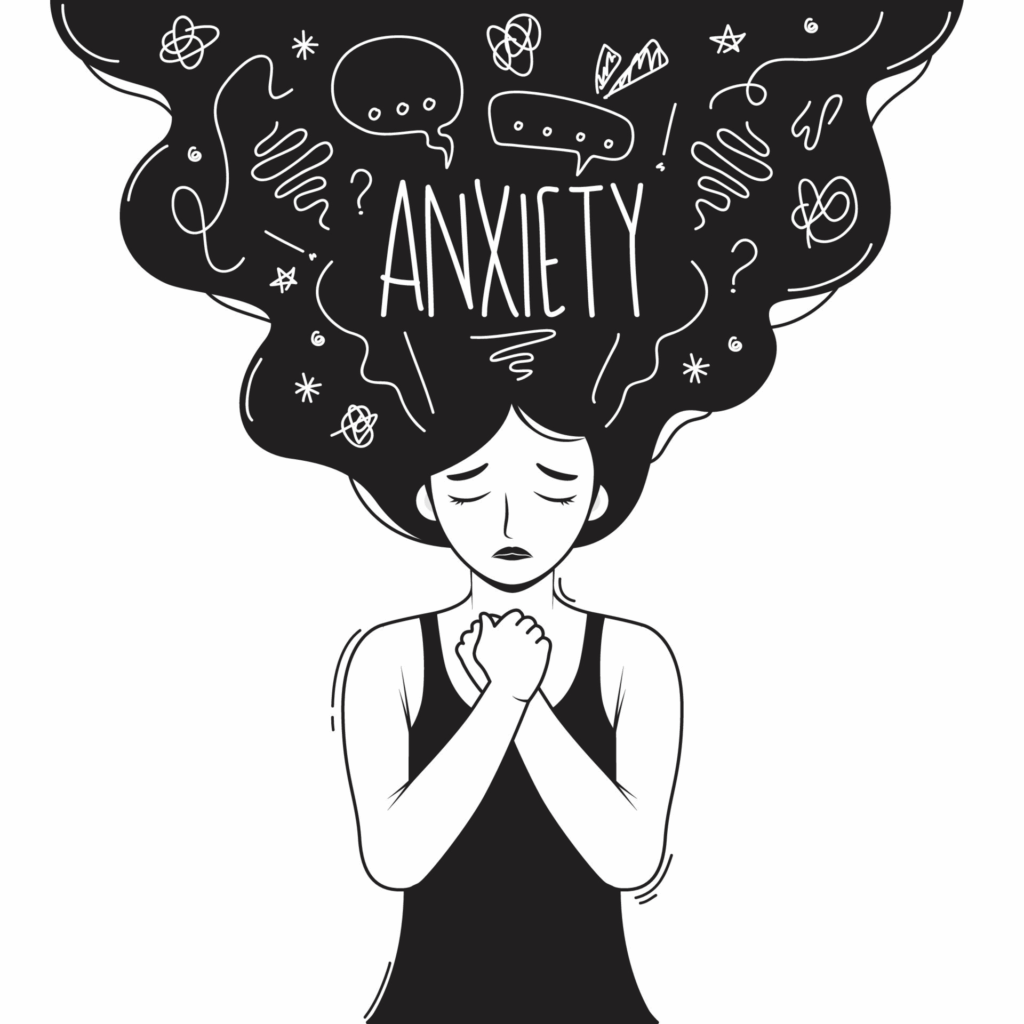
Anxiety
- Rumination predicts future depression and anxiety in adolescents. In a longitudinal cohort of at-risk adolescents, higher rumination at baseline predicted greater depressive disorder and anxiety symptoms a year later.
- Worry and brooding rumination interact to predict anxiety. University students who scored high in both worry and brooding-type rumination reported higher levels of trait anxiety and depressive symptoms.
- Rumination increases stress reactivity in anxiety disorders. People with generalized anxiety or major depressive disorder who ruminate more after stressful events show poorer emotional recovery and higher symptom levels.
- Rumination mediates link between stress and internalizing symptoms. Stressful life events predict increases in rumination, which in turn predict heightened anxiety in both adolescents and adults.
- Brooding rumination is associated with comorbid anxiety diagnoses. In a clinical sample, brooding (a maladaptive form of rumination) correlated with generalized anxiety disorder and other anxiety-related symptoms.
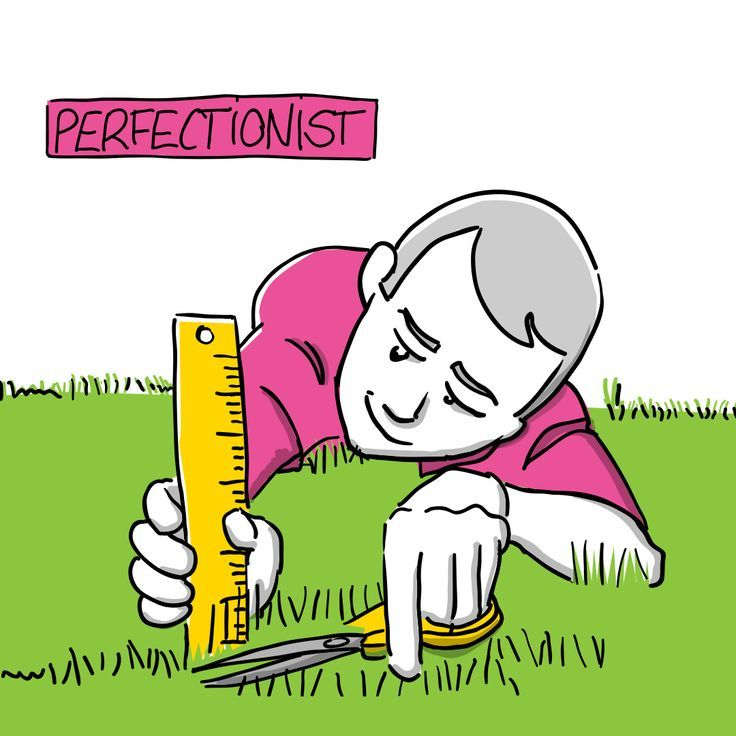
Perfectionism
- Perfectionism, rumination, and work addiction are connected. Individuals with high perfectionism tend to ruminate (especially brooding), which partially mediates their risk for work addiction.
- CBT targeting perfectionism reduces rumination and anxiety. In a randomized controlled trial, group CBT for perfectionism decreased participants’ rumination, anxiety sensitivity, social anxiety, and concern over mistakes.
- Rumination partially mediates the relationship between perfectionism and social anxiety. Evaluative concerns perfectionism (fear of being judged) predicts more rumination, which then contributes to social anxiety.
- Perfectionism, rumination, and depressive/social anxiety symptoms are linked in social media users. Among social media users, dimensions of perfectionism correlated positively with rumination and with both depression and social anxiety.
- Cognitive avoidance leads to rumination through perfectionism and stress. Avoiding distressing thoughts (cognitive avoidance) predicts greater rumination, mediated by both perfectionistic tendencies and stress.
- An, D., Wang, J., Xia, Y., & Xing, W. (2025). The effect of cognitive avoidance on rumination in college students: the chain mediating role of perfectionism and stress. Frontiers in Psychology. PMC12345464. PMC
- Yilmaz, A. E. (2015). The Role of Worry and Rumination in the Symptoms of Anxiety and Depression. Turkish Journal of Psychiatry. Turk Psikiyatri
- Abdollahi, A., Hosseinian, S., Panahipour, H., & Allen, K. A. (2021). Cognitive behavioural therapy as an effective treatment for social anxiety, perfectionism, and rumination. Current Psychology. Monash Research
- Hong, R. Y., & others. (2010). Rumination as a transdiagnostic factor in depression and anxiety. (Longitudinal studies) Journal. PubMed
- Hankin, B. L. et al. (2013). Rumination mediates the link between stressful life events and internalizing symptoms in adolescents and adults. Journal of Abnormal Psychology. PubMed
- Watkins, E., Moulds, M., & others. (2009). Depressive Rumination and Co-Morbidity: Evidence for Brooding as a Transdiagnostic Process. Journal of Rational-Emotive & Cognitive-Behavior Therapy. Springer Link
- Kuehner, C., & Huffziger, S., & Kirschner, J. (2013). Rumination predicts heightened responding to stressful life events in MDD and GAD. Journal. PubMed
- Nolen-Hoeksema, S., & others. (2013). Rumination, anxiety, depressive symptoms and subsequent depression in adolescents. BMC Psychiatry. BioMed Central
- Smith, J., & others. (2024). Perfectionism and Suicidal Ideation in Outpatient Depressed Adults: moderation by self-esteem, loneliness, and rumination. Journal of Rational-Emotive & Cognitive-Behavior Therapy. Springer Link
- Schaefer, C., & others. (2021). The effect of state and trait self-critical rumination on acute distress. Journal of Rational-Emotive & Cognitive-Behavior Therapy. Springer Link
- Gilbert, P., & others. (2015). Effects of self-critical rumination on shame and stress: experimental study. Behavioural and Cognitive Psychotherapy. Cambridge University Press & Assessment
- Fearn, M., Marino, C., Spada, M. M., & Kolubinski, D. C. (2021). Self-critical Rumination and Associated Metacognitions as Mediators of the Relationship Between Perfectionism and Self-esteem. Journal of Rational-Emotive & Cognitive-Behavior Therapy. PubMed
- Egan, S. J., Wade, T. D., & Shafran, R. (2015). A randomised controlled trial of group CBT for perfectionism. Behaviour Research and Therapy. PubMed
- Pirbaglou, M., Cribbie, R., Irvine, J., Radhu, N., Vora, K., & Ritvo, P. (2013). Perfectionism, Anxiety, and Depressive Distress: Evidence for the Mediating Role of Negative Automatic Thoughts and Anxiety Sensitivity. Journal of American College Health. Cribbie Lab
- Tavousi, M. N., & Hashemi, N. S. (2024). The Relationship between Perfectionism and Depression and Social Anxiety: The Mediating Role of Rumination. Journal of Assessment and Research in Applied Counseling. KMAN Publications
- Huang, T., Tan, R., Gao, H., et al. (2025). How Rumination Affects Suicidal Ideation: A Moderated Mediation Model. BMC Psychiatry. BioMed Central
- An, D., Wang, J., Xia, Y., & Xing, W. (2025). Cognitive avoidance → perfectionism → stress → rumination. Frontiers in Psychology. PubMed
- (Same as #1) PMC
- (Same as #3) Monash Research
- (Same as #4) PubMed


You did a great job connecting your fictional story to real mental health concepts. I noticed that the explanations for each idea were very detailed, and it shows you put a lot of thought into understanding how your character struggles shape her journey. Only thing I noticed you can add is trying to give an example of how a struggle shows up in your characters actions. Overall, very good job!