
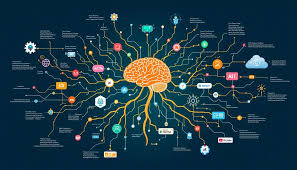
After identifying the topic I went forward and divided my topic into three so as to advance my research and also make it clear and more understandable. These subtopics are:
- Can an emotional AI be held responsible, and who takes the blame for its bad decisions?
Under this question i will be looking into AI is increasingly employed in high-stakes fields—such as therapy, education, and autonomous driving—where AI is expected to “feel” or “simulate” emotions to optimize interactions because as AI progresses from simple functional assistants to “relational presences,” the risk shifts from simple technological malfunction to subtle emotional manipulation and the exploitation of human vulnerabilities. - Can we blame an emotional AI, and who’s at fault when it messes up?
Under this question I’ll be looking into artificial systems where they imitate the expression of empathy but lack the conscious experience, intentionality, and moral accountability of human interaction.
3. Do current moral theories cover emotional AI, or do we need new ethics for non-human intelligence?
Under this question I will be looking into the state where humans develop emotional reliance on non-sentient machines that can mimic empathy but lack genuine emotional understanding.
IMPACTS OF RESEARCH TO THE COMMUNITY.
This research is important to the community because it exposes how humans may slowly replace real relationships with machines that only pretend to care. It warns us about losing genuine emotional connections, empathy, and social skills. If people rely too much on such machines, communities could become less human and more isolated. Imagine crying to a robot and it replies, “I understand,” but actually just runs code—kind of funny, but also scary. As a student, I think this pushes us to balance technology use. Otherwise, we might end up with perfect “listeners” but no real friends—basically upgrading loneliness with Wi-Fi.
SOURCES
3.https://medium.com/@efantinatti/ai-morals-from-philosophy-to-machinae-ac528d415bf1
4.https://www.linkedin.com/pulse/beyond-models-paradigm-shift-toward-human-centered-ai-javier-2qc2e/