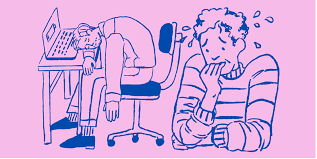

In this post, I will discuss a sub question that researches how the amount of sleep we get influences our mental health and emotional well-being, and the idea that the quality and consistency of our sleep can deeply affect the way we feel.
We all know that sleep has played a major role in our lives, sleep shapes our daily choices and emotional states daily. A common belief that pushing through with less sleep can lead to greater productivity and success in our future (5). As many chose to sacrifice sleep and feel that it created more time to complete work, it does not always guarantee a full-filling performance that is expected. A majority of people often spend time cutting back on sleep, think that avoiding sleep will provide them more time to get more things done, which often causes emotions and metal health to decline and to be controlled by how rested the individual is (3). Poor sleep often leads people to set unrealistic expectations in our minds about what we can handle, which often gives us a bad ideology of life.
I decided to research whether getting the ideal amount of sleep (7-9 hours) can bring us more emotional stability and mental clarity for our day to day life when compared to those who deprive themselves of rest (1). It has been proven that resting and getting deep sleep is seen to restore our brains which helps regulate our emotions and helps form meaningful connections in our lives, which was said by Dr. Matthew Walker (1). In some cases, people may often focus deeply on productivity which can lead to the opposite direction from healthy habits such as a good sleep schedule. These bad cycles often lead to a lack of sleep causing mental exhaustion which ties into many other factors. Sleep is not just a luxury because depending on how we prioritize it, it can either enhance or decline how we feel everyday. By allowing ourselves to get good amounts of rest, our brains correspond to this which determines how we react around certain things on a daily basis. Our brains enjoy being well rested and have been wired to process these emotions overnight(5). The amount of sleep helps power your brain as it mainly relies on sleep for emotional regulation (5).

As we just stated, sleep is seen to be one of the most essential needs in out world, as we see how a lack of sleep can affect our emotions and mental heath daily. As more people question is the results from sleep loss are immediate, rest is also needed for basis functionality. Sleep deprivation causes our bodies to feel an unrealistic sense of emotional pressure with more stress than usual (1). If you continue to believe that you can function well on small quantities of sleep, you will remain in the same cycle constantly pushing yourself harder while only getting worse (2). The less sleep that you get, the more tired you are which means the more irritable you are (5). Everyone thinks that they can push through sleep deprivation, but in reality no one can.
The belied that the more sleep that you sacrifices shows how dedicated you are to something is unrealistic and unhealthy when it comes to the real world. This mindset often leads to dissatisfaction and unrealistic norms due to this (5). A common mindset is “I’ll sleep when I’m dead,” which refers to when people are more focused on what they can accomplish, rather than how they currently feel. Studies have shown that once the minimum requirement of sleep is consistently met, the connection between a person’s emotional health and daily functioning becomes significantly stronger (3). Sleep deprivation controls peoples minds, which causes constant circulation of thoughts about anxiety, stress, and inability to cope. As we chase productivity by cutting sleep, we allow for exhaustion to have more of a toll on our lives. We let tiredness choose our decisions and emotions, always leaving us searching for more energy (2). Buying energy drinks and coffee to replace sleep is unrealistic as it is not a true substitution for rest. By believing that we can replace sleep, it leads to a mindset and lifestyle that focuses on short-term work rather than the long-term well-being of our mental health. Sleep deprivation can cause people to overreact emotionally, struggle with focus, or act impulsively (5). This may look productive on the outside; however it has its negative effects on ourselves too.

Eventually individuals will start to realize that emotional fulfillment doesn’t always come from how much we accomplish, but also from how well we take care of ourselves. Consistent and quality sleep will always matter more, which we often do not give credit for. According to the Sleep Foundation, most people say that they value their mental health; however, there are a significant amount of people that still believe they can sacrifice sleep without consequence (5). Focusing on your sleep through consistent bedtimes, screen time, and healthy habits help strengthen our emotional well-being while helping us feel a sense of control and balance. This fulfillment that we get from proper rest lasts longer and feels more meaningful. Sleep is not a luxury, but our relationship around how sleep can determine our mental health is something we should take more seriously (1). Collectively, we should consider that our sleep habits may not be healthy, and that we should have better ways to restore ourselves that are not caffeine and pushing through.
- https://www.sleepfoundation.org/mental-health
- https://pmc.ncbi.nlm.nih.gov/articles/PMC6996482/
- https://hbr.org/2018/02/senior-executives-get-more-sleep-than-everyone-else
- https://www.cbsnews.com/news/sleep-deprivation-mental-health-effects/
- https://www.healthline.com/health/sleep-deprivation/effects-on-body