Hello and thank you for taking the time to read my blog post. My inquiry question for this semester is “How does failure shape who we become?”. In this post, I will be focusing on the sub-question “What is failure and how does it affect us?”
Failure is something that people usually see as bad or disappointing. Many people think that failure means we are not good enough or that we did not achieve what we wanted to.. Experts who study the way people think and behave say that failure is more than just losing, it can change the way we think, learn and grow as people.

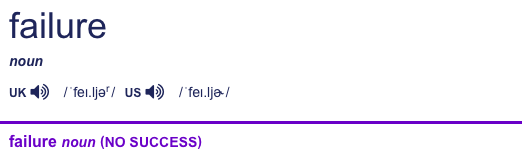
According to the American Psychological Association, failure is generally understood as the inability to meet an expected goal or standard (1). Even though failure can be frustrating, sad or stressful it also gives us a chance to think about what we did and how we can do better. Of being the end of success failure can be a part of learning and getting better.
One important idea connected to failure is the concept of a growth mindset, developed by Carol Dweck. A growth mindset is the belief that abilities and intelligence can improve through effort, practice, and persistence (2). People with a growth mindset are more likely to view failure as a chance to learn rather than as proof that they are unable to do something. Carol Dweck explains that when individuals see mistakes as opportunities for growth, they become more resilient and motivated to continue trying.

Failure can also have emotional effects on people. Research from the Harvard Business Review explains that failure often creates feelings of disappointment, fear, and self-doubt (3). These emotions can sometimes make us less confident and less willing to take risks. For example, a student who does poorly on a test may start to doubt their ability to do well and may avoid taking hard classes. If we can get past these feelings we can become stronger and more able to deal with difficult situations.
At the same time, failure can improve self-awareness. According to an article from Verywell Mind, failure forces people to reflect on their decisions, habits, and actions (4). Reflection allows individuals to identify weaknesses and discover what they need to improve. In many cases, people learn more from their failures than from their successes because failure encourages critical thinking and personal evaluation.

Another important effect of failure is resilience. Resilience is the ability to recover from setbacks and continue moving forward despite difficulties. Psychologists from the American Psychological Association explain that resilience develops when people adapt positively after experiencing challenges or hardships (5). Failure can help us become more resilient because it teaches us how to deal with obstacles, hard emotions and helps us keep going even when things are difficult. Over time, if we experience failure multiple times, we can become more confident in our ability to handle problems that come up in the future.

Failure can shape identity as well. Experiences of failure often influence the way people view themselves and the choices they make in the future. Someone who learns to overcome failure may become more determined, patient, and empathetic toward others. In contrast, if failure is handled negatively, it can lead to fear of trying new things or giving up easily. This shows that failure itself is not always harmful, it’s the way we respond to failure which is what truly matters.
Overall, failure is a powerful experience that affects people emotionally, mentally, and socially. While failure can be painful, it also encourages growth, resilience, and self-understanding. By learning from mistakes rather than fearing them, individuals can use failure as a tool for personal development. Understanding failure is important because it helps explain how setbacks can shape our character and influence who we become over time.
Thank you for taking the time to read my blog post. I hope you got to learn a little bit about failure and the affect it can have on us.
References
- American Psychological Association. “Failure.”
American Psychological Association - Carol Dweck. Mindset: The New Psychology of Success.
Mindset by Carol Dweck - “Strategies for Learning From Failure.” Harvard Business Review.
Harvard Business Review - “How Failure Can Help You Grow.” Verywell Mind.
Verywell Mind - American Psychological Association. “Building Your Resilience.”
APA Resilience Guide