
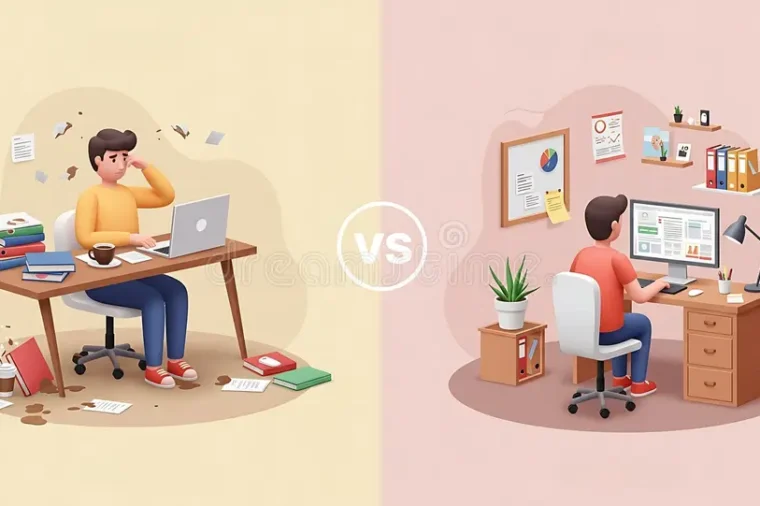
Welcome back to my blog! In this blog I will focus on environmental and social influences on procrastination. While psychological and biological factors are important, researchers also explain that a person’s surroundings, stress levels, technology use, and social environment can strongly affect procrastination habits.
One major environmental factor connected to procrastination is technology and social media. Modern technology provides constant access to entertainment and distractions, making it harder for people to stay focused on long-term goals. According to researchers, apps like TikTok, Instagram, YouTube, and gaming platforms are designed to provide quick rewards [1]. Because these activities are immediately enjoyable, people may choose them over difficult tasks such as homework, studying, or work assignments. This can make procrastination feel almost automatic in highly distracting environments.

Stress and pressure also play a large role in procrastination. Studies suggest that when people feel overwhelmed by large tasks, deadlines, or expectations, they may avoid the task entirely as a way to reduce stress temporarily [2]. For students especially, pressure to achieve high grades or fear of disappointing others can increase anxiety, which may then lead to procrastination. Although avoiding the task provides short-term relief, the stress often becomes worse later when deadlines get closer.
Researchers have also found that the environment people work in can affect productivity and focus. Loud spaces, frequent interruptions, lack of organization, and multitasking can make it difficult to concentrate [3]. Structured environments with fewer distractions can help reduce procrastination, for example, having a quiet workspace, creating schedules, and setting smaller goals may help people stay focused and motivated.

Social influences are another important factor. People are often influenced by the habits and behaviors of those around them. If procrastination is common among friends, classmates, or coworkers, it can start to feel normal or acceptable [4]. On the other hand, supportive environments with encouragement can motivate people to complete tasks more efficiently. Researchers say that positive peer influence and collaboration can help reduce procrastination by increasing motivation and responsibility.
Another factor is the increase in online learning and remote work. While technology can improve flexibility, it can also make procrastination easier because people have fewer direct reminders and less supervision [5]. Without clear routines or face-to-face accountability, many people struggle to manage their time effectively. This became especially noticeable during the COVID-19 pandemic, when many students reported increased procrastination while learning from home.

Overall, this round of research helped me understand that procrastination is not only caused by emotions or brain chemistry, but also by the environment people live in. Technology, stress, distractions, and social influences can all increase the chance of delaying tasks. This shows that procrastination is a issue shaped by both internal and external factors, which explains why it is such a common experience for so many people.
Sources:
- Procrastination | Psychology Today Canada
- Verywell Mind: Why Do People Procrastinate?
- Procrastination Solutions: Environmental Changes: Change Your Environment: Change Your Procrastination Habits – FasterCapital
- Full article: How do cognitive and social factors shape learning? Unpacking the roles of procrastination, social disengagement, academic burden and prior knowledge
- Relationship Between Procrastination and Stress Responses – ScienceDirect
Thank you for reading!

Hi Andrea! I really enjoyed reading your post and I like your question a lot. I can definitely relate to procrastinating even knowing what could happen, so it was nice to learn more about why this happens. I appreciate how in-depth you went with your research and the way you showed that procrastination is more than an internal thing. A great thing you could talk about in your Presentation of Learning is the mental effects of prolonged procrastination. I also have an article you could use to look into that more: https://www.ie.edu/center-for-health-and-well-being/blog/procrastination-psychology-effects-causes-strategies/
Good luck!