
Hello everyone and welcome to my first blog post!
This year, I chose to explore the connection between intense emotions and their effects on the human heart.
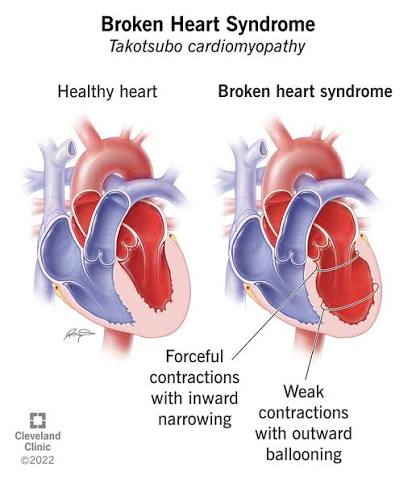
Inquiry Question: Since happy heart syndrome and broken syndrome tigger similar physical symptoms, what does this reveal about how the brain processes intense emotions and how chemicals released during extreme joy and deep grief can affect the heart?
This question has always intrigued me because it challenges the way we understand the relationship between our emotional and physical health. While happiness and grief are often viewed as complete opposites, both have surprisingly similar effects.
Throughout my research, I hope to understand how the brain responds to intense emotional experiences and communicates with the heart. Both ‘broken heart syndrome’ and ‘happy heart syndrome’ are forms of Takotsubo (TTS) syndrome, a condition involving the sudden weakness of one’s heart muscles. Grief, guilt, fear, and negative emotions are known to result in broken heart syndrome; however, recent studies confirm that positive emotions can also trigger the same problems. Researchers suggest that despite being emotionally opposite reactions, extreme joy and deep grief have similar brain-heart pathways, especially through the release of stress-related chemicals . This activates a brain-to-heart connection, particularly through the nervous system, as a surge of stress hormones (adrenaline) is released. These catecholamines (stress hormones) are often released during times of sadness, anger, celebration, reunion, and the occurrence of stressful situations. This raises questions about the role of stress hormones, and how their release during intense emotional experiences temporarily affects the hearts ability to function normally.
By exploring this topic, I hope to gain a deeper understanding of the brain-heart connection and why extreme emotions have such significant physical consequences. I also want to investigate why some individuals experience these conditions while others do not, and what this may reveal about the relationship between emotional intensity, the nervous system, and individual differences in how the body responds to stress.
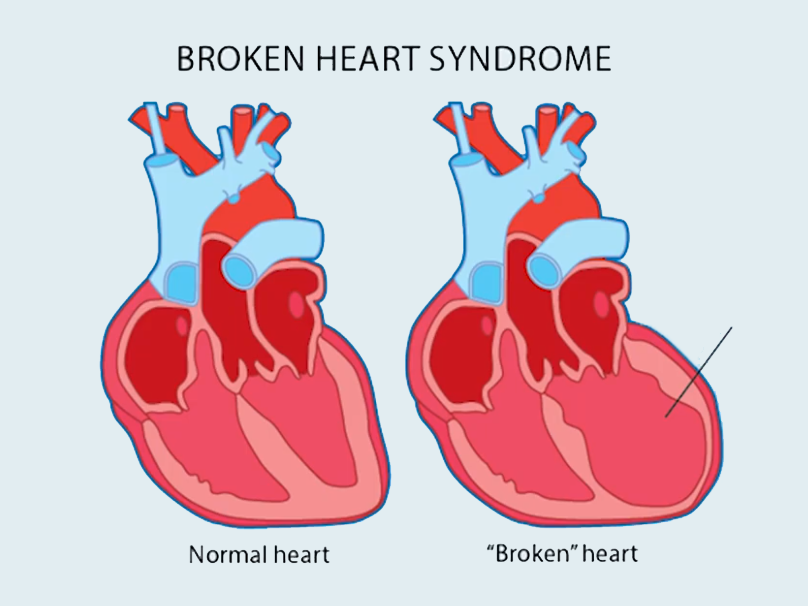
Ultimately, I chose this question as I want to better understand how closely our emotional and physical health are connected. We often think of emotions as psychological experiences, but research into these syndromes demonstrates that our feelings can have measurable effects on our bodies. Through this project, I hope to challenge my understanding of emotions while exploring the biological mechanisms that connect ones brain and heart. I also hope that learning more about such condiions will allow me to recognize the importance of emotional well-being and increase my awareness of how intense emotional experiences can affect physical health.
Thank you for reading my first post, I look forward to sharing my findings as I continue to explore this topic; understanding the connection between the brain, emotions, and the heart!