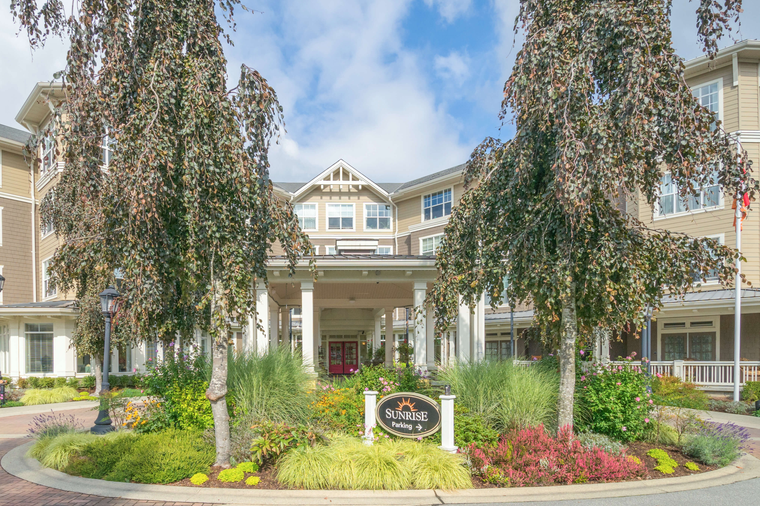
My peers Dara, Rima, and I are planning a community action project focused on visiting a local senior citizen home to help combat social isolation among older adults and foster meaningful intergenerational connections through shared activities, structured conversations, board games, storytelling, and music sessions. We will kick off our initiative by researching nearby senior living facilities and reaching out directly to their recreation or volunteer coordinators to pitch our project proposal, outline our planned activities, and coordinate around the facility’s schedule and safety guidelines to set up our pilot visit.
The TEDx talk’s core lesson that everything is complicated highlights how tackling social challenges requires looking far beyond good intentions, as human emotions, social systems, and institutional environments are deeply intertwined. In our project, we will face several layers of complexity, including strictly adhering to facility health rules, confidentiality standards, and safety guidelines. To add, we must navigate the diverse physical and cognitive needs of the residents, since an activity that engages one person might overwhelm another who is experiencing mobility limitations or memory loss. Balancing these varied needs alongside our own high school schedules while remaining respectful of the facility’s daily care routines adds another level of logistical coordination.
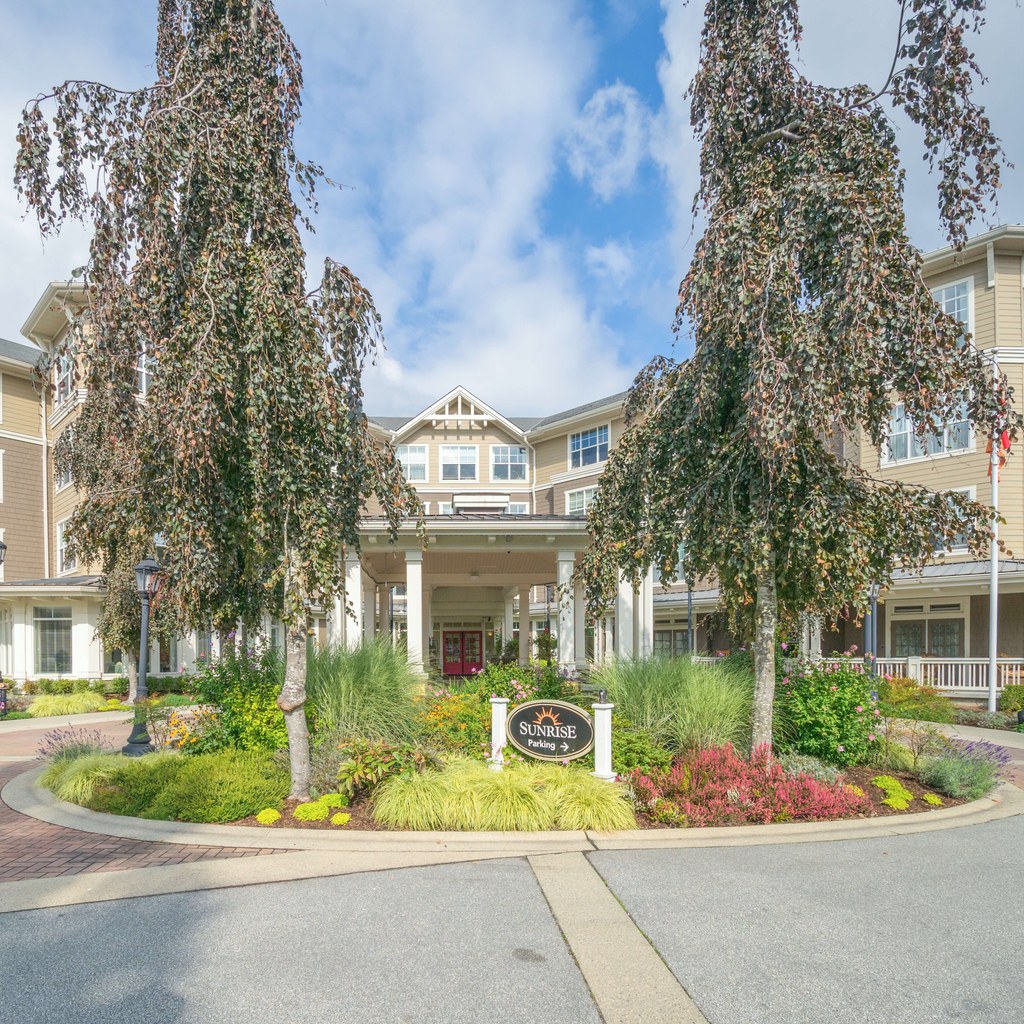
A single, isolated visit provides a temporary boost, but true community action requires long-term continuity to avoid fading away after our initial assignment. To ensure our action is sustainable, Dara, Rima, and I plan to establish a predictable, recurring schedule, such as monthy visits(if it works out), so residents can build trusting, reliable relationships with us over time.
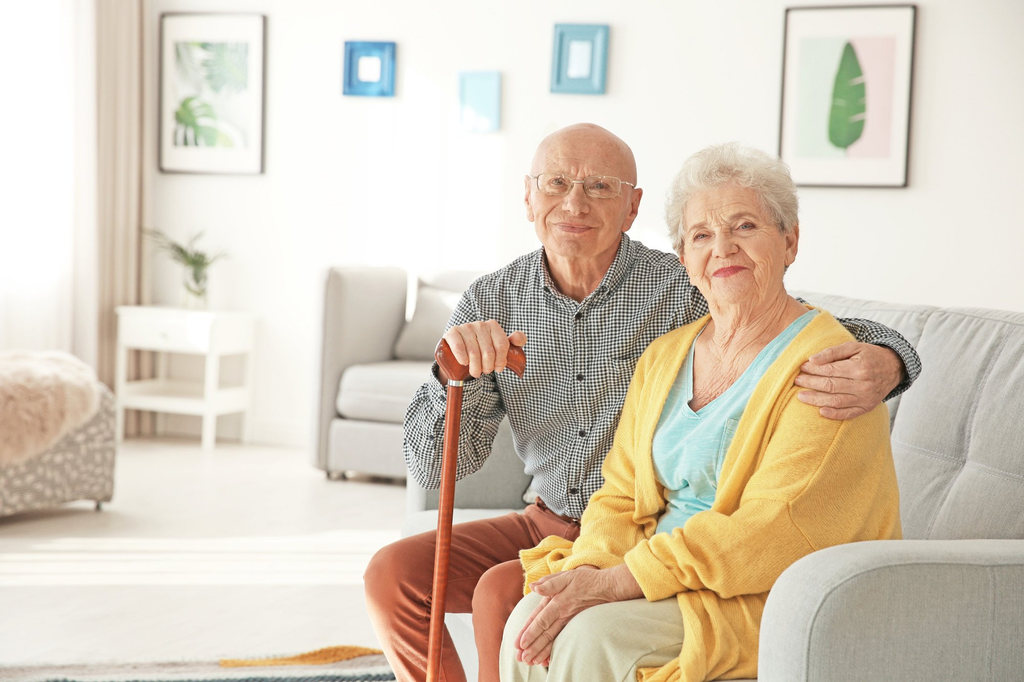
This project creates mutual growth and opportunities for everyone involved because it offers seniors mental stimulation, emotional warmth, and relief from loneliness, while helping us build deeper empathy, communication skills, and a deeper understanding of aging in our community. To ensure our impact is genuinely positive, we will collaborate closely with facility staff and recreation therapists to adapt our activities based on resident feedback. We will also prioritize active listening, patience, and full respect for each resident’s personal boundaries and personal comfort levels.
To strengthen our initiative, we plan to connect with a recreation coordinator, a director of care at a local senior residence, or a professional social worker specializing in gerontology. An expert in elder care can provide invaluable guidance on best practices for communicating with seniors, navigating cognitive health considerations, and designing activities that are both safe and deeply enriching for all participants.