
Round 1:
Exploring the role of religion in creating our society
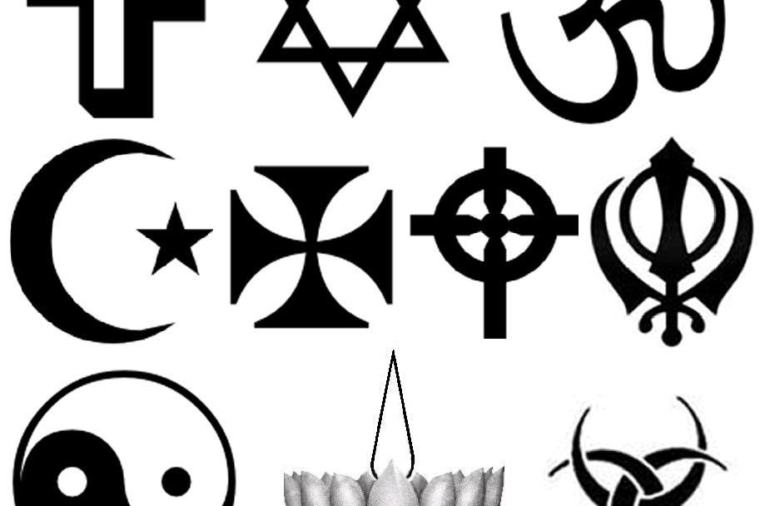
Religion has played a major role in shaping human societies for hundreds, even thousands of years. It’s influenced the way people perceive morality, family relations, the meaning of community, politics, education, and most importantly, the meaning of life (1). Although we see many societies in today’s world are becoming more and more secluded, and more diverse religions begin to surface, religion continues to shape individual and collective identities across the world (2).
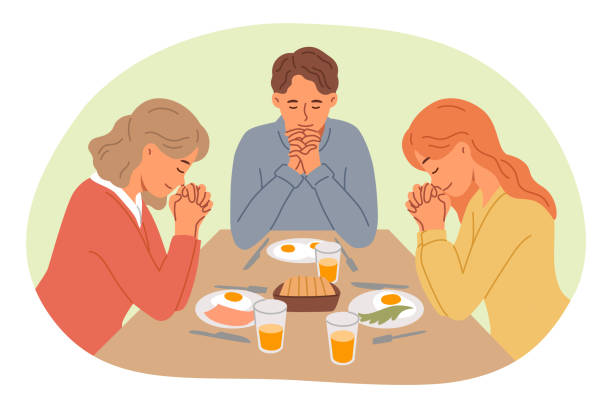
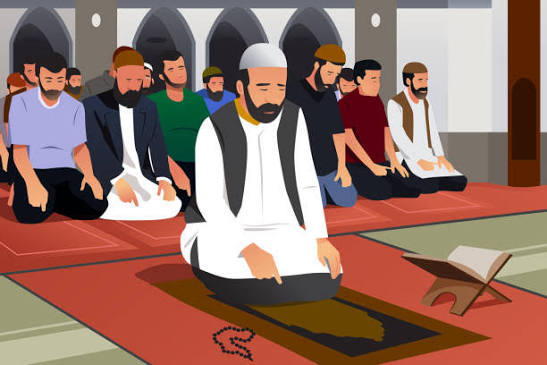
Religion just bring people together through shared traditions, beliefs, and celebrations. Holy spaces such as churches, mosques, and temples act as a space for people to gather and build relationships and guild one another (2). Often, these communities encourage people to volunteer and do charity to build society trust (3). Emile Durkheim once argued that religious rituals solidifies our society (4). When people gather together to share their beliefs, they strengthen their connection to one another.
Religious teachings has influenced core ideas about honesty, compassion, justice, responsibility, and so much more. They’ve also shaped laws and responsibilities regarding family responsibility, human morality, and social responsibility (literally the name of this course). However, certain religious groups may disagree over certain topics such as gender roles, sexuality, and individual freedom. Religion is not our only source of morality, though it is the biggest for most people. Philosophical thinking, personal principals, and cultural traditions also affect our modern ethical views (5).
Moreover, religious organizations have helped create schools, hospitals, charities, and so much more. They’ve also influenced political ideas (mainly Christianity), human rights, and the law itself (3). Some countries’ government still remain closely tied to religion whereas to other countries have seperated from the idea of religion influencing their government.
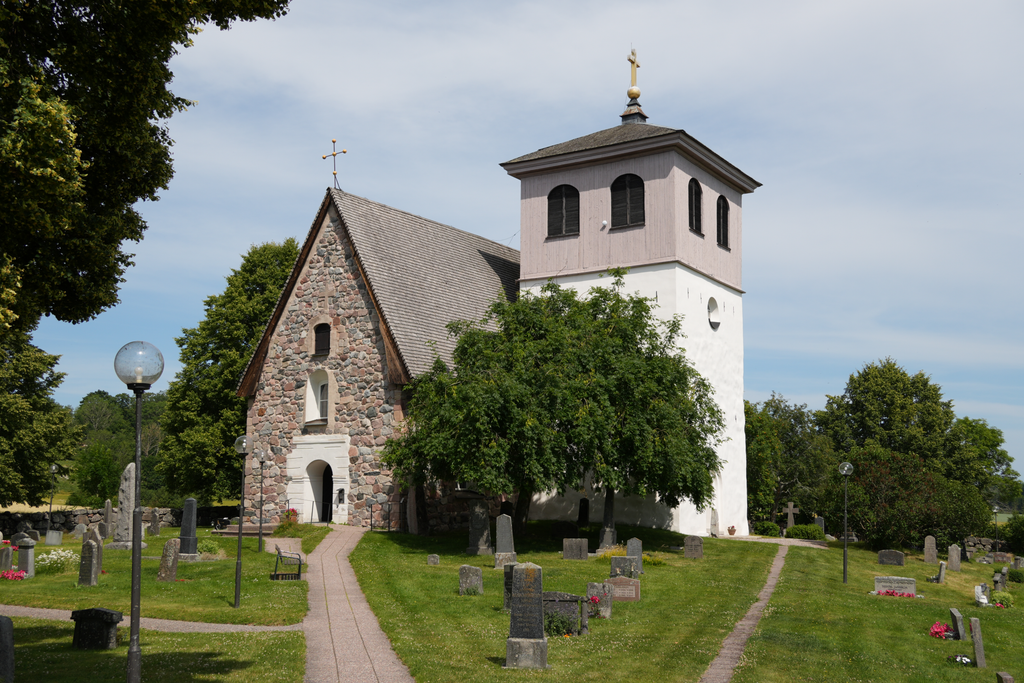
Most importantly, religion is a big factor in contributing to the creation of personal and cultural identity. We see music, clothing, food, holidays, traditions, and ceremonies all tied back to at least some sort of religion. Religious stories and festivities plays a crucial part in preserving a religion’s history and pass it through generations (1).
Yet religion is able to divide people just as easily and uniting them. Religious differences can and have been used to justify religious people being persecuted, discriminated against, and even being declared war upon (3). We’ve seen religious institutions promote violence rather against it, such as residential schools. And seen religious leaders encourage peace-building and nonviolent protests (6). Taking that information, religion shouldn’t be viewed as inherently good or bad, but rather how the teaching and beliefs are interpreted and used.
To conclude, religion has helped create our modern society by providing essentially the blueprint for our values, traditions, and the meanings of life. It has encouraged systems of community, charity, education, and sometimes necessary conflicts.We can’t say its influence is entirely positive or negative since it’s quite complex. Religion is reflected and exists upon those who practice it, and its effects is entirely dependent on how people apply it.
Sources:
1.
2.
3.
https://openstax.org/books/introduction-sociology-3e/pages/15-3-religion-in-the-united-states
4.
https://www.supersummary.com/the-elementary-forms-of-the-religious-life/summary
5.
https://plato.stanford.edu/entries/concept-religion
6.

