This round of research, I’ll be looking into how we dream, why we dream and all the different kinds with a short description of each type.
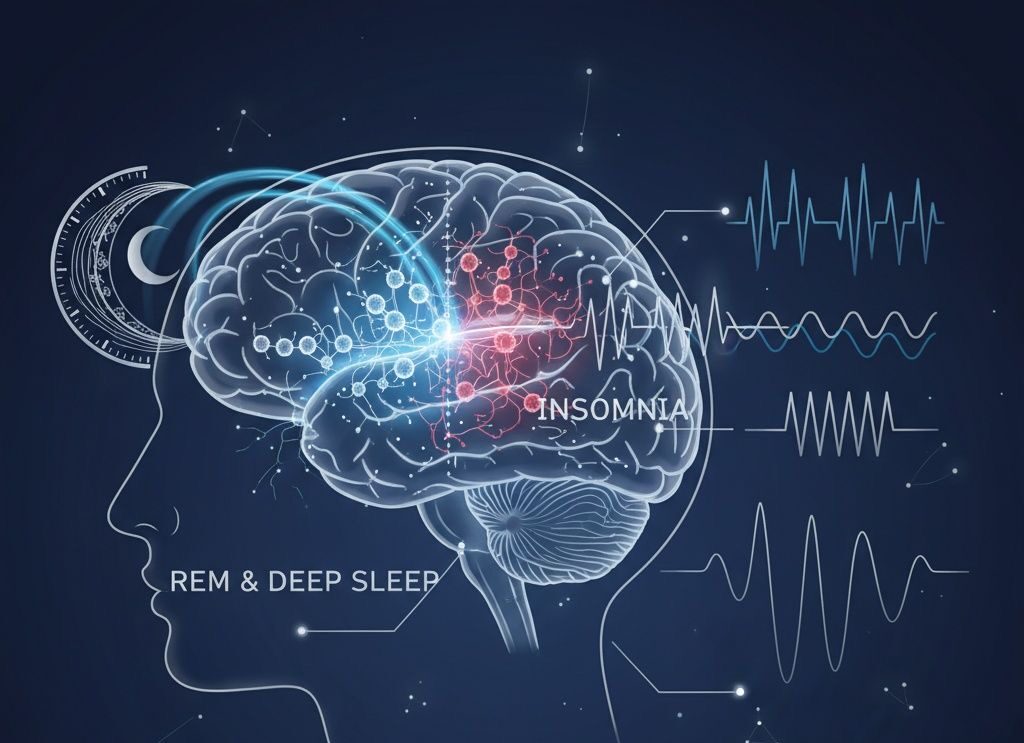
So, how do we dream? Is a question i’m wondering as well. When we dream we are dreaming while our sleeping brain generates images, stories and emotions, even though dreaming can happen any time while you are sleeping, most dreams occur during your REM sleep which stands for rapid eye movement. (1) REM sleep and dreaming happens in two different parts of the brain. The brainstem controls the physical sleep state while the forebrain creates the actual dreams. (1) Since they work separately, you can still dream without REM sleep, and you can go into REM sleep without dreaming.
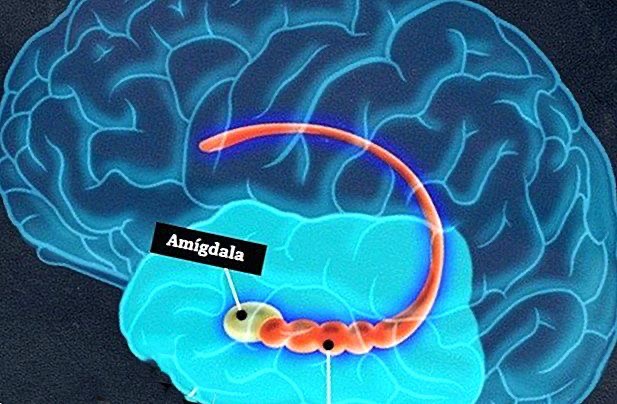
So why do we dream exactly? A theory is that dreaming helps you analyze memories such as skills and habits and serves as a “practice” or “rehearsal” for a variety of real-life situations, scenarios and challenges. Dreaming helps building memories, processing emotions, mental housekeeping, instant replays and incidental brain activity. (4) Some theories also shows that dreams rehearses responses to potential threats. One of the areas of the brain that’s most active during your dreams is your amygdala, The amygdala is the part of the brain associated with the survival instinct and the fight or flight response. Because the amygdala is more active when you are sleeping than when you are awake, it might be the brains way of telling you to be ready for any threats or challenges. (3)
Different types of dreams
What are the different types of dreams and what do they mean?
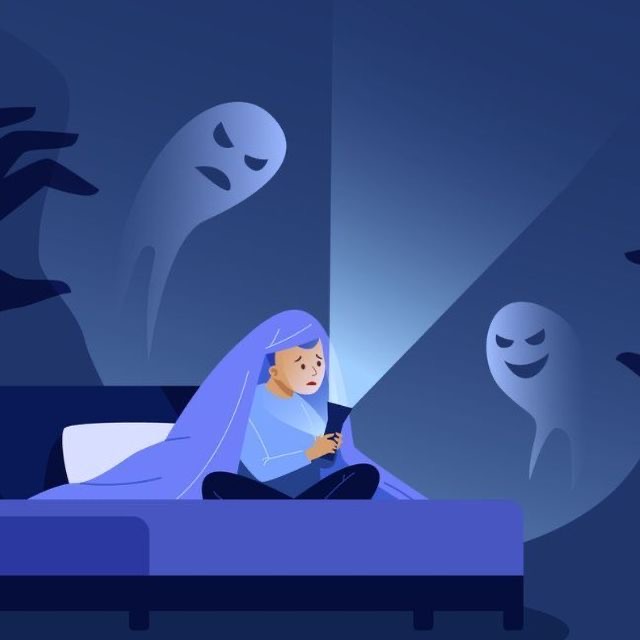
Firstly, the “standard” or “normal” dreams are the most common. Like I previously mentioned these are the dreams we typically experience replaying everday scenarios or unresolved thoughts or emotions. Again the “standard” dream usually happens during the REM stage of sleep. (1) Second, the Nightmares, nightmares typically happen also during REM sleep and can very unsettling, leaving a longing impression after you woke up. These dreams often thinks about common themes like falling, losing something or someone, being chased, anxiety, etc. Or even a traumatic event or time can also trigger bad dreams “Nightmares.” (3) Next, are night terrors, these are different from nightmares in that they occur in non-REM sleep. This type of dream is most common with children and usually includes intense feelings of fear. Unlike nightmares, night terrors are rarely remembered because they happen from a deeper stage of sleep such as sleep deprivation or sleep disorders. Lucid dreams, this type of dream is a unique type where if you were lucid dreaming you are aware that you are dreaming and can even influence the dreams content. After practice and patient, lucid dreams allow the dreamer to control and explore their imagination or facing their fears in a dream. This dream usually take place during the REM stage, for some people though it can cause bad sleep and emotion unease as the dream can start becoming too vivid or scary. (4)
Recurring dreams, this dream is like a way of pressing replay, like the title of this dream it reoccurs as in the dreams might repeat because recurring dreams often focuses on specific events that the unconscious mind is trying to process. The recurring dream happens during any stage of REM sleep. Common themes in recurring dreams could be getting chases, falling, etc, all related to some sort of stress and anxiety. (4)
Prophetic dreams, also known as precognitive dreams, are thought to occur when people are dreaming about future events. These dream can be really vivid and extremely memorable especially if they come true which brings me to Déjà vu, this isn’t necessarily a dream it is a feeling of familiarity in a current moment but I wanted to explain that déjà vu and prophetic dreams are in fact different and déjà vu isn’t considered a dream. Next is vivid dreams, these dreams feel detailed and real, making you take a second when you wake up to wonder if it was actually real and if it happened. False awakenings, these are when you dreamt that you woke up but you are actually still asleep. It feels like you are awake even though you are still dreaming which can surprisingly be disorienting and often leads to confusion. Lastly, daydreams unlike the other types of dreams i’ve mentionned that occur during sleep, daydreams are like an “escape” from reality when our mind wanders off from the present. Daydreams are actually thought to play an important in enhancing creativity and problem-solving ability. (4)
Sources:
- Cleveland Clinic. (2022, August 18). Why do we dream? Cleveland Clinic. Cleveland Clinic. https://health.clevelandclinic.org/why-do-we-dream
- James, H. (2025, May 19). The different types of dreams. The Sleep Matters Club. https://www.dreams.co.uk/sleep-matters-club/the-different-types-of-dreams
- Roland, J. (2017, August 22). Why do we dream? The role of dreams and nightmares. Healthline. Healthline. https://www.healthline.com/health/why-do-we-dream
- Suni, E., & Dimitriu, A. (2024, May 2). Dreams: Why we dream & how they affect sleep. Sleep Doctor Holdings. Sleep Foundation. https://www.sleepfoundation.org/dreams
This is all for my first round of research, talking about why and how we dream and most of the common types of dreaming and what they are. I hope some of you guys learned something new from my blog post because I sure did! Thank you for reading this post.