a. What challenges did you overcome throughout this action project? How did you go about
overcoming these challenges?
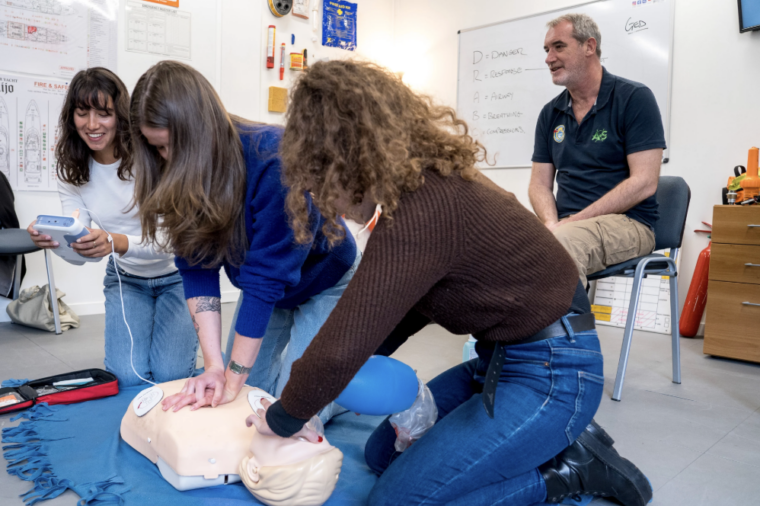
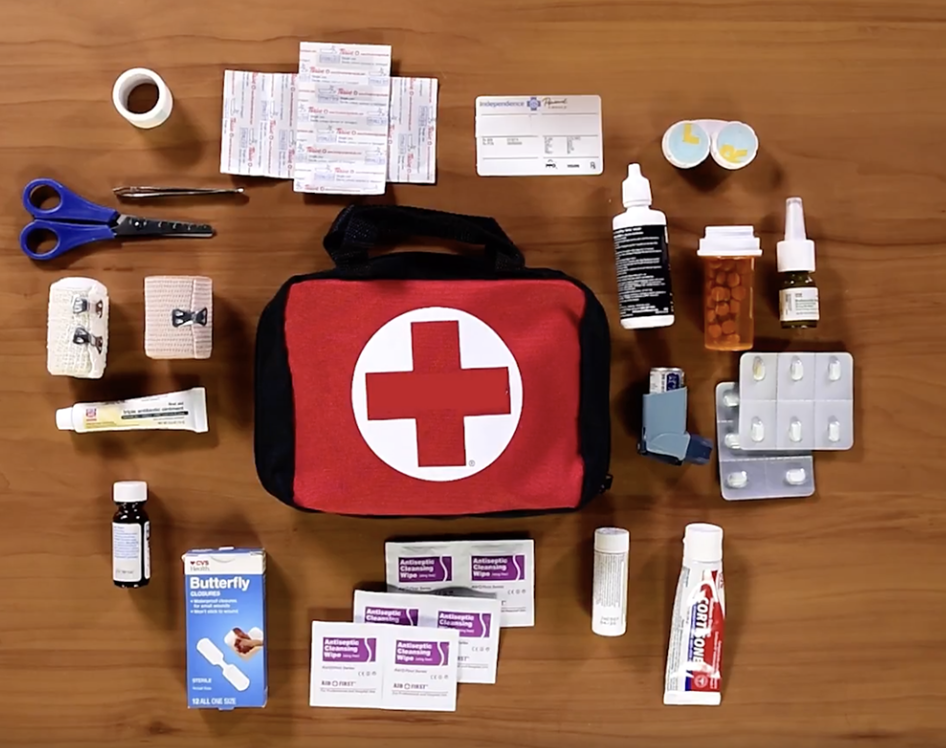
One of the biggest challenges during this action project was scheduling. Our goal was to volunteer by teaching first aid skills to elementary school students, but the session happened during a period when I had a class and could not attend. This was frustrating because I had helped plan the project and wanted to participate directly. However, we worked as a team to overcome this challenge. For example, I contributed by helping research and organize the first aid material beforehand, including deciding which basic skills would be most useful for younger students to learn, such as how to recognize emergencies and the basics of getting help. My partners, Dara and Rima, were able to attend the session and deliver the lesson to the students. Afterward, they shared feedback with me about how the students responded and what activities worked well. Even though I could not be there in person, collaborating and preparing together allowed me to still contribute to the success of the project.
b. How did this action change the way you think?
This action helped me realize how important it is for young students to learn practical life skills like first aid. For example, I mostly associated first aid training with adults or older students, but this experience showed me that even elementary school students can benefit from learning simple emergency responses. It also made me think more about the role of education in community safety. Teaching these skills at a young age can build confidence and help children feel prepared to respond if someone gets hurt. It also changed the way I think about volunteering, because it showed me that contributing to a project is not only about being physically present but also about helping with planning, organization, and teamwork.
c. How did this investigation/action impact your future decisions?
This experience has encouraged me to look for more opportunities to volunteer in ways that involve teaching or helping others learn useful skills. In the future, I would like to participate more directly in community education programs, especially those related to safety, health, or tutoring younger students. It also reminded me that when planning future projects, it is important to carefully consider schedules to make sure all team members can participate. Overall, this project made me more interested in volunteering opportunities where education can have a practical impact on people’s lives.
d. What impact will this investigation/action have on others locally and/or globally?
Locally, this project can have a positive impact by giving elementary school students basic knowledge about first aid and emergency awareness. Even simple lessons—such as recognizing when someone needs help or knowing to call for assistance—can make a difference in an emergency situation. Teaching these skills also encourages a culture of preparedness and responsibility within the community. On a broader level, promoting first aid education contributes to safer communities everywhere. When more people know how to respond in emergencies, injuries can be handled more quickly and effectively. While our project focused on a small group of students, spreading knowledge like this can have a ripple effect as students share what they learned with their families and friends.