Step #1: How does sleep affect the body?

This step will go in depth of the difference (or lack of) in performance after a good nights rest, compared to a poor nights rest. It will also address the proper measures to take before sleep to ensure that you wake up in the best shape possible. I will talk about physical fatigue, soreness, along with elevated risk of injury. Finally, I will also touch on how sleep can effect your physical appearance, like puffiness or dark circles.
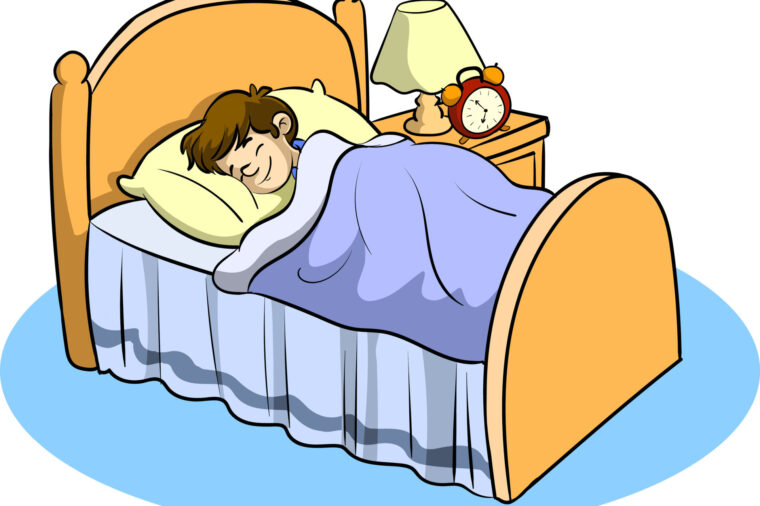
Sleep plays a major role in how the body functions the next day. A good night’s sleep helps the body repair muscles, regulate hormones, and restore energy levels. In contrast, poor sleep can negatively affect physical performance, increase fatigue, slow recovery, and even change physical appearance.

- Diminished performance
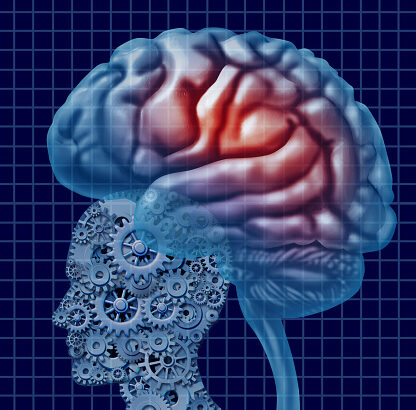
Sleep deprivation negatively affects many important brain functions needed for academic success. It reduces attention span and vigilance, making it harder to focus during lectures, reading, and assignments because the prefrontal cortex is especially affected by lack of sleep. (1) Working memory also weakens, causing difficulties with problem-solving, following instructions, and critical thinking. Decision-making becomes more impulsive and less rational, while executive functions such as planning, organization, and time management decline. (1) Sleep is also essential for memory consolidation, so insufficient sleep makes it harder to retain and recall information learned during the day. In addition, lack of sleep disrupts emotional regulation, increasing irritability, anxiety, and depression, which can further harm concentration and academic performance.(1)

2. Elevated risk of injury
Insufficient sleep weakens physical performance and increases the risk of injury. Sleep loss disrupts communication between the brain and muscles, leading to poorer coordination, balance, and increased clumsiness. (2) It also reduces endurance, strength, and power output, causing faster fatigue during physical activity. As muscles tire more quickly, technique and form often worsen, which can lead to injuries. In addition, fine motor control declines, making small mistakes more likely when using tools, machinery, or sensitive equipment.(5)

3. Effect on physical appearance
Sleep plays a major role in skin and hair health. Lack of sleep quickly causes puffiness, dark circles, dullness, and dehydration, especially around the eyes where the skin is thinner and blood vessels are more visible.(3) During deep sleep, the body repairs skin damage and produces collagen through growth hormone release, so sleep deprivation weakens the skin barrier, reduces elasticity, and makes the skin look tired and dry. Chronic poor sleep can accelerate skin aging, leading to wrinkles, uneven tone, and reduced firmness due to increased cortisol levels that break down collagen and elastin. (4) Sleep also affects hair health because hair growth cycles depend on the body’s internal clock. Long-term sleep disruption may reduce hair cell regeneration and increase the risk of conditions like alopecia areata.(3) While short-term effects are often reversible with proper rest, long-term damage to skin and hair becomes harder to repair over time.
1. https://www.clrn.org/how-does-lack-of-sleep-affect-school-performance/
2. How Does Lack of Sleep Affect Risk of Injury? – Biology Insights
3. How Does Lack of Sleep Affect Your Appearance? – ScienceInsights
4. Long-Term Sleep Deprivation Face: How Chronic Lack of Rest Affects Your Appearance
5. How Does Sleep Affect Athletic Performance? | Mass General Brigham